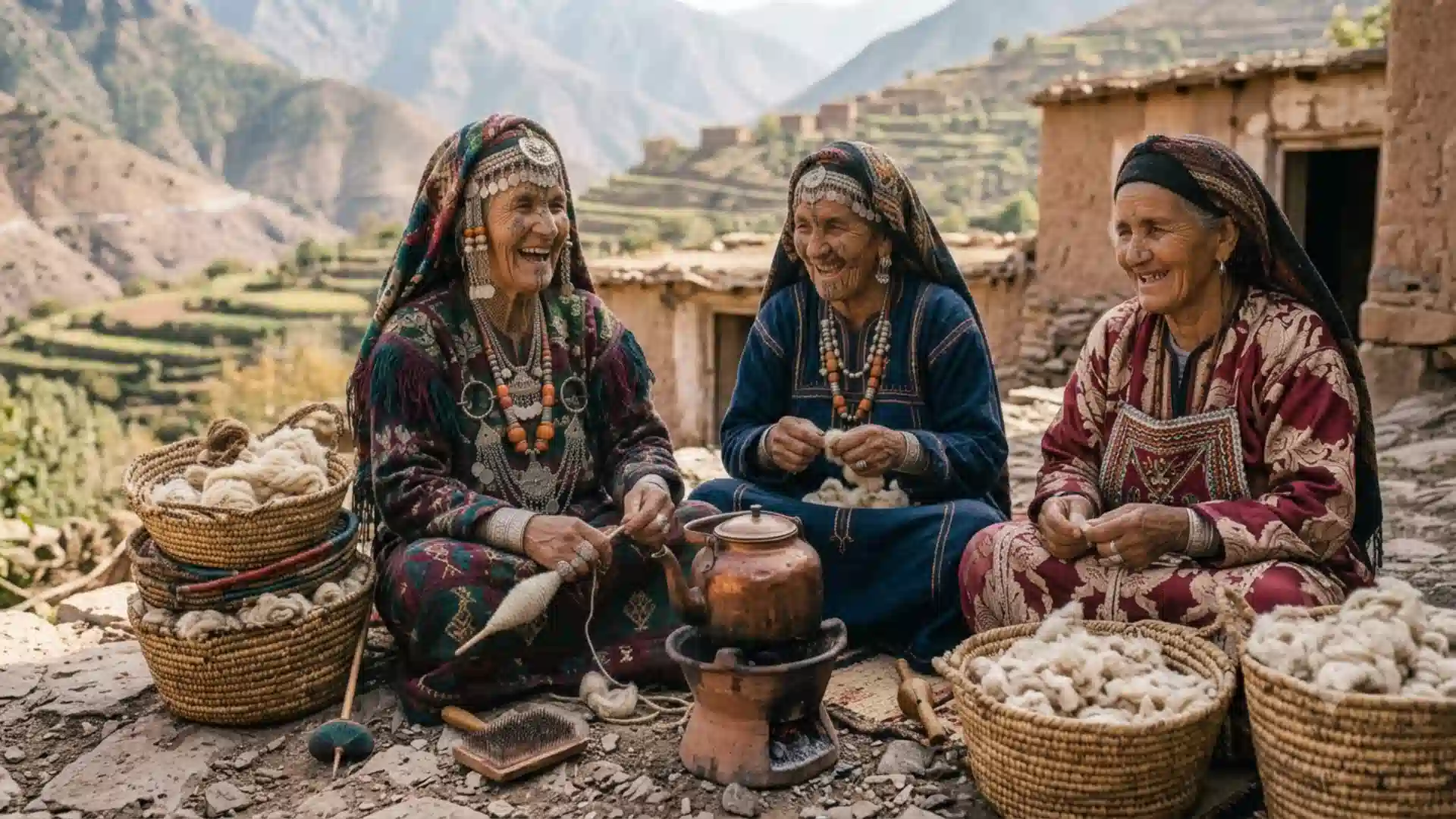
Moroccan Food Guide: 20+ Traditional Dishes You Must Try in 2026
Table of Contents
Moroccan Food Guide: Why Moroccan Cuisine Deserves Its Own Itinerary?
Any true Moroccan food guide must begin with a surprising fact for most first-time visitors: in 2020, UNESCO jointly recognized Moroccan couscous with Algeria, Mauritania, and Tunisia by inscribing it on its Representative List of the Intangible Cultural Heritage of Humanity. This formal acknowledgment signifies that Moroccan cuisine is not merely tourist fare, but a living, documented cultural heritage passed down through generations. This fact fundamentally reframes the experience of eating in Morocco: traditional Moroccan dishes-like slow-braised tagine, the ceremonial Friday couscous, and the intricate spice blends in nearly every meal-are not separate from Morocco’s history and culture; they are its most direct and accessible expressions. At Over Morocco Tours, guests consistently tell us that the food was as memorable as the dunes, kasbahs, or medinas. This guide aims to ensure you know exactly what to eat in Morocco, where to find it, and how to approach it with the right context for full appreciation.
At a Glance: The Ultimate Moroccan Food Guide Reference Table:
| Section | Key Highlight & Cultural Context | Must-Try Dishes / Elements |
|---|---|---|
| The Cultural Foundation | Inscribed by UNESCO in 2020 as Intangible Cultural Heritage; reflects history and community rather than just tourist fare. | Traditional slow-braised tagines, ceremonial Friday couscous, complex spice blends. |
| The Two Pillars | Tagine: Slow-cooked for 1–3 hours in a clay vessel designed to trap steam.
Couscous: A multi-steamed Friday ritual eaten communally after midday prayers. |
|
| Moroccan Street Food | Highly authentic, budget-friendly, and safe when choosing high-turnover stalls where locals queue. | Brochettes (skewers), maakouda (potato fritters), fried sardines, shawarma, msemen, and sfenj (doughnuts). |
| Sweets & Pastries | Celebrates a unique sweet-savory duality, typically enjoyed with mint tea. | Pastilla (flaky pigeon/chicken pastry), chebakia (honey-soaked Ramadan pastry), and kaab el ghazal (gazelle horns). |
| The Tea Ritual | “Moroccan Mint Tea” is a vital social grace; poured from a height to aerate and create a signature foam layer. | Green gunpowder tea, fresh spearmint leaves, and a generous amount of sugar. |
| Spices & Aromatics | Built on complex blends rather than single spices; olive oil and smen (aged butter) form the primary fat bases. | Ras el hanout (“head of the shop” blend), cumin, ginger, cinnamon, and authentic Taliouine saffron. |
| Vegetarian Options | Surprisingly abundant and deeply traditional, not just modern additions for tourists. | Zaalouk (smoky aubergine), taktouka (bell pepper salad), vegetable tagines, and bissara (fava bean soup). |
| Moroccan Breakfast | Lighter, pastry-and-bread-focused meals paired with fresh juices and hot drinks. | Msemen, harcha (semolina bread), baghrir (thousand-hole pancakes), and amlou (argan oil, almond, and honey spread). |
| Sahara Desert Dining | Characterized by traditional campfire cooking under the stars and distinct nomadic traditions. | Warming harira soup, campfire-cooked tagines, and madfouna (Berber pizza baked directly in the embers). |
| Regional Highlights | Marrakech: Famous for vibrant rooftop dining and night markets.
Fes: Celebrated for refined, elite, home-style culinary history. |
Fassi-style pastilla in Fes; fresh oysters and coastal seafood in Oualidia. |
| Dining Etiquette | Food is traditionally eaten from a communal central dish using the right hand and a piece of bread.
Always accept a host’s first offer of mint tea as a sign of respect and cultural fluency. |
Cultural guidelines (No specific menu items). |
The Two Pillars of Moroccan Cuisine: Tagine and Couscous
Moroccan Tagine Guide: Understanding the National Icon
No Moroccan food guide is complete without a thorough explanation of the tagine. It is the dish most internationally associated with the country and, for many travelers, their first genuinely Moroccan meal.
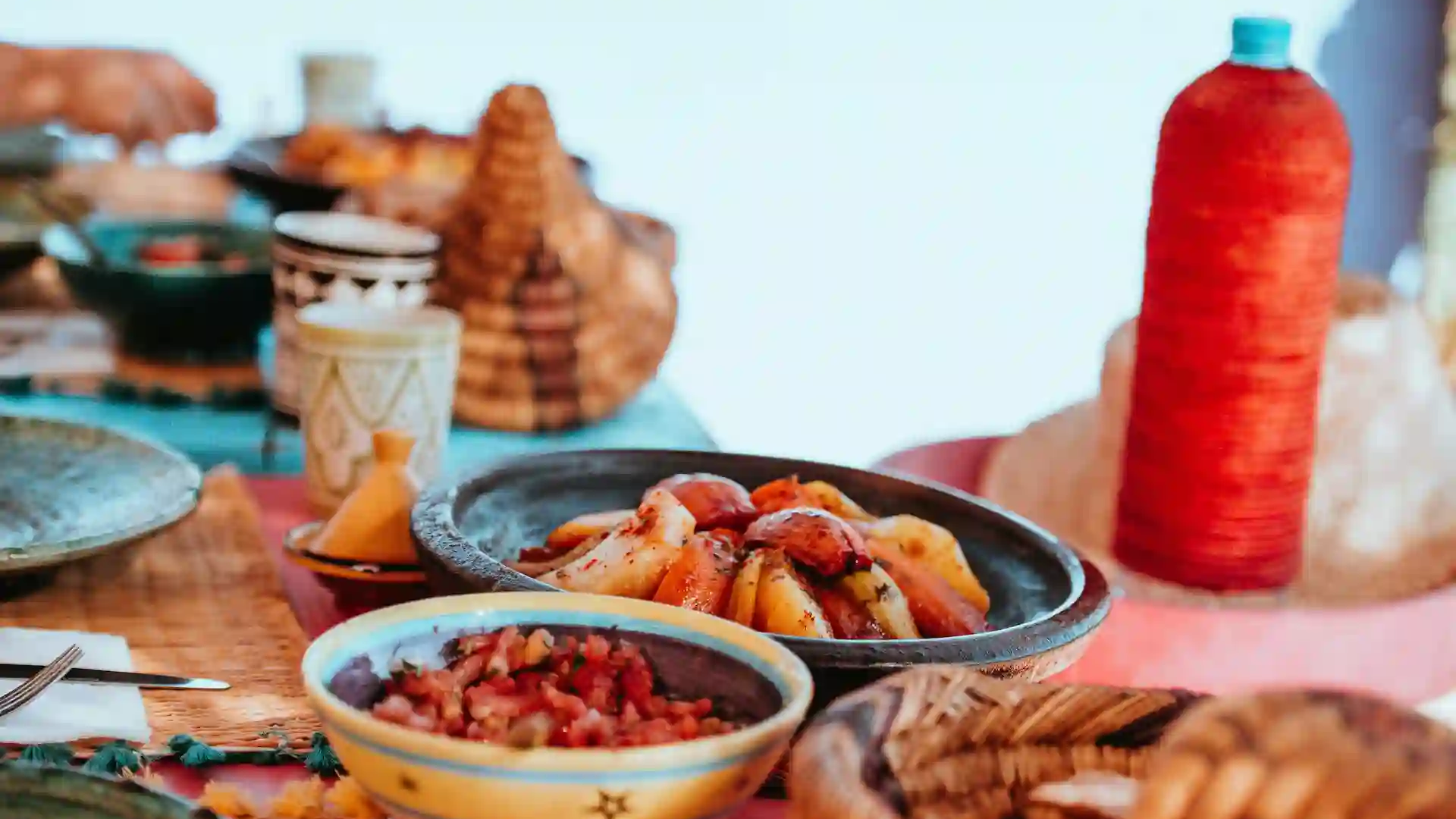
The word “tagine” refers to both the culinary creation and the distinctive clay vessel it is cooked in. This vessel features a wide, shallow base topped with a tall, cone-shaped lid, specifically designed to trap rising steam and condensation. This process channels moisture back onto the food, creating a slow, self-basting braise that requires minimal added liquid and yields exceptionally tender results.
A proper Moroccan tagine guide must emphasize that this is fundamentally a slow-cooking method, not a fast one. A true tagine simmers gently for one to three hours, which is precisely why the rapid 15-minute versions sometimes served to hurried tourists rarely match the depth of flavor found in a home kitchen or a patient riad.
The defining seasoning for most tagines is ras el hanout (Arabic for “head of the shop”), referring to a spice merchant’s finest blend. This complex mixture commonly includes cumin, ginger, cinnamon, turmeric, and a range of warming spices, with the precise recipe varying significantly among spice sellers and families. Built on this spice foundation, the most iconic tagine variations include:
- Chicken tagine with preserved lemon and olives: Featuring briny, citrus-forward lemons (cured for weeks in salt) paired with green or purple olives, garlic, and saffron.
- Lamb tagine with prunes and almonds: A celebrated example of Morocco’s distinctive sweet-savory culinary tradition, where dried fruit softens into the braise alongside warming spices.
- Beef or lamb tagine with seasonal vegetables: A simpler, everyday preparation found in nearly every home kitchen and family-run restaurant across the country.
Read Also: Want to taste these authentic flavors across the entire country? Check out our ultimate 14 Day Grand Morocco Itinerary from Casablanca to plan your perfect cross-country culinary and cultural adventure.
Moroccan Couscous Friday Meal: A Weekly Ritual
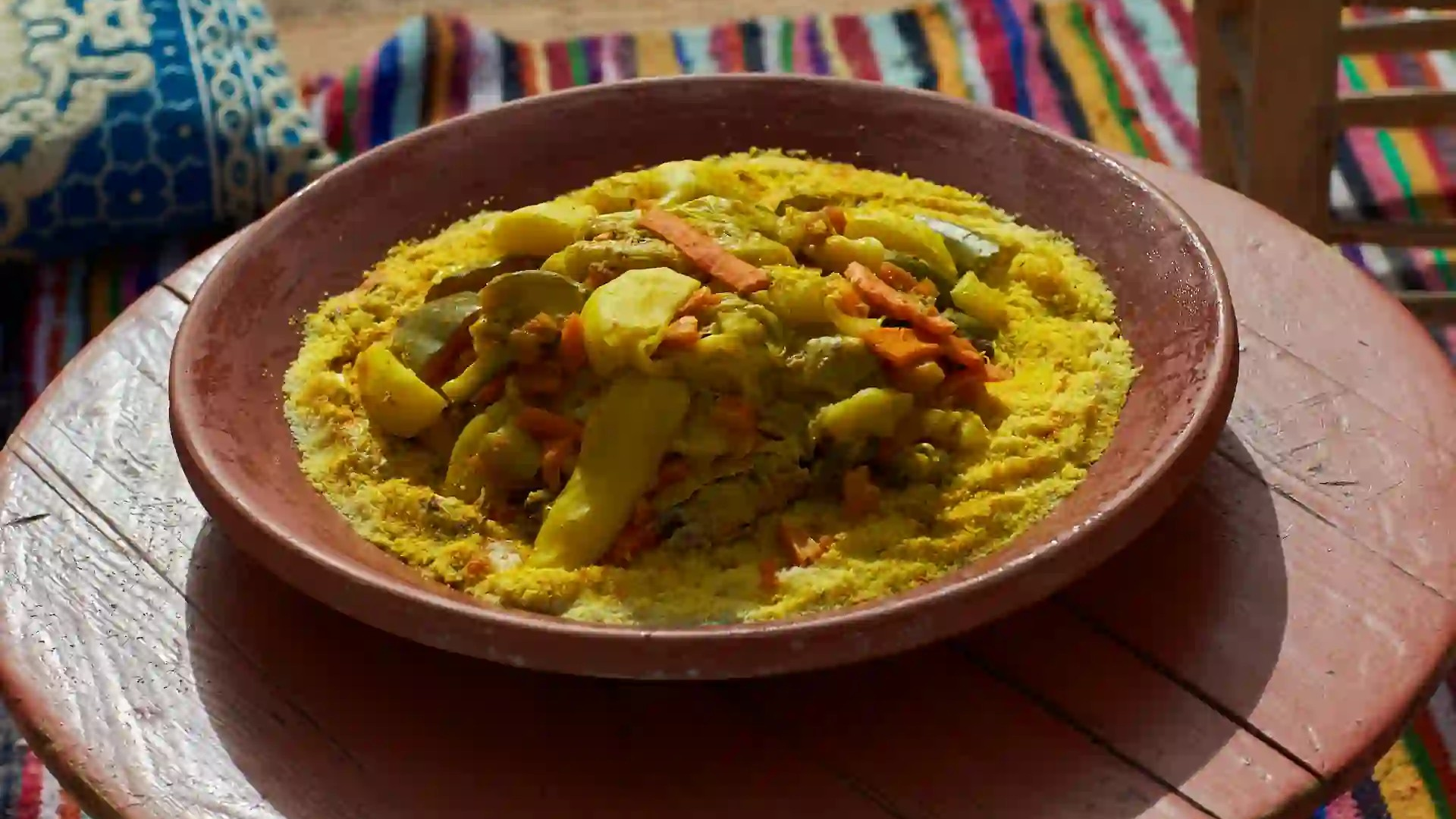
The Moroccan couscous Friday meal tradition is one of the most culturally significant food customs in the country. Understanding it transforms couscous from a familiar pantry staple into something with genuine ritual weight. At the end, Couscous is made up at every occasion, such as during wedding ceremonies and at any Family happy days.
Moroccan Street Food: The Most Authentic Way to Eat
Is Street Food Safe in Morocco? The Honest Answer
“Is street food safe in Morocco?” is one of the most common questions we receive from first-time visitors. The honest, practical answer is reassuring: yes, in the vast majority of tourist-frequented areas, provided you apply the same basic judgment you would anywhere. Look for stalls with high turnover and visible queues of local customers, as rapid turnover means fresher ingredients and lower risk than food that has been sitting prepared for hours. Moroccan street food is generally fresh, prepared quickly to order, and represents some of the best value and most authentic flavor available anywhere in the country. The fact that it is cooked at high heat, in full view, immediately before serving further reduces typical food-safety concerns compared to pre-prepared dishes sitting at ambient temperature.
What to Eat in Morocco: The Essential Moroccan Street Food List
The single most iconic street food destination in the country is Djemaa el-Fna in Marrakech, where, particularly in the evening, dozens of food stalls transform the main square into one of the most vibrant open-air dining experiences anywhere in the world. Essential dishes to seek out across Morocco’s street food scene include brochettes-skewers of grilled chicken, lamb, or beef, seasoned and cooked over open coals, typically served with bread, salad, and fries; maakouda, a thick, crisp fried potato fritter often stuffed into a sandwich for a portable lunch; fried sardines, a coastal favorite particularly associated with cities like Essaouira and Safi; and cones of cumin-dusted roasted chickpeas, sold by weight from street carts and a genuinely addictive snack once you start.
For something heartier, shawarma, Morocco’s own take on the wider Middle Eastern tradition, with marinated meat piled into warm bread alongside hummus and fresh vegetables, is widely available and consistently excellent. Msemen, a flaky, square-folded griddled flatbread often served plain, with honey, or stuffed with savory fillings, makes for both a popular breakfast item and an evening street food snack, while sfenj-Morocco’s version of a doughnut, deep-fried and unsweetened until rolled in sugar-is a beloved early-morning treat best eaten hot and fresh from the fryer, exactly as locals do.
Moroccan Sweets and Pastries: The Sweet Side of the Cuisine Moroccan Food Guide
Moroccan sweets and pastries embody the sweet-savory duality that defines much of the country’s culinary tradition, warranting dedicated attention beyond the savory main dishes typically highlighted in guidebooks. Pastilla-also spelled bastilla-stands as one of the most distinctive dishes in Moroccan cuisine: a flaky, golden filo-style pastry traditionally filled with pigeon or chicken, almonds, and a fragrant blend of cinnamon and sugar. Dusted with powdered sugar and additional cinnamon, it creates an extraordinary, genre-defying combination of savory filling and sweet exterior that perfectly exemplifies the Moroccan culinary palate.
Chebakia, a sesame-and-honey pastry intricately coiled into a flower-like shape, is deep-fried and then soaked in warm honey. While most strongly associated with Ramadan, it remains available and worth seeking out year-round. Morocco’s pastry tradition further extends to treats like kaab el ghazal (“gazelle horns”)-crescent-shaped pastries filled with almond paste and orange blossom water-and an extensive range of honey-soaked, nut-filled sweets. These are typically sold by weight in dedicated pastry shops rather than restaurants, intended to be sampled in small quantities alongside a glass of mint tea rather than consumed as a standalone dessert course.
Moroccan Mint Tea: The Ritual Behind the Drink
No Moroccan food guide is complete without proper attention to Moroccan mint tea, which functions less as a simple beverage and more as a fundamental social ritual woven into nearly every interaction across the country. It is offered to guests in homes, served between courses in restaurants, and is central to virtually every business negotiation in the souks. The tea itself combines green tea (traditionally gunpowder tea), fresh spearmint leaves, and a notably generous quantity of sugar. It is traditionally poured from a height into small, ornate glasses-a technique that both aerates the tea and creates the characteristic thin layer of foam considered a mark of a well-prepared pour. Declining a first offer of mint tea in a Moroccan home or shop can register as mildly impolite; accepting, even a small symbolic glass, is the more culturally fluent choice and frequently opens the door to warmer, more genuine interactions with hosts and shopkeepers alike.
Moroccan Spices: Ras el Hanout and the Building Blocks of Flavour
Moroccan spice blend ras el hanout sits at the centre of the country’s flavour identity, but it represents only the most famous of a broader spice tradition built on blends rather than single seasonings used in isolation. Cumin stands as the most consistently used spice across Moroccan cooking, followed closely by cinnamon, ginger, and mild chillies, with smaller, more occasional roles played by coriander, turmeric, clove, paprika, and saffron – the latter sourced predominantly from the Taliouine region in the Anti-Atlas mountains, one of the few areas in the world with the specific high-altitude growing conditions saffron requires. Olive oil serves as the predominant cooking fat throughout Moroccan kitchens, though smen – a distinctive fermented, aged butter – appears in many traditional recipes to add a deeper, more pungent layer of richness, particularly in slow-cooked dishes and pastries. A small jar of good-quality ras el hanout or a tin of genuine Taliouine saffron remains one of the most popular and practical food souvenirs travellers bring home from Morocco.
Vegetarian Food in Morocco: More Options Than Visitors Expect
The availability of vegetarian food in Morocco genuinely surprises most travellers who arrive expecting a meat-heavy cuisine with few alternatives. In practice, plant-based Moroccan dishes are abundant, flavourful, and deeply traditional rather than modern accommodations bolted on for tourists. Zaalouk, a smoky, garlicky cooked aubergine and tomato salad, and taktouka, a similar preparation built on roasted peppers and tomatoes, both appear as standard starters across the country. Vegetable tagines – built on seasonal produce like carrots, turnips, courgette, and potato in the same warming spice base used for meat versions – are widely available, as is couscous served with seven vegetables, a particularly festive and generous preparation traditionally associated with celebratory meals. Bissara, a thick, warming dried fava bean soup typically drizzled with olive oil, cumin, and chilli, is a beloved everyday breakfast or light meal, especially during colder months.
One practical note for vegetarian travellers: in larger cities and tourist-oriented restaurants, vegetarian dishes are reliably prepared without meat or meat stock. In smaller towns and more traditional family-run establishments, it is worth confirming directly, since meat or chicken broth occasionally forms an unlisted base for otherwise vegetable-forward dishes – a quick clarifying question before ordering resolves this easily.
Moroccan Breakfast Food: Starting the Day Right
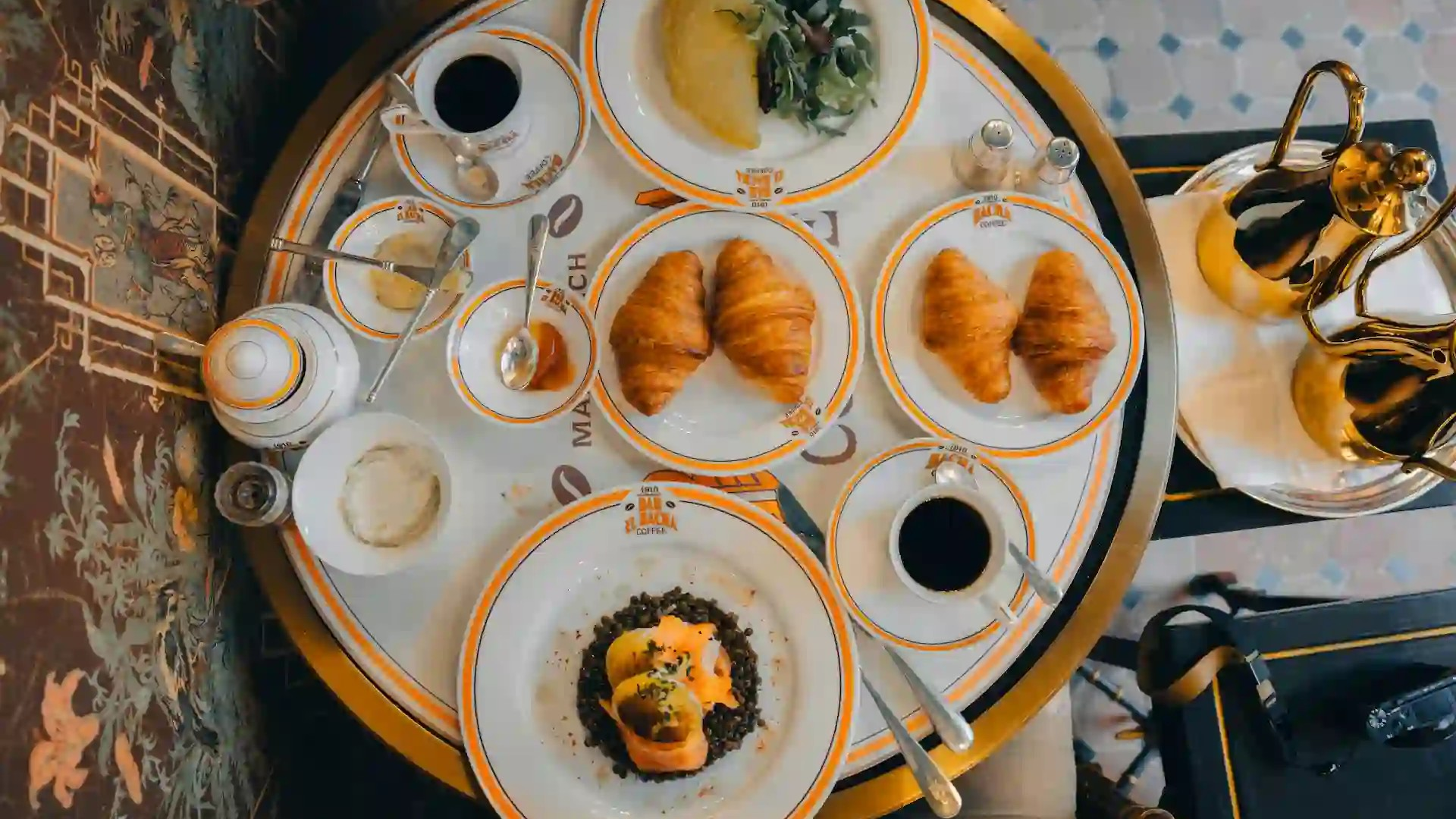
Moroccan breakfast food differs meaningfully from the heavier main meals of the day, leaning toward bread, pastry, and warming drinks rather than savoury cooked dishes. Msemen and harcha (a dense, slightly crumbly semolina griddle bread with a distinctive cornmeal-like texture) appear on breakfast tables across the country, typically served with honey, olive oil, or amlou – a rich spread made from ground almonds, argan oil, and honey, produced predominantly by women’s cooperatives in the Souss-Massa region. Baghrir, sometimes called “thousand-hole pancake” for its distinctive spongy, bubble-pocked surface, is another breakfast favourite, usually drizzled generously with honey and melted butter. A riad breakfast typically rounds out these items with fresh orange juice, Moroccan mint tea or coffee, and a selection of jams, making it one of the most consistently enjoyable meals of any Morocco itinerary.
Moroccan Food Guide in the Sahara Desert: What to Expect on a Desert Tour
Moroccan food guide in the Sahara Desert possesses a distinct character, shaped by the practicalities of camp cooking and the specific culinary traditions of the pre-Saharan and Berber communities around Merzouga. A standard evening meal at an Over Morocco Tours desert camp typically begins with harira, the rich, warming tomato-and-lentil-based soup found throughout Morocco. This is followed by a tagine or couscous main course, prepared over a traditional charcoal fire just outside the dining tent. The slow cooking method is particularly well-suited to the desert camp setting, allowing the meal to simmer gently while guests watch the sunset over the dunes. Fresh bread, baked daily, accompanies every meal. Dinner concludes with fresh fruit and the inevitable round of Moroccan mint tea around the campfire, often accompanied by live Gnawa music performed by local Merzouga musicians.
One distinctly regional specialty worth seeking out in the pre-Saharan south is madfouna-sometimes called “Berber pizza.” This filled flatbread is traditionally stuffed with spiced minced meat, onion, and herbs, then baked directly in the embers of a sand or charcoal fire. This preparation method is closely tied to the nomadic culinary traditions of the desert regions. Guests on our Merzouga tours who specifically request it can often arrange to try madfouna as part of their desert camp dining experience.
Best Moroccan Dishes: Marrakech and Fes City by City Highlights
Comparisons of the best Moroccan dishes in Marrakech and Fes reveal genuine regional differences worth knowing before you travel. Marrakech is particularly renowned for its rooftop dining scene, where classic tagines and grilled meats are served alongside sweeping views over the medina’s rooftops and the Koutoubia minaret. The Djemaa el-Fna evening food stalls remain an essential, unmissable experience in their own right. Fes, meanwhile, is widely regarded by food-focused travelers as having the most refined and historically rooted home-style cooking in the country, reflecting the city’s centuries-long role as Morocco’s center of scholarship and elite culture. Pastilla, in particular, is closely associated with Fassi (Fes-style) culinary tradition, and the city’s family-run riads frequently serve some of the most accomplished versions of the dish available anywhere in Morocco.
Beyond the two best-known imperial cities, certain dishes are tied closely to specific regions. The coastal town of Oualidia, north of Essaouira, is celebrated specifically for its oysters and broader seafood tradition-a noteworthy departure from the inland, meat-and-vegetable-forward cuisine found across most of the country.
Moroccan Food Guide Etiquette: How to Eat Like a Local
Moroccan food etiquette carries a handful of customs worth knowing in advance, particularly for travellers eating in traditional or family-run settings rather than international-style restaurants. Meals, especially tagine and couscous, are traditionally eaten from a single shared, communal dish placed at the centre of the table, with diners eating from the section of the dish directly in front of them rather than reaching across. In more traditional settings, food is eaten using the right hand, often scooped with a piece of bread rather than utensils – though cutlery is universally provided in restaurants and riads catering to tourists, and using it carries no social cost whatsoever. Bread itself holds particular significance and is rarely wasted; it typically accompanies every meal and frequently serves as the primary eating utensil for sauces and stews.
On the subject of alcohol: it is available in licensed restaurants, hotels, and larger supermarkets (such as Carrefour, Marjane, and Acima) to those of legal age, but it is generally absent from medina restaurants and family-run cafés, and public drinking is not part of Moroccan social norms. This pattern intensifies during Ramadan, when alcohol service becomes further restricted to specific licensed venues serving non-Muslim guests (see our full Ramadan travel guide for details).
Important Tip from Our Guide Team: The Meal Most Tourists Miss
“Most visitors eat tagine and couscous and think they’ve experienced Moroccan food properly, and they have, but they’re missing half the picture. The meal we always try to arrange for guests, if there’s time in the itinerary, is a proper Friday couscous lunch with a local family, ideally outside the main cities. It’s a completely different experience from a restaurant tagine – slower, more generous, and you understand immediately why couscous on a Friday is treated so differently from couscous on any other day.
The other thing I always tell guests: don’t be afraid of the small street stalls just because they look basic. Some of the best food we’ve eaten on tour came from a stall with three plastic chairs and no sign, run by someone who has been making the same brochettes for twenty years. Follow the locals, not the restaurants with the biggest English-language menu outside – that’s usually the opposite of where the best food is.”
Over Morocco Tours Guide Team
Frequently Asked Questions: Moroccan Food Guide
What is the national dish of Morocco?
Couscous is widely considered Morocco’s national dish, traditionally eaten on Fridays following midday prayers as a social and religious custom. In 2020, UNESCO inscribed Moroccan couscous on its Representative List of the Intangible Cultural Heritage of Humanity, recognising it jointly with Algeria, Mauritania, and Tunisia.
What is the difference between tagine and couscous?
Tagine refers to a slow-braised stew cooked in a distinctive clay pot with a cone-shaped lid that traps steam to tenderise meat or vegetables over one to three hours. Couscous refers to tiny steamed semolina granules, traditionally served as a base topped with vegetables, legumes, or meat, and is particularly associated with the Friday family meal.
Is street food safe to eat in Morocco?
Yes, in the vast majority of tourist-frequented areas. The key safety indicators are high customer turnover and stalls where locals are visibly eating, since this signals fresh ingredients and food cooked to order rather than sitting prepared for extended periods. Most travellers eat street food throughout their Morocco trip without issue.
Is Moroccan food Guide vegetarian-friendly?
Yes, more than most visitors expect. Dishes such as zaalouk (aubergine salad), taktouka (pepper-tomato salad), vegetable tagines, couscous with seven vegetables, and bissara (fava bean soup) are traditional, widely available, and naturally meat-free. In smaller towns, it is worth confirming that meat broth has not been used as an unlisted base.
What should I eat for breakfast in Morocco?
Traditional Moroccan breakfast food items include msemen and harcha (griddled flatbreads), baghrir (“thousand-hole pancake”), and amlou (an almond, argan oil, and honey spread), typically served with Moroccan mint tea or coffee and fresh orange juice.
What food can I expect on a Morocco desert tour?
Desert camp meals in Merzouga typically open with harira soup, followed by a tagine or couscous main course cooked over an open charcoal fire, fresh bread, and Moroccan mint tea around the campfire. Madfouna, a Berber flatbread baked in embers, is a regional speciality available on some desert tours by request.
Is alcohol available with Moroccan food?
Alcohol is available in licensed restaurants, hotels, and larger supermarkets to those of legal age, but is typically absent from medina restaurants and family-run cafés, and public drinking is not part of Moroccan social norms. Availability is further restricted during Ramadan.
Taste Morocco for Yourself with Moroccan Food Guide:
Reading about traditional Moroccan dishes is one thing; eating them in a riad courtyard, a desert camp under the stars, or alongside a Berber family on a Friday afternoon is another entirely. Over Morocco Tours builds genuine culinary moments into every itinerary, from rooftop tagines in Marrakech to campfire dinners in Erg Chebbi. Contact our team today to start planning a Morocco trip where the food is as much a part of the journey as the landscapes.
Written by the Over Morocco Tours team, Morocco. Our guides and partner riads have shared traditional Moroccan meals and secrets for generations, and we cannot wait to share them with you. Bon appétit—or as we say in Morocco, Besaha!