
Moroccan Cuisine Culture – Best Recipes In Morocco
Table of Contents
Moroccan Cuisine Culture: The Ultimate 2026 Guide to Authentic Recipes and Food Safety:
Are you uncertain what foods should be on your plate in Morocco? The gastronomy of Morocco is one of the most famous in the world, with a taste for fragrant herbs such as saffron and cumin, slow-cooked tagines, and dining styles that include communal dining sessions. According to research, in the year 2026, the experience of tasting authentic dishes will be the main factor driving tourism in Morocco.
We, the proprietors of our company, know the beauty and culture of Morocco, as we have been providing tour services to visitors from all over the globe, from the vibrant souks of Marrakech to the serene deserts of Merzouga.
1. What is the most famous food and best recipes in Morocco?
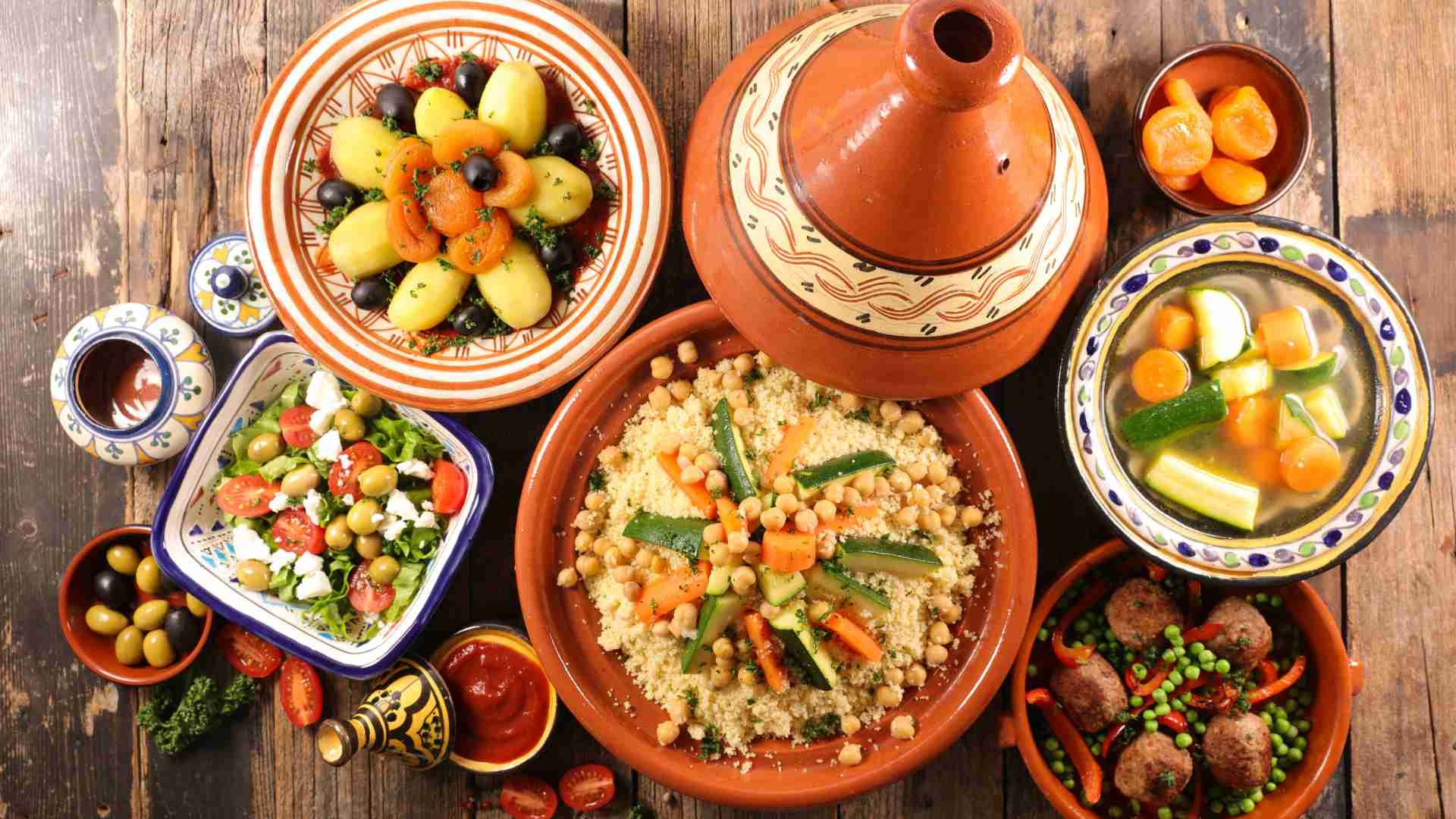
A tagine, whose name comes from the cone-shaped earthenware dish used for its preparation, is perhaps the best-known cuisine in Morocco. In essence, a tagine is a rich stew made up of succulent meat (usually lamb, chicken, or fish), seasonal vegetables, dried fruits such as apricots and prunes, along with distinct spices like ginger, turmeric, and cinnamon.
How to Make an Authentic Tagine:
Through our tours in Morocco, our guests often ask for the “secret” to the perfect tagine. The secret is patience and the quality of the olive oil.
Ingredients You’ll Need:
Protein: 500 grams of cubed lamb/beef or whole chicken cuts.
Aromatics: 1 large onion (shredded), 3 cloves of garlic (minced).
Spices: 1 teaspoon ginger, 1 teaspoon turmeric, 1/2 teaspoon cinnamon, salt, and black pepper.
Sweets and Salt: 1/2 cup dried apricots, 1/4 cup roasted almonds.
Liquid: 250 ml of vegetable or beef broth
The local way:
Base: Start by heating 3 tablespoons of Moroccan olive oil in the tagine pan with the heat on medium. The onion and garlic must be sautéed till they become translucent.
Sear: Proceed to brown the meat. This will seal the juices.
Spices: Add the spices, making sure that the meat is well coated.
Slow Cook: Pour in the stock and tomatoes. Reduce the heat to low and cover. Allow it to cook for at least 60-90 minutes.
Finish: Put in the apricots and almonds during the last 15 minutes of cooking time. Top it with some chopped parsley when ready to serve with Khobz.
2. Why is Couscous eaten in Morocco? Friday Couscous tradition:
The national dish of Morocco is called couscous (kuskus). In Islam, it is customary to serve this dish on Fridays because of its traditional collective manner of serving. After the Friday prayers, people come together at a large common table and enjoy semolina grains that are served with a stew made of seven vegetables.
How to Cook Fluffy Moroccan Couscous at Home?
Most visitors have problems cooking couscous that’s not “clumpy.” For you to get the fluffy and light couscous we offer on our tours:
Toasting: Do not add any water before toasting the semolina grains. Toast the dry semolina in a pan with a few drops of extra virgin olive oil until golden.
Steam Cooking: Our Moroccan couscous should never be cooked using boiling water. The couscous is steamed for three rounds in the traditional Couscoussier while the vegetables are being simmered.
Fluffing: Mix the grains using a fork after 10 minutes for it to be fluffy.
3. What is Harira Soup and when is it served?
Harira is an amazing soup of Morocco, prepared with tomatoes, chickpeas, lentils, and vermicelli. Although this delicious food is available all year round at any Moroccan restaurant, it is particularly popular for breaking the fasting period during the holy month of Ramadan.
Reason why you will love it: It has its special ingredient known as “Tedouira” (made up of flour and water), which makes the soup very creamy in taste and appearance.
4. Local Specialties: What to Eat in Morocco, Marrakech street food, Fes, and Merzouga:
To truly experience Moroccan cuisine culture, you must eat regionally. Each city we visit on our tours has a “signature” dish.
Marrakech: The Authentic Tanjia Marrakchia
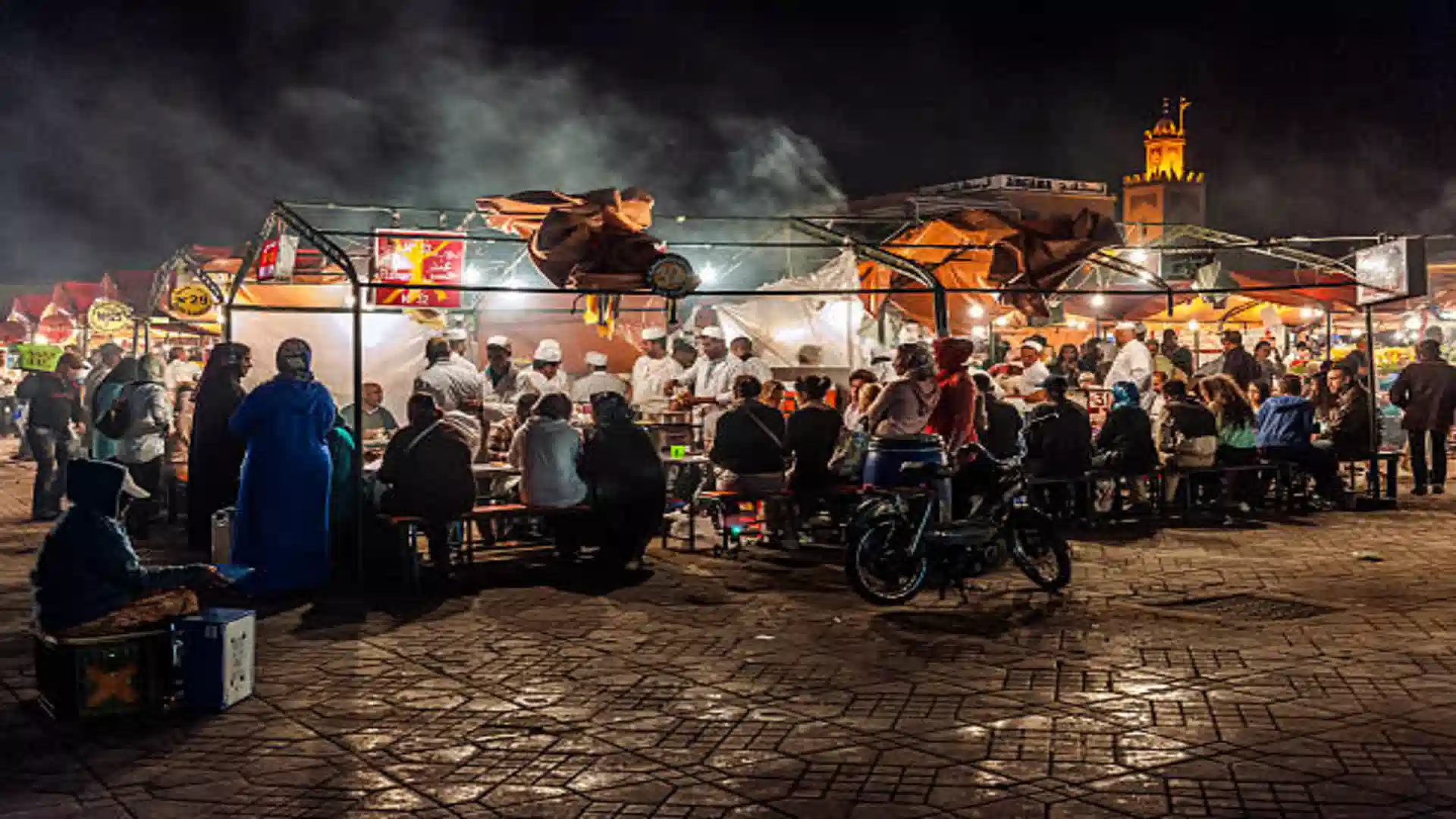
The most popular dish of street food in Marrakech is tanjia. In contrast to tagine, it is prepared in a tall earthenware pot and buried in hot ashes for six hours inside a local hammam oven.
Fes: The Royal Chicken Pastilla
Fes is the city of food. In Fes, you have to eat Pastilla, which is a sweet and savory puff pastry stuffed with chicken marinated in saffron, crushed almonds, and sprinkled with powdered sugar and cinnamon.
Merzouga: Madfouna (Berber Pizza) Authentic Moroccan culinary traditions
During your tour in the Sahara Desert with us, we will acquaint you with a dish called Madfouna. It is a deep-fried flatbread stuffed with minced meat and herbs, made by the nomadic Berber tribes in a sand oven.
The Secret Staples: Rfissa, Pastilla, and Tanjia:
While almost all tourists may be familiar with the dish Tagine, for us Moroccans, there is another food culture that comes alive when we feast on our special meals.
Rfissa: The Perfect Comfort FoodRfissa is a traditional meal from Morocco that has been prepared to welcome any kind of celebration such as birth. This Moroccan dish can also be consumed during cold seasons like winter, made from Msemen or Trid that are immersed in a mixture of chicken, lentils, and fenugreek.
Professional Opinion: As the “hug in a bowl,” Ras el Hanout is said to have therapeutic effects.
Fes Pastilla: A Royal Sweet-Savory Blend
Native to the spiritually rich city of Fez, B’stilla or Pastilla is a fine example of culinary excellence from Morocco. The dish is made using a paper-thin crisp pastry which has been stuffed with saffron-flavored chicken (pigeon meat traditionally), along with caramelized onions and crushed roasted almonds.
The Contrast: It comes sprinkled with sugar and cinnamon, making its taste distinctively Fes
Marrakech Tanjia: The “Bachelor’s Dish”
The Tanjia Marrakchia is an institution in the city of Marrakesh. The difference between the Tanjia and the tagine lies in the way the latter is prepared, as it is prepared inside an earthenware jar, while not being placed inside the oven or cooking vessel like a normal dish but rather in the ashes outside of it.
The Pillars of the Spice Souk A Hidden Gem of Moroccan Cuisine Culture:
Spices are the engine of our Moroccan cuisine culture. No spices mean no Morocco.
- Ras el Hanout (Head of the Shop): This is an elaborate mixture of 25-30 spices, including mace, galangal, and cardamom. Each of the spice sellers in Medina has its own unique recipe for “Golden Camel.”
- Saffron (Red Gold): Morocco’s South region, Taliouine, is one of the best sources for saffron in the world. During our tour, we will show you how to choose saffron by mixing it with water, which must become yellow, but not red.
- Smen (preserved butter): It is Morocco’s umami secret ingredient. Fermented and stored in clay jars for years, smen adds that distinct cheese flavor to harira and couscous.
The Tea Ritual: More Than Just a Drink:
In Morocco, we call mint tea “Berber Whiskey.” It is the universal sign of hospitality.
For one to be considered a proper host, the tea should be poured at great heights above the cup. This is not for purposes of showing off, but rather, the height produces a froth known as the “reiza” or “turban,” which acts as an aerator to the tea and pays homage to the guest.
Summer Season vs. Winter Season: During the summer season, we use Nana mint, while during the winter season, Sheeba (wormwood) is used.
Regional Flavors: From the Atlantic to the Sahara
Geography dictates the menu in Morocco.
The Coastal Catch (Essaouira & Agadir)
Chermoula reigns supreme in the coastal regions. Chermoula is a mixture of garlic, coriander, cumin, and lemon that is used to season sardines cooked straight off the beach.
Main Dish: Tomato sauce-covered sardine balls.
Mountain & Desert Diet (Atlas & Merzouga)
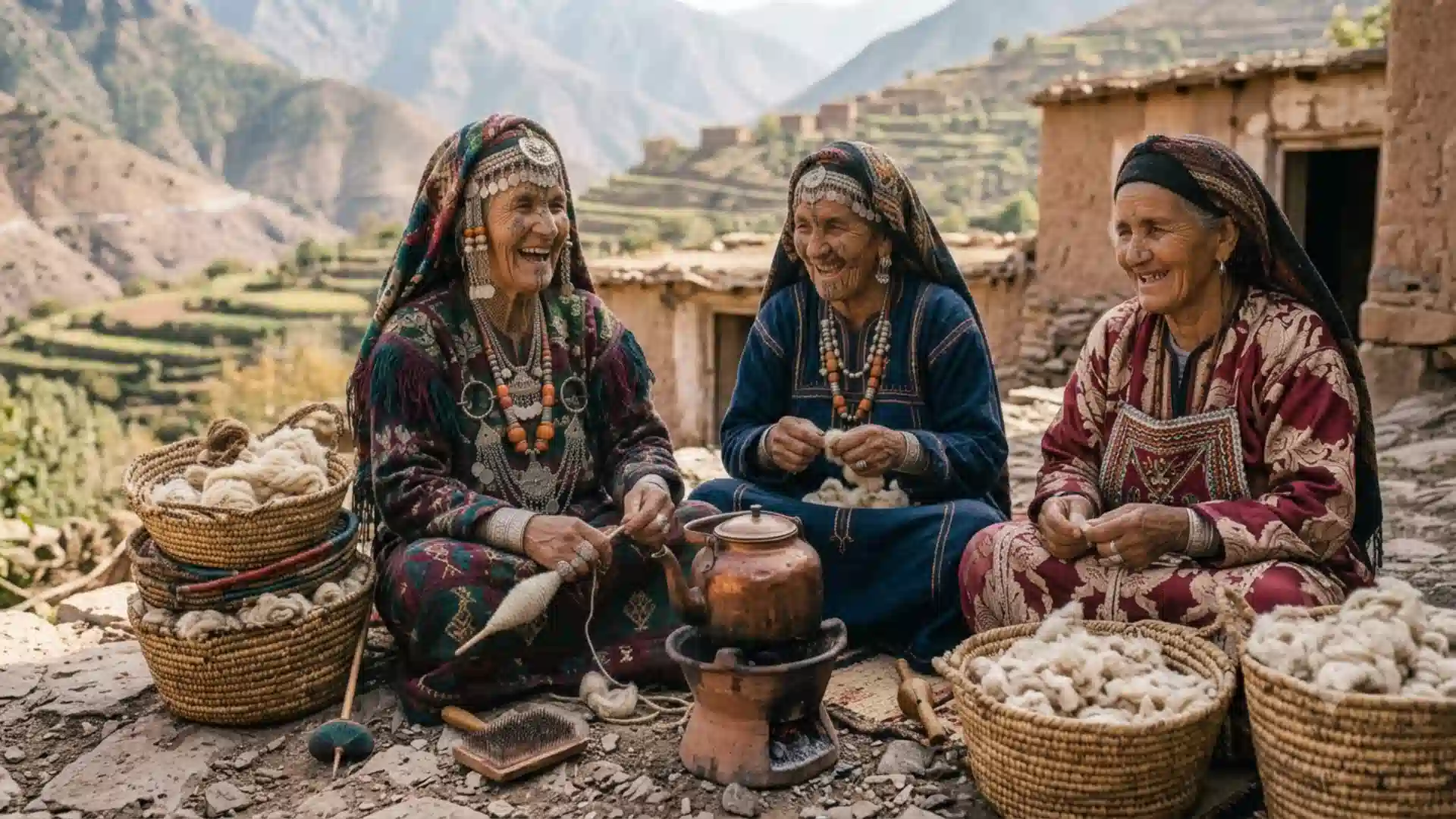
In high elevations, the Berber diet includes energy-rich foods such as Amlou (dip of argan oil, almonds, and honey)
A Day in the Life: How Moroccans Eat Traditional Moroccan food culture?
Breakfast (Ftour): Mostly Harcha (bread made of semolina), or Bissara (soup of cooked fava beans) with olive oil and cumin poured on top.
Lunch (Ghadan): The main meal in which families eat from a large common tagine or a plate of grilled meatballs.
Snack (Kouter): Made up of tea and sweets such as Chebakia (cookies with honey) or Briouats.
Dinner (Achaa): A simple dinner including soup or leftover tagine along with bread.
How to Shop a Moroccan Souk Like a Pro?
As a tour guide, I always advise our tourists: “The souk Aromas of Moroccan Cuisine Culture is a feast for the senses, but remain calm.”
Greeting the Seller: Always begin your conversation with “Salaam Alaikum.”
The Fifty Percent Principle: Begin your negotiation at half the original price but always maintain a cordial attitude.
The Bread Oven: Identify the communal Ferran and for a small fee, watch how the community bakes its bread.
5. Food Safety for Tourists: What Not to eat in Morocco:
In order to ensure that your stay in Morocco is pleasant, we strongly advise you to follow these safety procedures from our extensive experience in Moroccan tourism:
Do Not Drink Tap Water: Always drink bottled water. Even in 2026, the minerals in the tap water will not be easy to digest for tourists coming from abroad.
Selection of Street Food: Always select street food in places where you observe many locals dining in those restaurants. In this way, you will know that the food is always made of fresh ingredients.
Fresh Food: Do not eat any raw salad or fruits that have not been peeled. Always consume fresh fruits like prickly pears and oranges.
Seafood at Coastal Areas: If you find yourself in Casablanca or Essaouira, then there are great seafood dishes available. But avoid any seafood in the desert area like Merzouga.
6. Moroccan Dining Etiquette: How to Eat Like a Local?
For a pleasant vacation, we would suggest these safety tips based on our extensive experience in Morocco’s travel industry:
Stay Away From Tap Water: Always drink bottled water. The minerals found in the tap water of Morocco even in 2026 can be hard to tolerate for foreigners.
Street Food Choice: Try street food only when you see locals frequenting the place. It will ensure the quality of food items used there.
Fresh Vegetables and Fruits: Do not eat salads or unpeeled fruits in isolated places. Instead, opt for cooked vegetables or peeled fruits such as prickly pears or oranges.
Seafood at Coastal Areas: The seafood in Casablanca and Essaouira is renowned worldwide. But, avoid seafood in the dessert area such as Merzouga.
When you are welcomed into someone’s Moroccan house or tent out in the desert, remember these three important etiquettes:
Right Hand Etiquette: Eat using your right hand always. Traditionally speaking, the left hand is considered dirty.
Invisible Triangle Etiquette: While eating tagine from a shared plate, it is essential to consume food from the “triangle” or invisible wedge directly in front of you.
Khobz is the Utensil: Moroccans do not use any cutlery but pieces of khobz when eating tagine.
7. Frequently Asked Questions about Moroccan cuisine culture:
Is Moroccan food spicy?
No, Moroccan Cuisine cultrure has an intense aroma, but not spicy. Spices used to give flavors include cumin and ginger, while Harissa (spicy chili paste) is served separately if someone prefers spicy food.
Can I find vegetarian food in Morocco?
Yes, you can find Vegetarian Tagine or Vegetarian Couscous at most restaurants. Moreover, Bissara (fava bean soup) is one such dish that’s vegetarian-friendly.
What is the “Berber Omelette”?
It refers to Moroccan Shakshuka, which is an omelette cooked with a spicy tomato and onion sauce.
Conclusion: Start Your Culinary Journey with Moroccan Cuisine Culture:
In Moroccan Cuisine Culture, not only do we provide you with the touristic experience, but also we provide you with the experience of taste from our own culinary culture. Whether you are interested in finding the most delicious street food in Marrakesh or taking traditional Moroccan cooking classes in Fes, we have something for you.
Ready to taste the real Morocco? Book Your 2026 Food Tour Here