Ultimate Merzouga And Zagora Logistics Guide: Private 3 Days Desert Tour from Marrakech
Table of Contents
Private 3 Days Desert Tour from Marrakech: Navigating Sahara Logistics:
For travelers seeking the definitive North African adventure, a private 3 days desert tour from Marrakech stands as the absolute benchmark for experiencing the true, undulating sand dunes of the deep Sahara. The allure of the Moroccan desert is an undeniable magnetic force that draws thousands of global travelers across the dramatic ridges of the Atlas Mountains each year, all seeking that quintessential, timeless encounter with rolling fields of wind-swept sand. Yet, the geographical reality of planning successful expeditions involves navigating complex territory, vast distances, and vastly contrasting landscapes. For the discerning traveler standing at the planning crossroads, the fundamental dilemma almost always distills down to a single, critical decision: choosing between the legendary dunes of Merzouga or the rugged, rocky expanses of Zagora. Making the correct choice requires looking past superficial travel brochures and analyzing the precise infrastructure, transit realities, and experiential distinctions that define these two separate regions. Masterfully executing Morocco Sahara desert tour logistics is not merely a matter of picking a point on a map; it dictates the entire rhythm, comfort, and visual reward of your journey across the kingdom.
To properly understand the structural framework of a premium North African expedition, one must first dismantle the common misconception that the Moroccan Sahara is a uniform, easily accessible playground located just outside the imperial city gates. The topography of Morocco is fiercely guarded by the towering peaks of the High Atlas Mountains, a formidable geographic barrier that separates the bustling, semi-arid plains of Marrakech from the hyper-arid expanses of the deep south. This means that every single desert expedition is, first and foremost, a grand overland journey where transit times, road conditions, and vehicular comfort play a dominant role in the overall quality of the travel experience. By examining the precise operational distinctions of a Merzouga vs Zagora desert tour, travelers can align their personal expectations with the physical realities of the terrain, ensuring that their investment in time and resources yields the exact bucket-list journey they envision.
The primary divergence between these two desert outposts lies in their geological formations and the sheer scale of their environments. Merzouga is home to Erg Chebbi, an immense, breathtaking sea of wind-blown sand dunes that rise to staggering heights, shifting colors from pale gold to deep ochre as the sun moves across the African sky. This is the cinematic, endless horizon of sand that most travelers conjure in their imaginations when they dream of the Sahara. Zagora, conversely, features Erg Chigaga further afield, but the standard, easily accessible Zagora desert area itself is primarily a reg, a flat, stone-strewn desert pavement characterized by low, scrubby mounds and dark, volcanic horizons. While Zagora offers a raw, minimalist beauty and a historical connection as an ancient caravan outpost to Timbuktu, it does not possess the monumental, towering sand waves that make the southeastern dune networks so profoundly magical and visually overwhelming.
Book Your 3 days Desert Tour From Marrakech Now!
The Route Logistics of a Private 3 Days Desert Tour from Marrakech
The drastic difference in terrain is directly tied to the temporal investment required to reach each destination from the primary departure hubs. A journey to the rocky expanses of Zagora can be achieved in a shorter timeframe, making it a common choice for time-constrained travelers who only have a brief window to spare. The drive from Marrakech to Zagora spans roughly three hundred and sixty kilometers and can be completed in approximately seven to eight hours of direct driving, allowing for a condensed two-day, one-night itinerary. However, this condensed timeline comes at a steep physical cost, forcing travelers to spend the vast majority of their daylight hours confined to a vehicle, rushing past world-class mountain scenery and ancient heritage sites without the time to truly immerse themselves in the local culture. It provides a brief taste of the desert fringe, but it ultimately sacrifices the deep, meditative isolation and visual grandeur that characterizes the true interior of the Sahara.
Choosing a private 3 days desert tour from Marrakech dedicated to Merzouga completely transforms the travel dynamic, unlocking a leisurely, logistically sound progression through some of North Africa’s most spectacular landscapes. The distance from Marrakech to the Erg Chebbi dunes covers roughly five hundred and sixty kilometers, requiring a comprehensive travel commitment across challenging mountain passes and winding river valleys. Attempting to compress this monumental journey into anything less than a three-day framework is a logistical error that results in severe traveler fatigue and missed opportunities. Spreading the voyage over three distinct stages ensures that the overland transit becomes an integral, deeply rewarding component of the adventure, rather than an exhausting hurdle to be endured. It allows the journey to breathe, transforming a simple transfer into an epic road trip through changing ecosystems, ancient trade routes, and breathtaking geological wonders.
The strategic layout of a premium three-day itinerary allows for a perfectly paced exploration that highlights the invaluable role of comprehensive route management. Departing from the vibrant energy of Marrakech, the first phase of a private 3 days desert tour from Marrakech tackles the legendary Tizi n’Tichka pass, an engineering marvel that snakes through the High Atlas at an elevation of over two thousand two hundred meters. Fully grasping the actual Marrakech to Merzouga drive time is crucial, as navigating these steep switchbacks, sweeping mountain curves, and unpredictable weather conditions requires a realistic appreciation of the hours required. Having an expert hand at the wheel allows travelers to relax completely, turning their attention outward to capture stunning photographs of terraced Amazigh villages clinging precariously to the red earth cliffs, while gaining deep cultural context regarding the ancient communities that have inhabited these valleys for millennia.
As the descent from the High Atlas crest begins, the landscape shifts dramatically from alpine peaks to the sun-baked, lunar expanses of the pre-Sahara, leading directly to the iconic ksar of Ait Benhaddou. This UNESCO World Heritage site stands as a towering masterpiece of earthen clay architecture, its complex network of kasbahs and fortified walls bearing silent witness to the historic trans-Saharan trade caravans that once traded gold, salt, and spices across the desert. A well-timed itinerary ensures that you arrive here before the midday heat and the influx of large tour buses, allowing you to walk through the ancient, narrow corridors with a professional guide who can recreate the history of the site. Leaving Ait Benhaddou, the route winds through Ouarzazate, the Hollywood of Morocco, before tracking the lush, green ribbon of the Dades Valley, where millions of date palms and dramatic, eroded rock formations create a stark, beautiful contrast against the arid mountain backdrops.
How Atlas Mountains Private Driver Logistics Enhance Your Journey
Spending the first night in a traditional riad tucked away in the Dades Valley or the nearby Todra Gorges provides essential rest and acclimatization, preparing travelers for the final, exhilarating push toward the deep desert on day two. The second morning begins with a stroll through the colossal limestone cliffs of the Todra Gorge, where sheer rock faces rise three hundred meters above a crystal-clear riverbed, a paradise for rock climbers and nature enthusiasts alike. From Todra, the journey continues eastward, passing through a string of historic desert towns like Erfoud, renowned globally for its ancient fossil quarries and unique geological heritage. As the afternoon progresses, the rugged rocky plains begin to yield to the first tentative tendrils of orange sand, building a sense of anticipation as the distant, monumental crests of the sand hills slowly materialize on the horizon like a shimmering mirage.
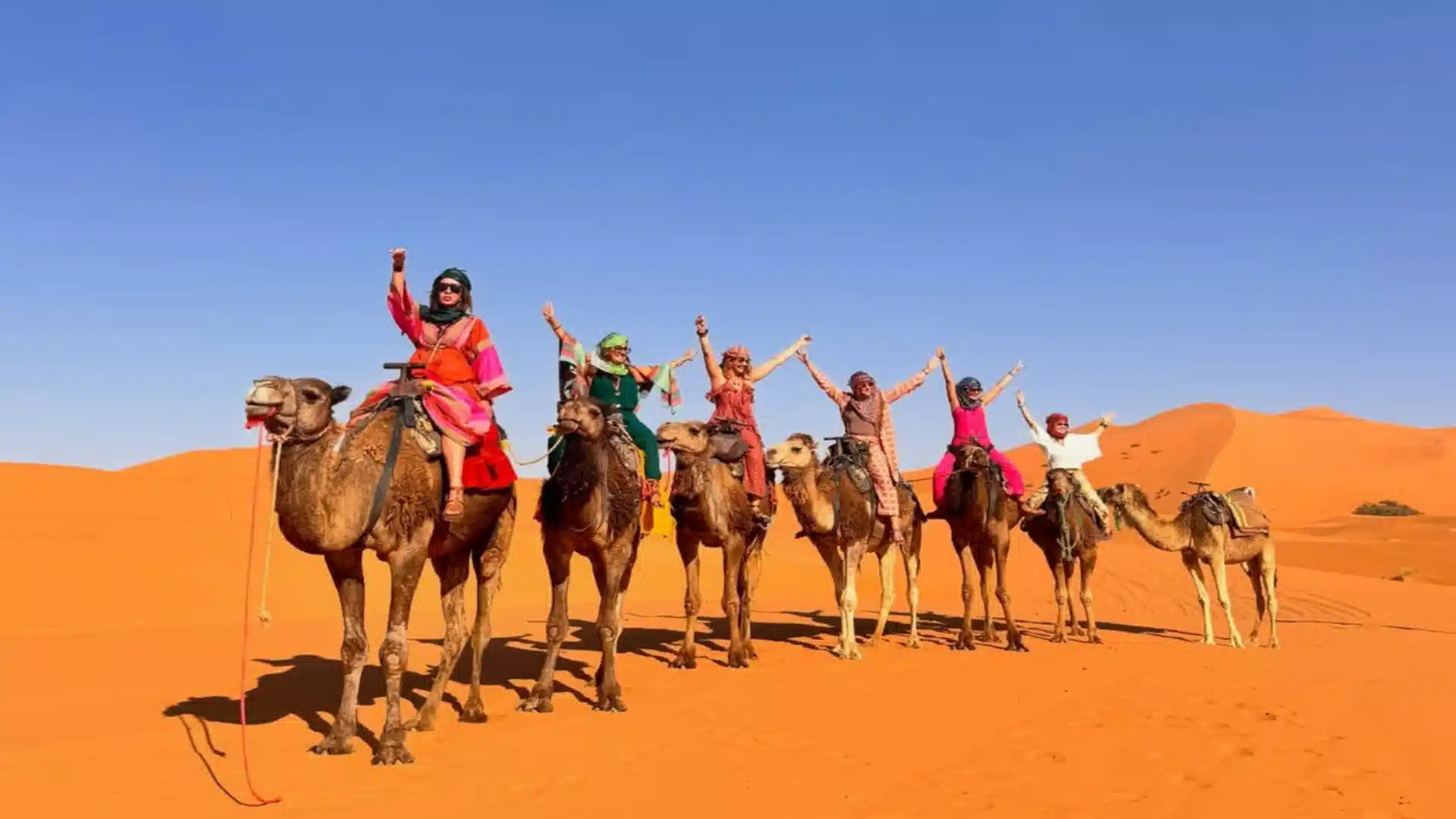
The flawless execution of this transitioning landscape relies heavily on specialized Atlas Mountains private driver logistics, which ensure safety and comfort across remote terrain during your private 3 days desert tour from Marrakech. Arriving at the edge of the dunes in Merzouga in the late afternoon is a moment of pure cinematic revelation, marking the point where motorized transport is exchanged for the ancient, rhythmic pace of a dromedary caravan. As the sun begins its slow descent toward the horizon, casting long, dramatic shadows across the pristine crests of sand, you trek deep into the heart of Erg Chebbi, experiencing the profound, enveloping silence of the Sahara that has captivated travelers for centuries. This trek leads directly to a secluded, state-of-the-art encampment nestled securely within the towering amphitheater of sand, providing an immediate transition from a rugged road journey to an environment of absolute comfort and isolation.
The execution of high-end travel itineraries across this changing terrain requires an even more meticulous understanding of how shifting seasons alter the physical properties of the roads, mountain passes, and desert sand banks. During the winter period, which typically stretches from November through February, the legendary Tizi n’Tichka pass transforms from a sun-baked asphalt ribbon into a complex operational environment where black ice, sudden alpine snow flurries, and dense mountain fog are common occurrences. Navigating these steep switchbacks at an elevation of over two thousand two hundred meters demands a heavy-chassis vehicle with flawless suspension and traction control, coupled with the seasoned instincts of a local specialist who can read the subtle changes in road sheen that indicate hazardous freezing conditions.
As the calendar transitions into the spring months of March through May, the operational challenges shift from frozen precipitation to the dynamic mechanics of mountain snowmelt. The rising temperatures rapidly melt the snowpacks of the highest peaks, sending surges of water rushing down into the deep river valleys, transforming the dry riverbeds, or wadis, of the Dades Valley, the Valley of the Roses, and the Todra region into active waterways. A route that was perfectly dry and passable a week prior can suddenly require technical water crossings and strategic detours. During this season, advanced route management becomes invaluable, as a professional driver maintains constant communication with local networks along the route to anticipate water levels at key crossings, ensuring that the luxury transport vehicle bypasses compromised rural tracks seamlessly without exposing the passengers to logistical delays or uncomfortable, bumpy alternate roads.
The arrival of summer, spanning from June through late August, introduces an entirely different set of physical demands centered on thermal management and vehicle endurance. In the pre-Saharan plains and the deep dune fields of Erg Chebbi, midday temperatures can easily soar, creating a demanding climate for both travelers and machinery. On the long, straight asphalt stretches connecting historical outposts like Erfoud and Rissani to the edge of the desert, the intense heat causes the road surface temperatures to rise significantly, which alters tire pressure dynamics and demands highly efficient mechanical cooling systems. Operating a premium fleet during these months requires strict adherence to preventative maintenance, ensuring that the climate control systems of the all-wheel-drive vehicles function perfectly to maintain a crisp, refreshing cabin environment against the intense external heat. Furthermore, professional desert navigators adjust the timing of the afternoon departure into the dunes, delaying the dromedary caravan or the 4×4 dune transit until the sun dips lower on the horizon, allowing travelers to experience the desert when the air has cooled and the light is optimized for professional photography.
The autumn months of September and October represent a highly coveted golden window where the extreme heat of the summer dissipates, yielding to clear skies and remarkably stable atmospheric conditions across both the mountains and the desert. However, even during this optimal travel window, the microclimates of the deep south require careful preparation, as the thermal drop that occurs the moment the sun slips behind the towering crests of Erg Chebbi can cause temperatures to plunge rapidly from a warm afternoon to a crisp, cold desert night. This dramatic diurnal temperature variation means that the premium camps must transition from afternoon ventilation protocols to evening heating and heavy bedding preparation within a span of just a few hours. By understanding these seasonal shifts, a dedicated travel agency can continuously refine its operational strategies, ensuring that whether a traveler chooses a private 3 days desert tour from Marrakech during the snows of January or the heat of July, the journey remains a masterclass in safety, predictability, and refined comfort.
The Architectural Settings of a Private 3 Days Desert Tour from Marrakech
The architectural heritage encountered along these seasonal routes is far more than a collection of picturesque clay ruins; it represents a sophisticated, centuries-old system of vernacular engineering designed to conquer one of the most hostile climates on earth. The most iconic manifestation of this design philosophy is found within the fortified earthen settlements, or ksour, and the individual castellated strongholds known as kasbahs that line the river valleys of the south. Built entirely from local river mud, straw, and compacted earth, the massive walls of structures like the ksar of Ait Benhaddou serve as masterclasses in thermodynamic regulation. These materials possess a high thermal mass, meaning they absorb the intense solar radiation of the day without immediately transferring that heat to the interior spaces of the buildings. This structural delay ensures that during the hottest hours of the afternoon, the narrow, covered corridors and thick-walled rooms inside the kasbah remain remarkably cool and comfortable without the aid of modern machinery.
Conversely, as the sun sets and the desert air cools down rapidly, the heat that was stored within the thick mud-brick walls throughout the day begins to radiate inward, warming the interior living spaces during the cold pre-Saharan nights. This natural cycle of heat absorption and release created a sustainable, self-regulating living environment that allowed ancient trans-Saharan caravans to rest, recover, and protect their valuable cargos after weeks of grueling travel across the open desert. The layout of these ancient transit hubs further enhances their thermal efficiency, as the buildings are clustered closely together to share structural walls, minimizing the surface area exposed to the direct sun while creating a labyrinth of narrow, shaded alleys that naturally channel and accelerate cool morning breezes through the heart of the settlement.
This historic understanding of structural engineering continues to inform the design and construction of premium travel accommodations in the modern era. When walking through a meticulously restored luxury riad in the Dades Valley or an upscale boutique property near the dunes during your private 3 days desert tour from Marrakech, one observes the exact same architectural principles at play. Modern craftsmen continue to utilize local clay and traditional tadelakt plaster finishes, blending ancient thermodynamic wisdom with contemporary luxury amenities to create spaces that feel deeply connected to the earth. By analyzing these architectural techniques, travelers gain a profound appreciation for the ingenuity of the local cultures, realizing that the striking red and ochre walls rising from the desert landscape are not merely aesthetic choices, but vital tools of survival and comfort that have successfully withstood the test of centuries.
Book Your 3 days Desert Tour From Marrakech Now!
Accommodations in an Erg Chebbi Dunes Luxury Desert Camp
Far from a rustic camping experience, staying at a premium encampment features private, beautifully appointed tents equipped with plush king-sized beds, en-suite bathrooms, hot running water, and exquisite hand-woven Moroccan carpets, blending traditional nomadic aesthetics with contemporary luxury. Choosing an Erg Chebbi dunes luxury desert camp as the centerpiece of your private 3 days desert tour from Marrakech means immersing yourself in an upscale environment where the harshness of the desert environment is replaced by refined hospitality. The evening in Merzouga unfolds as a celebration of traditional Saharan hospitality, beginning with a multi-course feast of rich, slow-cooked tagines, fresh local salads, and fragrant mint tea served under a brilliant canopy of desert stars. As the night deepens, the camp comes alive with the hypnotic rhythms of traditional Gnawa music, as local artists gather around a central campfire, their drumming and chanting echoing softly off the surrounding dunes.
Because Merzouga is located deep within a pristine, low-pollution desert basin, the night sky transforms into an astronomical masterpiece, displaying the Milky Way with an optical clarity that is virtually impossible to find anywhere else on earth. Waking up early the following morning rewards travelers with the ultimate Saharan spectacle: the sunrise over Erg Chebbi, a silent explosion of pastel pinks, deep crimsons, and brilliant golds that slowly illuminates the vast, undulating ocean of sand. This immersive experience highlights why the deep desert basin is favored by travelers who refuse to compromise on the quality of their accommodations, ensuring that their night spent under the stars is defined by unparalleled comfort, exceptional service, and authentic cultural engagement.
Selecting the right provider among the various options along the dune line is essential for securing a seamless, upscale experience that elevates your entire journey. When booking your stay, identifying the best desert camp in Merzouga involves looking for properties that offer a perfect balance of private, modern amenities, sustainable environmental practices, and genuine local interactions. A top-tier camp distinguishes itself through meticulous attention to detail, from the quality of the linens and the temperature control within the tents to the curation of private dining experiences on the crest of the dunes. This level of dedication ensures that your time in the desert is not just a place to sleep, but a profound cultural and sensory highlight of your broader travel itinerary.
Furthermore, a truly masterfully curated desert itinerary does not exist in a vacuum; it should be flexible enough to accommodate unique coastal extensions and specialized recreational activities that cater to the evolving desires of global adventurers. For instance, after experiencing the deep silence and towering dunes of Merzouga on your private 3 days desert tour from Marrakech, a customized itinerary can expertly pivot toward the Atlantic coast, guiding travelers toward the historic beach enclaves of Essaouira or Taghazout. This geographical transition unlocks an entirely different facet of Morocco’s natural beauty, allowing travelers to contrast the dry, landlocked heat of the Sahara with the cool, bracing breezes of the ocean. Along these coastal stretches, the desert adventure finds a thrilling echo in activities like sandboarding down massive Atlantic dunes that plunge directly into the breaking surf, or surfing world-class point breaks, creating a comprehensive, multi-dimensional travel experience that captures the full, breathtaking diversity of the Moroccan landscape.
Culinary Landmarks on a Private 3 Days Desert Tour from Marrakech
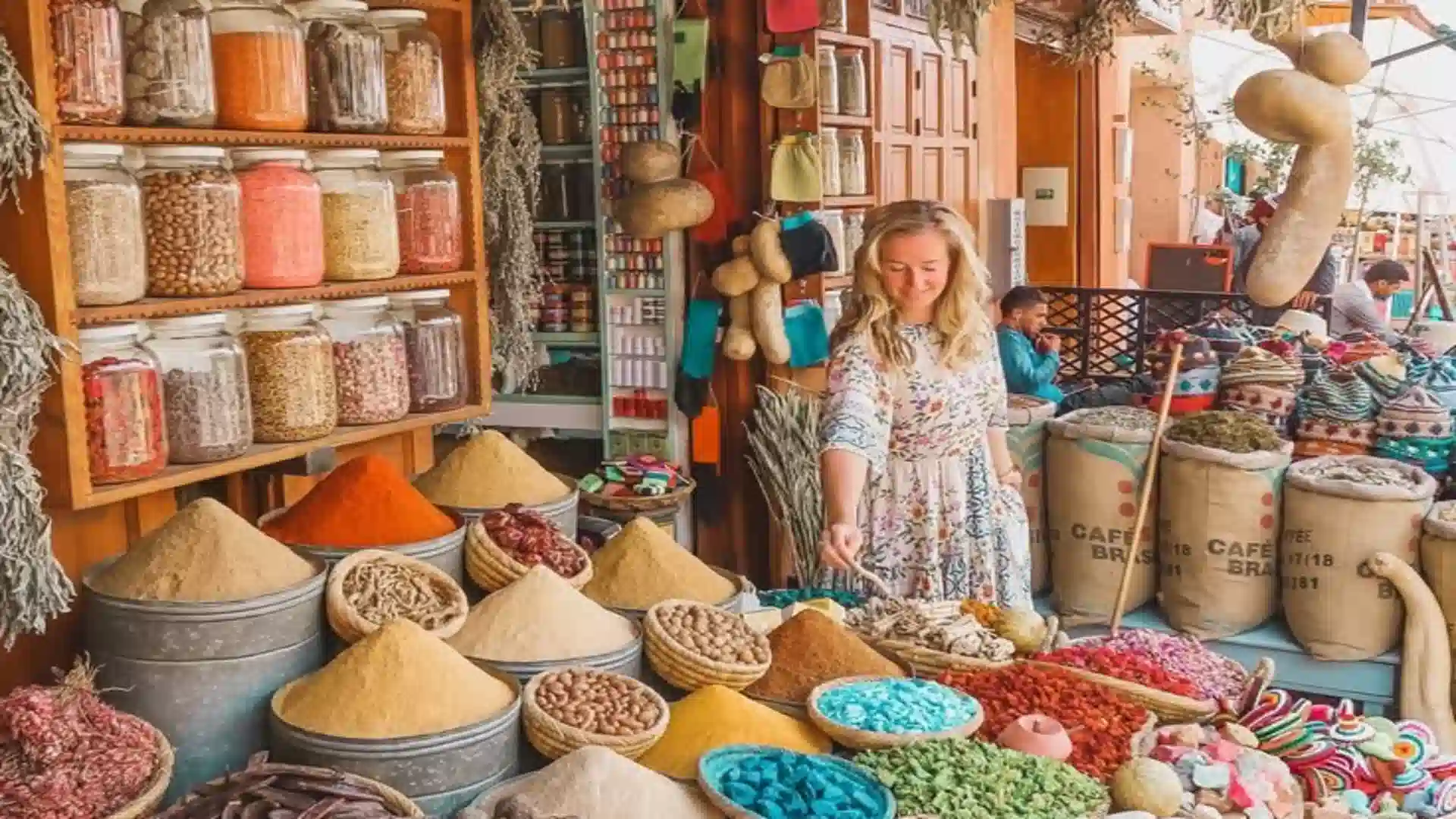
The sensory journey across the mountain passes and into the Sahara is mirrored by a distinct, geographically driven transition in the regional cuisine, where each change in altitude and ecosystem introduces a new palette of flavors, ingredients, and ancestral cooking techniques. Departing the vibrant food culture of Marrakech, the culinary narrative begins its evolution as the vehicle ascends into the high altitudes of the Atlas Mountains. Here, the cuisine reflects the rugged, self-sufficient lifestyle of the mountain communities, focusing on hearty, warming dishes designed to sustain life in a vertical landscape. The high valleys are rich with walnut groves, wild thyme, and rosemary, elements that find their way into slow-cooked mountain lamb tagines, which are simmered for hours over open charcoal braziers in heavy clay vessels until the meat detaches effortlessly from the bone.
Descending the eastern slopes of the Atlas and tracking the ribbons of green that define the Dades and Draa valleys during your private 3 days desert tour from Marrakech, the agricultural bounty shifts toward massive date palm oases and fruit orchards, introducing a natural sweetness to the regional gastronomy. In these valley communities, the traditional cuisine expertly balances savory elements with the rich, honey-like profile of local Medjool and Feggous dates, often pairing them with tender poultry, infused saffron from nearby Taliouine, and a delicate blend of ras el hanout spices. The fields here also produce an abundance of fresh herbs, almonds, and olives, allowing for the creation of complex, multi-layered side dishes and salads that showcase the fertility of these intensely managed oasis ecosystems, where water is channeled through ancient gravity-fed irrigation networks to sustain life amid the surrounding rock.
The true climax of this culinary transition occurs at the physical gates of the desert, specifically within the historic market town of Rissani, located just a short distance from the towering dunes of Merzouga. Rissani is the spiritual home of the Madfouna, a legendary dish frequently referred to by international travelers as the Berber pizza. This culinary masterpiece consists of a robust, hand-kneaded dough filled with a rich, savory mixture of finely minced beef or lamb, aromatic suet, almonds, hard-boiled eggs, and a dense concentration of local desert spices including cumin, paprika, and coriander. Traditionally, the Madfouna was buried directly in the clean, hot sand and covered with glowing embers to bake, though today it is prepared in traditional wood-fired clay ovens that dot the ancient market lanes. Tasting this dense, flavorful bread while exploring the historic trade outposts provides an immediate, visceral connection to the nomadic heritage of the Sahara, offering an authentic taste of a landscape where every ingredient tells a story of survival, hospitality, and cross-cultural exchange.
Connecting Routes: The Fes to Merzouga Desert Journey
The final leg of this comprehensive journey involves executing the seamless Fes to Merzouga desert journey, an alternative but equally spectacular logistical route that demonstrates the versatility of professional trip coordination. Instead of retracing your steps back to Marrakech, a meticulously planned itinerary can point northward from the dunes, carving a path directly through the Middle Atlas region toward the ancient intellectual heart of Fes. This route covers approximately four hundred and seventy kilometers and offers an entirely different visual narrative, guiding travelers through the sprawling palm groves of the Ziz Valley, past the azure waters of high-altitude reservoirs, and up into the cool, alpine cedar forests of Azrou, where wild Barbary macaques roam freely among the ancient trees. It represents a stunning cross-section of Morocco’s diverse ecosystems, taking you from the extreme heat of the Saharan dunes to the crisp, European-style architecture of Ifrane within a single day of travel.
For those travelers seeking to maximize their exploration of the kingdom, the logistical beauty of a private tour lies in its ability to serve as a scenic, high-intent transit bridge that connects the country’s two most famous imperial cities. By designing a customized route that starts in Marrakech, traverses the High Atlas, rests in the desert dunes of Merzouga, and concludes in the medieval medina of Fes, travelers can eliminate redundant backtracking entirely. This sophisticated route planning optimizes every single hour spent on the road, ensuring that your travel budget is spent experiencing new landscapes, tasting regional cuisines, and engaging with different local communities rather than repeating asphalt miles already covered.
The long-term success of these intricate overland voyages relies heavily on the quality and reliability of the logistical infrastructure backing your trip. Navigating massive geographical distances across remote mountain passes and desert tracks demands a modern, perfectly maintained fleet of all-wheel-drive vehicles or premium Mercedes Sprinter vans, specifically configured to handle the unique stresses of Moroccan road conditions. More importantly, investing in customized Morocco desert itineraries allows you to build a personalized schedule that integrates your specific interests, whether that involves extended photography stops, visits to nomadic schools, or specific culinary explorations. A tailor-made approach ensures that your journey reflects your personal style, avoiding the rigid, rushed pacing of mass-tourism bus routes.
A dedicated, multilingual support team consisting of expert native drivers and professional walking tour guides who possess an intimate, lifelong knowledge of these routes is central to this customization. A driver who can seamlessly alternate between Arabic, Amazigh, French, and English serves as far more than a chauffeur; they act as a vital cultural bridge, an expert navigator, and a guardian of your safety, transforming potential travel anxieties into a relaxed, educational journey of discovery. This customized framework removes the friction of travel logistics entirely, leaving you free to absorb the profound beauty, rich history, and warm hospitality that define the Moroccan soul.
Ultimately, the debate between Merzouga and Zagora is resolved by a simple alignment of travel philosophy and expectations. If your goal is simply to check a box, capture a quick photograph on a rocky plain, and return to Marrakech as quickly as possible, Zagora offers a functional, short-term solution. However, if you crave the authentic, romantic mythos of the Sahara—the towering golden dunes that stretch to infinity, the unparalleled luxury of a secluded desert camp, the pristine clarity of a star-filled night sky, and the deep, transformative journey across changing mountain landscapes—then a private 3 days desert tour from Marrakech to Merzouga stands as the only definitive choice. Partnering with an agency that prioritizes advanced route logistics, premium vehicular comfort, and expert local guides ensures that your Moroccan desert voyage transcends the ordinary, becoming a flawless, lifelong memory written across the timeless sands of Erg Chebbi.
Book Your 3 days Desert Tour From Marrakech Now!
Frequent Inquiries Regarding Morocco Sahara Desert Tour Logistics
Is it highly recommended to book a dedicated overland transit option rather than self-driving across the mountain passes?
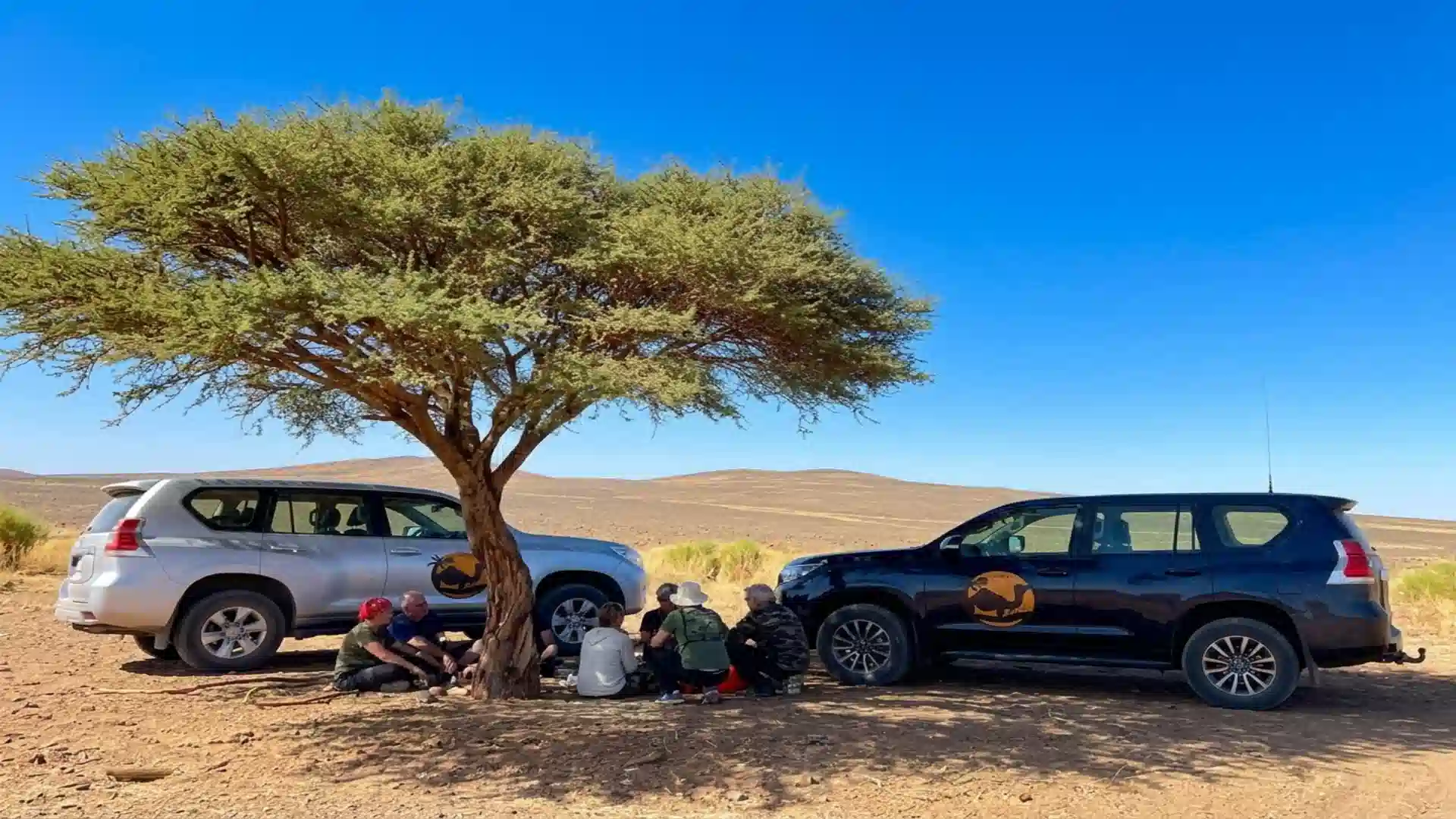
Navigating the extensive geographical distances between major hubs and the southeastern dune networks introduces substantial operational variables that are best managed by a professional transport service. The roads crossing the High Atlas range feature dramatic elevation changes, tight switchbacks, and localized weather anomalies that require extensive regional driving experience to navigate safely. Opting for a professional travel service ensures that you are paired with a modern, high-clearance vehicle that is perfectly maintained to withstand the unique stresses of the terrain. More importantly, a private 3 days desert tour from Marrakech provides you with a native driver who can effortlessly communicate across multiple regional languages, manage unexpected road closures, and offer deep cultural insights, allowing you to focus entirely on the scenery without the stress of navigating unmarked desert tracks or remote mountain roads.
What criteria define the execution of the best desert camp in Merzouga?
A premium desert encampment is distinguished by its ability to provide an uncompromising level of contemporary luxury while maintaining an authentic, sustainable connection to the fragile Saharan ecosystem. The premier operators along the dune line of Erg Chebbi invest heavily in advanced infrastructure, utilizing silent solar power grids to provide twenty-four-hour electricity, hot running water, and reliable climate control within private, beautifully appointed canvas suites. Furthermore, a top-tier camp prioritizes exceptional culinary standards during a private 3 days desert tour from Marrakech, serving multi-course gourmet meals that rival fine-dining establishments, paired with attentive, respectful hospitality from local staff who ensure your time spent under the desert stars is seamless, secure, and deeply memorable.
How should travelers prepare for the significant temperature fluctuations encountered during a Sahara expedition?
The arid environment of the pre-Sahara is characterized by a dramatic thermal contrast between daylight hours and the deep night, driven by the lack of cloud cover and the low moisture retention of the desert sand. While daytime excursions across the dunes are typically warm and sun-drenched, the temperature drops rapidly the moment the sun slips behind the horizon, requiring a versatile wardrobe strategy. Travelers booking a private 3 days desert tour from Marrakech should pack high-quality, breathable layers for daytime exploration, supplemented by wind-resistant jackets, warm sweaters, and thermal wear for the evening hours spent around the campfire. Ensuring you have the appropriate attire allows you to comfortably enjoy both the late-afternoon camel trek and the crisp, star-filled night sky without experiencing discomfort from the sudden atmospheric shifts.