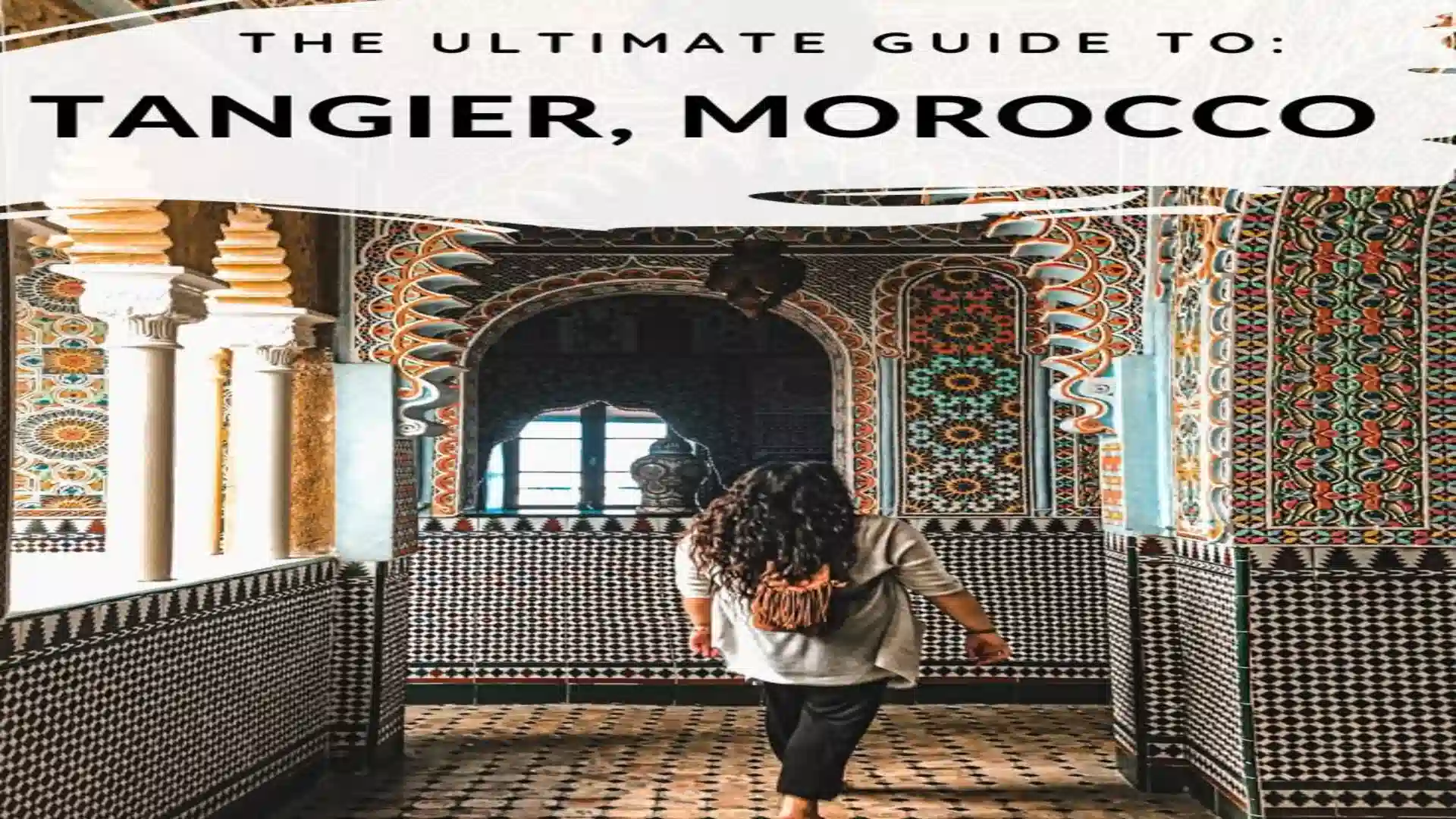
20 Best Things to Do in Tangier: Complete 2026/2027 Guide
The best things to do in Tangier are all about a city like no other in Morocco, perched where the Atlantic meets the Mediterranean, 14 kilometers from Spain, with a medina that housed Beat Generation writers in the 1950s, a kasbah fought over by every Mediterranean power for two millennia, and a clifftop café where Paul Bowles, William Burroughs, and the Rolling Stones all drank the same 10 MAD mint tea. In our experience of routing travelers through Tangier as both a starting point and destination on Morocco tours, the city always surprises visitors who arrived expecting a simple ferry town and rewards anyone who stays longer than a few hours.
This guide identifies all the Tangier sights that are worthwhile, with actual prices in MAD, opening times, the literary and historical context that gives each place its meaning, and the insider detail that distinguishes a great Tangier visit from a rushed one.
Quick Reference: Best Things to Do in Tangier Morocco
| # | Tangier Attractions / Activity | Type | Time Needed | Price (MAD) |
|---|---|---|---|---|
| 1 | Tangier Medina & Grand Socco | Culture / souk | 2–3 hrs | Free |
| 2 | Kasbah and Kasbah Museum | History / architecture | 1.5–2 hrs | 20 |
| 3 | Café Hafa | Culture / café | 1 hr | 10–15 |
| 4 | American Legation Museum | Museum/history | 1–1.5 hrs | 20 |
| 5 | Cap Spartel Lighthouse | Nature / viewpoint | 45 min | Free (exterior) |
| 6 | Caves of Hercules | Nature / myth | 1 hr | 15 |
| 7 | Petit Socco (Souk Dakhil) | Culture / atmosphere | 1 hr | Free |
| 8 | Ibn Battuta Museum | Museum | 45 min | 50 |
| 9 | Gran Café de Paris | Culture / café | 45 min | 15–30 |
| 10 | Cinema Rif / Cinémathèque | Culture / art | 1–2 hrs | 30–50 |
| 11 | St Andrew’s Church | Architecture / history | 30 min | Free |
| 12 | Fondation Lorin Museum | Museum / photos | 30 min | 10 |
| 13 | Tangier Corniche | Seafront / walking | 1–2 hrs | Free |
| 14 | Beach at Malabata | Beach / relaxation | Half day | Free |
| 15 | Day Trip to Chefchaouen | Nature / architecture | Full day | 150–300 |
| 16 | Day Trip to Asilah | Coast / art | Full day | 100–200 |
| 17 | Ferry Day Trip to Tarifa (Spain) | Adventure / border crossing | Full day | €40 one way |
| 18 | Paul Bowles & Beat Literary Walk | Culture / history | 2 hrs | Free |
| 19 | Tangier Street Food Tour | Food / culture | 2 hrs | 100–200 |
| 20 | Hammam in the Medina | Wellness / culture | 1.5 hrs | 15–150 |
Understanding Tangier Attractions: Morocco’s Most Misunderstood Gateway City
With our best things to do in Tangier Morocco, This latter is not just a crossroads between Europe and Africa; it is one of the most historically layered, culturally complex, and literarily important cities in the entire Mediterranean, a city that has been colonized by the Phoenicians, Romans, Portuguese, Spanish, British, and French, and that served as an “International Zone” from 1923 to 1956 when it was ruled by a committee of eight European nations, a status that drew spies, artists, and writers from all over the world. Most Beat Generation writers who put Tangier on the map in the 1950s and 60s are gone. But the city’s literary reputation continues.
Tangier’s history as an International Zone, outside the jurisdiction of any one country, has left a permanent mark on its character: tolerant, multilingual, cosmopolitan, slightly clandestine, and imbued with a sense of geography that no other Moroccan city quite matches. You can sit in Café Hafa and watch Spain. Ten minutes’ walk from the medina, and you are looking at two oceans at once. That physical fact, being at the edge of the known world where two continents almost touch, permeates everything Tangier is.
Most travelers get here by ferry from Algeciras or Tarifa, stay four hours, and go. Travelers who stay longer discover a city that takes time to reveal itself.
1. Visit Tangier Medina and Grand Socco: Where the City Begins With Tangier Morocco Guide
Tangier’s medina is smaller and less grand than those of Marrakech or Fes but more authentic in its everyday character and is the natural starting point for any visit to Tangier. Enter through the Grand Socco (Place du Grand Socco, officially Place du 9 Avril 1947), a large, bustling square that is the city’s main public gathering space, and the transition between the French-designed ville nouvelle and the old medina. Adventurers, romantics, and historians will all find something to enjoy in Tangier, with its winding city streets, hilltop medina, and nearby beaches, all set against a rich cultural tapestry.
The Grand Socco is not a medina square in the Marrakech sense. It is a real public space where the locals come to buy fruit, catch the bus, and sit in the shade; a fountain, a mosque, a cinema, and the entrance to the medina all come together at one busy junction.
What to see around the Grand Socco:
- Cinema Rif (see entry 10): The Grand Socco’s most atmospheric building, a 1930s Art Deco cinema now operating as a Cinémathèque, with a café terrace facing the square
- The central fountain and market: The daily fruit and vegetable market surrounds the fountain, particularly animated on Thursday and Sunday (traditional market days)
- Bab Fahs Gate: The main entrance into the medina from the Grand Socco, through which the narrowing alleyways of the old city begin immediately
Inside the medina:
The Tangier Medina is smaller and less confusing than that of Marrakech or Fes, where you need a few hours to find your way around. The main road runs from Grand Socco up to Petit Socco and then up again to the Kasbah. The Medina of Tangier is a maze of narrow alleys, teeming with life in the form of bustling markets, artisan shops, and hidden cafes where you can sample local life. It’s a great place to get lost in a good way by wandering around.
What to buy:
- The Tangier medina is particularly known for its traditional leather goods, babouche slippers, and silver jewelry, with a less pressurized souvenir atmosphere than Marrakech
- Rue Es Siaghine (Goldsmith Street) near the Petit Socco has the best concentration of jewelry workshops
- Fresh bread from the communal bakeries (farran): look for women carrying round clay trays of unbaked bread through the medina streets toward the neighborhood
2. The Kasbah and Kasbah Museum: Things to Do In Tangier Morocco

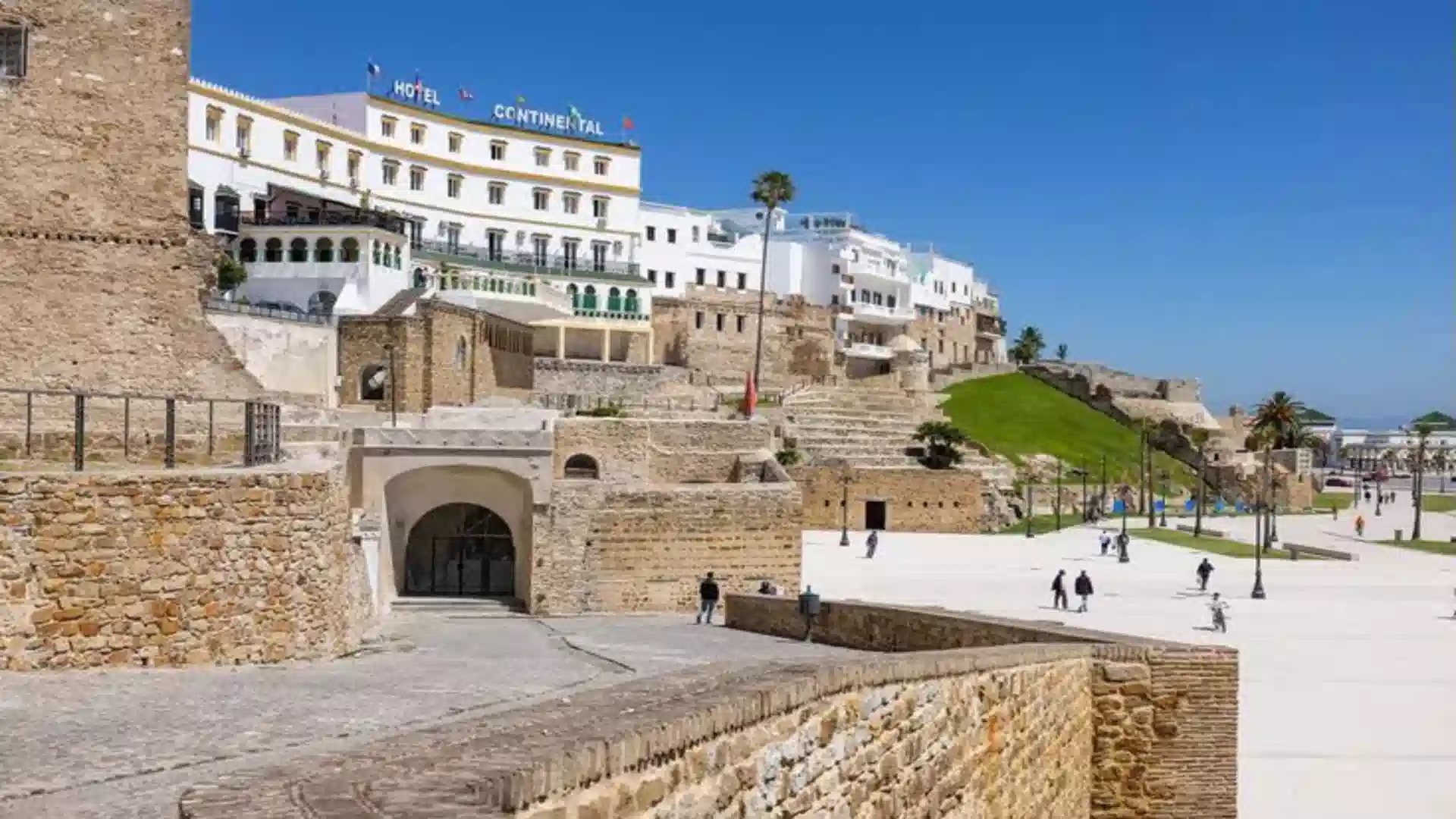
Entering the historic Kasbah district of Tangier through its imposing stone ramparts and traditional arched gate.
The most spectacular sight in the city is the Kasbah, the fortified citadel at the highest point in Tangier with panoramic views over the Strait of Gibraltar, where the Atlantic and the Mediterranean meet, and the mountains of Spain; the Kasbah Museum (Musée de la Kasbah) is housed in the Dar el Makhzen, a former sultan’s palace with an extraordinary tiled courtyard and collections that span the whole history of Tangier from prehistoric Morocco to the Arab dynasties. The Kasbah Museum is in the Dar el Makhzen and has a fantastic traditional courtyard garden. The impressive Kasbah Museum offers one-of-a-kind displays and exhibits that give an insight into the Moroccan city’s rich culture and history, starting from the prehistory of the city and extending to the Islamic dynasties.
What makes the Kasbah worth the uphill walk:
- The view from the Kasbah walls: On clear days (most days), you can see the coast of southern Spain and the mountains of Andalusia visible from the battlements in a sight that stops most visitors entirely
- The former sultan’s palace (Dar el Makhzen): A beautifully restored traditional palace with a large central courtyard of zellige tilework, carved cedar arcades, and an orange tree garden comparable in intimacy to Marrakech’s El Badi but far less visited
- The treasury room: Houses the museum’s finest pieces Carthaginian jewelry, Roman bronzes, and Moroccan artifacts spanning several thousand years of occupation
- Bab el-Assa gate: This gate is where Jim Jarmusch filmed a famous scene for the movie “Only Lovers Left Alive.” A piece of film history that most visitors walk past unknowingly.
Entry fee: 20 MAD for the Kasbah Museum
Opening hours: Wednesday–Monday 10 AM – 5 PM; closed Tuesday
Time needed: 1.5–2 hours for museum + rampart walk
Insider tip: The path through the Kasbah neighborhood above the museum, along the old rampart walls, has some of the best Spain-view photography positions in Tangier, particularly in the late afternoon when the light hits the strait at a low angle.
3. With the Best Things to Do in Tangier, You Will See Café Hafa: The Most Famous Café in Morocco
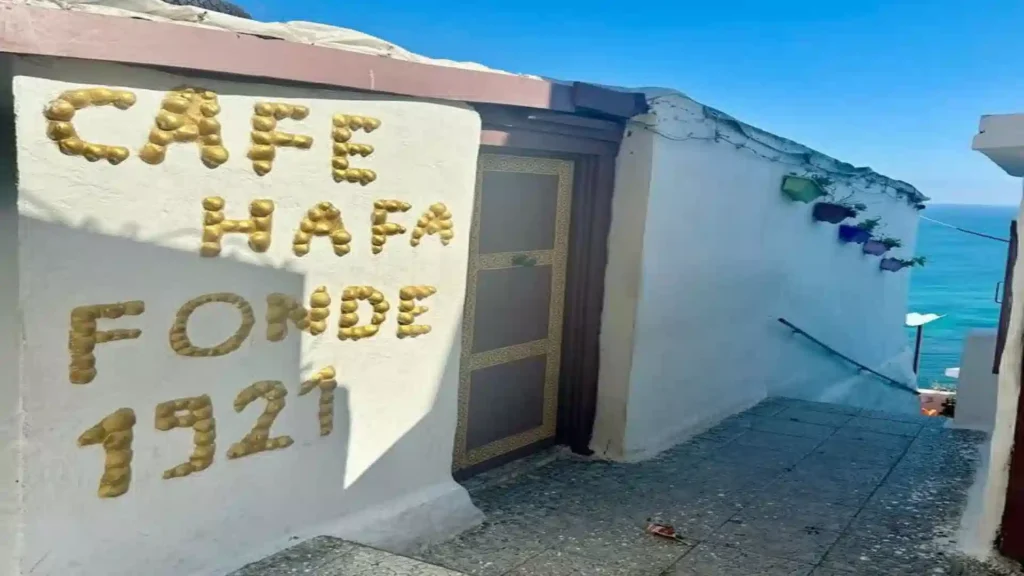
Visiting the historic Café Hafa, an iconic cliffside tea spot in Tangier open since 1921.
Café Hafa, a terraced clifftop café above the Strait of Gibraltar, open since 1921, serving only mint tea and coffee, is the single most historically significant café in Morocco and one of the most atmospheric in the whole Mediterranean. Paul Bowles, William Burroughs, Jack Kerouac, Tennessee Williams, Truman Capote, Allen Ginsberg, and the Rolling Stones all sat at the same simple tiled tables watching Spain across the water. This tiny cafe that serves only mint tea is said to have been frequented by writers like Paul Bowles and William S. Burroughs, who were living in Tangier as part of the Beat Generation.
It celebrated its 100th anniversary in 2021, and its table has hosted The Rolling Stones and writers such as Paul Bowles, Juan Goytisolo, and William S. Burroughs. It’s not a fancy place, not even close. It is a traditional building with a view. But they are quite breathtaking. It has a staggered terrace on different levels with views over the Strait of Gibraltar, apart from a plain interior with tiled tables and earthenware flowerpots.
Café Hafa this café on the cliffs above the Strait, has been serving customers since 1921. Paul Bowles used to drink tea here. The Rolling Stones have had tea here. The mint tea is 10 MAD, the view of Spain across the water is free, and time flows differently here than anywhere else in the city. Arrive late afternoon.
What to expect: No food menu Coffee and mint tea (atay) only. Plastic chairs, mismatched on a succession of terraces going down the side of the cliff. Locals and the odd knowledgeable tourist. A view of the Strait and the Spanish coast that explains Tangier’s hold on writers and wanderers for a century.
Price: 10–15 MAD for mint tea
Best time: Late afternoon, when the light over Spain turns gold and the evening ferry traffic crosses the Strait
Location: Rue Hafa, above the Marshan neighborhood, 10 minutes’ walk from the Kasbah or a petit taxi from anywhere in the city
4. See American Legation Museum With Tangier Morocco Guide: The Most Important Museum You’ve Never Heard Of
The Tangier American Legation Museum is located in a historic building that holds the distinction of being the first piece of American public property abroad, acquired in 1821. This is because Morocco was the first country to recognize American independence in 1777. The fascinating museum occupies the historic American Legation building, built in 1821, and is the first American public property outside the United States. Morocco was the first country to recognize the U.S. independence, cementing a long-standing relationship.
One of Tangier’s most beloved museums is the American Legation Museum, which houses a collection of engravings, maps, rare books, aquatints, paintings, and other artifacts. The building is of historical importance.
What the museum contains:
- Diplomatic correspondence between the early American republic and the Moroccan sultan, including letters signed by George Washington
- A gallery dedicated to Paul Bowles, who lived in Tangier for 52 years; his manuscripts, photographs, and personal effects form the most complete public archive of his life and work
- Rare maps of the Tangier International Zone period (1923–1956) documenting the city’s extraordinary status as a governed-by-committee international territory
- A collection of engravings and paintings depicting Morocco from the 18th and 19th centuries, when Tangier was the primary entry point for European travelers to North Africa
- Contemporary Moroccan art exhibitions in the upper gallery rooms
The Tangier American Legation was the diplomatic headquarters of the United States in Morocco for over a century. The building itself five floors of interconnected rooms in an old Moroccan mansion has barely changed.
Entry fee: 20 MAD
Hours: Monday–Friday 10 AM – 5 PM, Saturday 10 AM – 3 PM; closed Sunday
Time needed: 1–1.5 hours
5. With the best things to do in Tangier Morocco you Visit The Cap Spartel Lighthouse: Africa’s Northwestern Tip
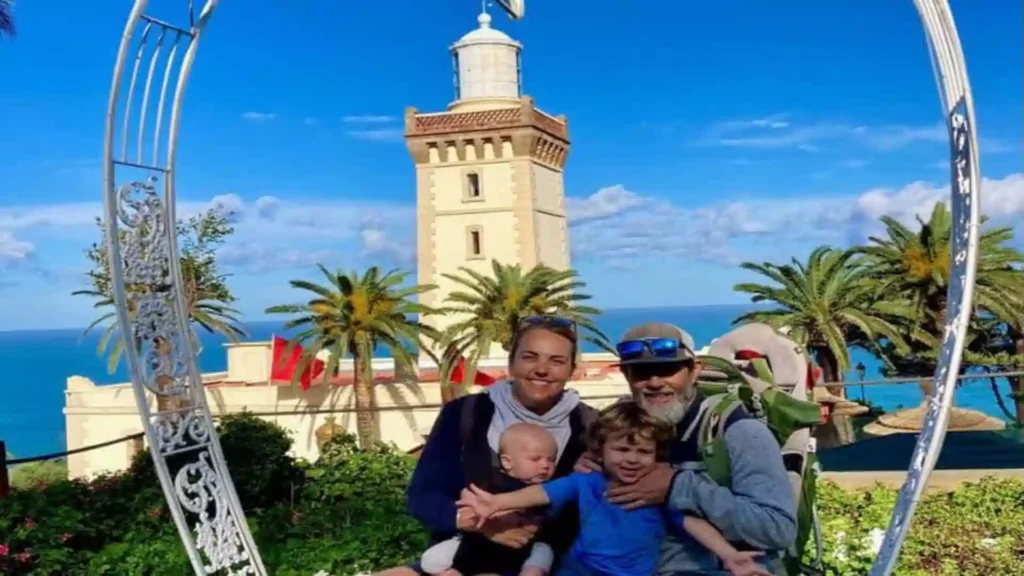
Taking in the views at Cap Spartel Lighthouse, where the Atlantic Ocean meets the Mediterranean Sea.
Cap Spartel is the northwesternmost point of the African continent, where the Atlantic Ocean meets the Mediterranean Sea in a visible convergence of two bodies of water. It has a lighthouse, which was built jointly by European powers and the Moroccan sultan in 1864, the first in Morocco, built in the 19th century. Cap Spartel is 14 kilometers west of Tangier, by taxi or car. The Cap Spartel lighthouse, built in the 19th century, is a historic beacon that was initially illuminated to steer ships past the dangerous Strait of Gibraltar.
To stand at Cap Spartel is to have a truly rare geographical experience: you are watching two oceans at once, at the point where the continent of Africa ends and the sea begins. Lighthouse grounds are open for walking; lighthouse interior sometimes open to visitors.
What to do at Cap Spartel:
- Walk the short coastal path from the lighthouse to the viewpoint overlooking both ocean approaches
- Visit the adjacent Caves of Hercules (see entry 6) 1 km south along the coast road
- Have lunch at one of the seafood restaurants on the Cap Spartel headland overlooking the Atlantic
- Photograph the convergence of currents on calm days; the Atlantic blue and Mediterranean green are visibly different colors where they meet
Getting there: 20–30 minute taxi from Tangier center (100–150 MAD return, including waiting time)
Entry: Free to visit the grounds and viewpoint
Best time: Morning for the clearest light on the ocean; sunset is extraordinary in autumn and winter.
6. Some of Tangier Attractions are the Caves of Hercules: Myth, Legend, and an Atlantic View
Caves of Hercules 1 kilometer south of Cap Spartel lighthouse, are a complex of natural and human-made sea caves. From the inside, the opening facing the Atlantic Ocean is strikingly similar to the outline of the African continent and is one of the most photographed landscapes in Morocco. The Caves of Hercules are one of the top sights in the area, 7 miles (14 km) west of Tangier, near Cape Spartel. The cave was discovered in 1906 and is 18.6 miles, or 30 kilometers, long, both natural and man-made.
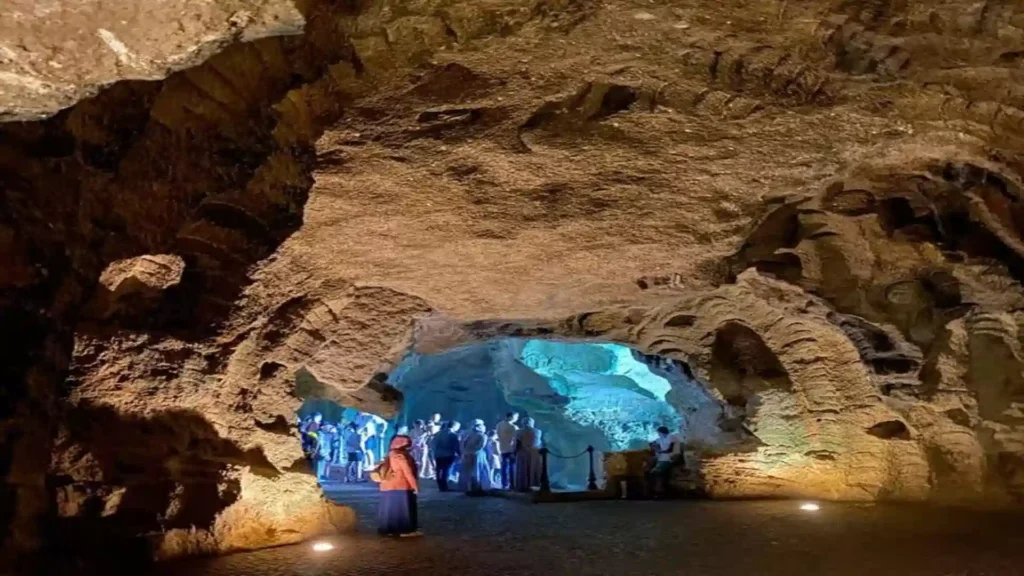
Exploring the dramatic interior rock formations and ocean views inside the ancient Caves of Hercules.
Cave mythology: After his Twelfth Labor, Hercules rested here, after the separation of Europe and Africa that created the Strait of Gibraltar, celebrated in the ancient world as the “Pillars of Hercules.” Legend has it that Greek hero Hercules rested here after he separated Europe from Africa, and the cave’s opening to the Atlantic is a breathtaking sight. The entrance is shaped like the African continent, and the caves are perfect for visitors to get a photo opportunity.
The bottom line: The Caves of Hercules are visually impressive from the right angle inside; the ocean-facing opening really does look like Africa but the interior has been somewhat commercialized, with a small market of souvenir stalls and guided entry. It takes some background knowledge to appreciate the geological and mythological context, rather than a hasty camera-and-leave visit.
Entry fee: 15 MAD
Time needed: 45–60 minutes
Combine with: Cap Spartel lighthouse (1 km north) in a single morning excursion
7. Petit Socco (Souk Dakhil): The Heart of the Old City
With the best things to do in Tangier Morocco the Grand Socco, you walk uphill through the main souk alleyway to the Petit Socco, the small square at the center of the medina. In the days of the International Zone (1923-1956), this was the center of the city’s international social life, with spies, diplomats, writers, and smugglers frequenting the cafés – where today locals drink mint tea from much the same wooden chairs. Here Bowles, Burroughs, and their Beat friends would meet to discuss life and literature, mingling with double agents and expats during the infamous period of international rule. It was here that Tennessee Williams met one of Morocco’s most famous writers, Mohamed Choukri, who wrote a memoir called Tennessee Williams in Tangier. The café is an ideal place to watch the frenetic rhythms of the Petit Socco, where you can see people of all kinds, rich and poor, foreign and local, merchants and businessmen.
What to do at Petit Socco:
- Sit at Café Baba (see the Beat literary walk section), one of the square’s oldest cafés, where the Rolling Stones are said to have smoked kif in the 1960s
- Watch the unhurried rhythm of Tangier Medina life. This is not Marrakech’s frenetic Jemaa el-Fnaa, but a smaller, quieter human theater
- Walk the narrow lanes radiating from the square for the best concentration of traditional craft shops in the city
- Note the multilingual signage and architecture: Spanish, French, and Arabic coexist visibly in the Petit Socco, a legacy of the city’s international period
8.Visit Ibn Battuta Museum: Tangier’s Most Underrated Sight With Tangier Morocco Guide:
Ibn Battuta, born in Tangier in 1304, was the greatest traveler of the medieval world, traveling an estimated 120,000 kilometers across Africa, the Middle East, Central Asia, and Southeast Asia in his 30 years of journeying, more than any other medieval traveler on record, before returning to Tangier to dictate his memoirs, the Rihla, at the end of his life. The tomb of Ibn Battuta is the last resting place of Ibn Battuta, the greatest traveler of the 14th century, who traveled more than 120,000 kilometers throughout the Islamic world and beyond. Ibn Battuta was born in Tangier and finished his life back in his hometown, where he wrote his famous memoirs, called Rihla.
Tangier was the birthplace of the famous traveler Ibn Battuta in 1304. His journeys spanned an estimated 120,000 kilometers across Africa, the Middle East, Central Asia, and Southeast Asia more than any other recorded medieval traveler. Modest but well put together, it really adds some context to the city. Most people don’t know that Tangier is associated with one of history’s most extraordinary travelers.
Entry fee: 50 MAD
Time needed: 45 minutes
Location: Near Bab Al Bahr gate, within walking distance of the Kasbah Museum
9. Gran Café de Paris: Tangier’s Most Famous Coffee
The Gran Café de Paris on Place de France in the ville nouvelle, operating since the 1920s, is the most storied café in Tangier’s French-colonial center, appearing in multiple Beat Generation memoirs, frequented by the city’s international set during the Interzone years, and still serving excellent espresso to a mixed crowd of older locals and knowing travelers. Gran Café de Paris (Place de France) is Tangier’s most famous café, in the ville nouvelle. Get an espresso and watch the city do its morning thing. The café appeared in a number of Beat Generation memoirs. The coffee is nice.
What to order: Double espresso (café noir), Moroccan mint tea, or a croissant The Gran Café has a simple French-Moroccan café menu that has remained unchanged in its essentials for decades.
Best time: Morning (8–10 AM) when the café fills with the city’s early risers and the Place de France is still quiet.
Price: 15–30 MAD for coffee and a pastry
10. Cinema Rif / Cinémathèque de Tanger: Art House on the Grand Socco
With our things to do in Tangier you will see one of Morocco’s most loved cultural venues is the Cinema Rif, an Art Deco movie house on the Grand Socco, originally built in the 1930s and restored in 2006 as the Cinémathèque de Tanger. It screens Moroccan, Arab world, and international cinema in a beautifully restored auditorium, with a rooftop café terrace overlooking the Grand Socco that is one of Tangier’s most social and pleasant spots. At the Cinémathèque or Cinema Rif, you can enjoy a drink or even catch a movie. There is the famous square, the Grand Socco. One of the highlights of the day was drinking tea outside Cinema Rif. Here you can enjoy a drink, free WiFi, and the spirit of Tangier.
Entry: 30–50 MAD for screenings, free to enter the café area
Programming: Check the Cinémathèque’s schedule; it screens international and Moroccan films in the original language, sometimes with French subtitles.
The café: The rooftop terrace café is one of the best places in Tangier for a coffee with a view over the Grand Socco, particularly atmospheric in the evening before a screening.
11. Things to Do in Tangier That Takes You to St Andrew’s Church: Morocco’s Most Surprising Interior
Built in 1905 in the heart of the Tangier medina for the city’s British expat community, St. Andrew’s Church has Tangier’s single most architecturally surprising interior: a Gothic structure entirely decorated with Moorish Islamic patterns, Arabic calligraphy, and zellige tilework, and the physical embodiment of Tangier’s permanent cultural collision. Little St Andrews Church asks the custodian to let you in for pointers.
The churchyard is the resting place of several eminent expatriates who lived and died in Tangier during its international period, including Walter Burton Harris, a correspondent of The Times, and Emily Keene, who married a Moroccan sharif and spent decades living in Morocco.
Entry: Free ring the bell if the gate is closed; a guardian will open it for a small tip (20–30 MAD appreciated).
Time needed: 30 minutes
Don’t miss: The Arabic calligraphy from the Quran incorporated into the nave decorations is a deliberate architectural statement of interfaith coexistence.
12. Fondation Lorin Museum: Tangier’s Photographic Memory
The Fondation Lorin Museum, located in a former synagogue in the medina near the Petit Socco, houses a collection of photographs, posters, and memorabilia documenting the cosmopolitan International Zone period in Tangier (1923-1956), when the city’s population was a mix of French, Spanish, British, American, Italian, Jewish, and Moroccan communities all living together in one small city. The Musée de la Fondation Lorin, located in a former synagogue, displays the history of Tangier in a collection of pictures, posters, and other mementos from the 1940s to 1960s.
For anyone interested in the lost world of International Tangier this tiny museum is indispensable. The photographs of the city’s cafés, port, and street life in the 1940s and 1950s reveal a place that is no longer quite there, caught before it was gone.
Entry fee: 10 MAD
Time needed: 30 minutes
Combine with the American Legation Museum and Petit Socco for a complete medina cultural morning.
13. Tangier Attractions Corniche: The Mediterranean Seafront
Tangier’s Corniche (the modern seafront promenade) runs northwards from the ferry port along the Mediterranean shore toward the Malabata headland. It may not be as famous as the Atlantic Corniche in Casablanca, but it has something that Corniche doesn’t: clear Mediterranean water, far-off views of the Spanish coast, and the special pleasure of walking the edge of Africa toward Europe. Tangier is perched on the edge of the known world, the northwest tip of Africa, where the Atlantic slams into the Mediterranean and the mountains of Spain glint 14 km across the Straits of Gibraltar.
What the Corniche offers:
- Morning walk before the city heat builds (Tangier’s Mediterranean position means mild mornings year-round)
- Photography of the ferry traffic crossing the Strait of the Tarifa or Algeciras ferries crossing regularly creates genuinely dramatic compositional elements against the Spanish coast
- Access to Malabata Beach (see entry 14) at the promenade’s eastern end
14. Malabata Beach: The Best Urban Beach Near Tangier
Malabata Beach is the most accessible and most family-popular beach near Tangier, 6 kilometers east of the city center on the Mediterranean coast. It’s a gently curving bay with calm Mediterranean water (warmer and calmer than the Atlantic beaches to the west), and the Malabata lighthouse makes a photogenic headland backdrop. This is one of the most beautiful beaches near Tangier, a summer zone where you can have a great time.
Getting there: 15-minute petit taxi (30–40 MAD) from the city center
Facilities: Beach clubs (entry 100–200 MAD including sun lounger), cafés, seasonal water sports
Best time: June–September for swimming; May and October for quieter, pleasant days without peak crowds
15. Day Trip from Tangier to Chefchaouen: The Blue City
Chefchaouen, Morocco’s famous blue-washed mountain town, is about 2.5–3 hours south of Tangier in the Rif Mountains and is the most booked day trip from Tangier, as well as one of the most breathtakingly beautiful trips you can take from any Moroccan city. Enjoy a cheap shared day trip from Tangier to Chefchaouen. Travel in comfort with your fellow passengers and enjoy free time to explore Morocco’s famous Blue City at your pace.
Coming by ferry from Spain to Tangier and with a day or two to spare before heading south, the easiest way to see one of Morocco’s most picturesque destinations without a separate multi-day itinerary is with a day trip to Chefchaouen.
Travel options:
- Shared group tour: 150–250 MAD per person, shared van, fixed timing
- Private taxi from Tangier: 400–600 MAD return for the vehicle (negotiate before departure)
- CTM bus: Daily departures, approximately 60 MAD one-way, 3+ hours
Time in Chefchaouen: Arrive by 10–10:30 AM to allow 4–5 hours before the return, enough to walk the medina, climb to the Spanish Mosque viewpoint, and have lunch.
16. Things to do in Tangier Made Day Trip from Tangier to Asilah: Morocco’s Art Town
Asilah, 46 km south of Tangier on the Atlantic coast, is a small, whitewashed port town of extraordinary beauty, with Portuguese-era fortification walls, a medina whose alleyways are painted with murals by international artists during the annual Asilah International Cultural Moussem festival (July–August), and a dramatically quieter atmosphere than any comparable Moroccan medina. Asilah is a day trip from Tangier, a 45-minute to 1-hour train or taxi ride. The town is worth a half-day or full-day visit for the art murals and seaside atmosphere.
Getting there:
- Train (recommended): Tangier to Asilah is approximately 45 minutes, 30 MAD, and the most reliable and scenic option
- Private taxi: 200–300 MAD return, including waiting time
- CTM bus: Regular departures, 25 MAD
What to do in Asilah:
- Walk the fortification walls overlooking the Atlantic, the most dramatic coastal battlements in northern Morocco
- Find the street murals from the annual cultural moussem; new ones appear each July and remain year-round
- Have fresh grilled Atlantic fish at one of the port restaurants among the best seafood in Morocco for the price
- Browse the small galleries in the medina quarter that have attracted artists to Asilah since the 1970s
17. Ferry Day Trip from Tangier to Tarifa, Spain, With Our Tangier Morocco Guide:
From Tangier, one of the most exhilarating things to do is take the 35- to 60-minute ferry crossing to Tarifa in southern Spain, the shortest crossing between Africa and Europe, which allows travelers to experience both continents in a single day: Tangier medina in the morning, Spanish tapas and white-walled streets in the afternoon, and back in Morocco by evening. The trip from Spain to Morocco takes 1 hr, and tickets start around €40. The route is run by Africa Morocco Link (AML) and Baleària. Act fast and book your trip today with the best travel agency.
Practical details:
- Ferry operator: AML or Baleària from Tangier Ville port to Tarifa
- Crossing time: 35–60 minutes
- Ticket price: €40 one way from Tarifa; book in advance during July–August
- Passport required: EU, UK, and US citizens’ standard passport control on both sides
- What to do in Tarifa: Walk the old town walls, have lunch at any of the seafront restaurants (fresh Atlantic tuna and grilled fish are Tarifa’s speciality), and appreciate the extraordinary view back across the water toward Africa
18. The Paul Bowles and Beat Generation Literary Walk in Tangier Attractions
With the best things to do in Tangier Morocco, This latter has more physical literary history than nearly any city of its size, from the Petit Socco cafés where William Burroughs and Paul Bowles met in the 1950s to the building on rue Magallanes where Burroughs wrote Naked Lunch, the apartment building where Paul Bowles lived for 52 years, and the clifftop Café Hafa, where the entire Beat circle drank tea and watched Spain. Paul Bowles (1910-1999) was a resident of Tangier for 52 years. His apartment in the Itesa building is now under the American Legation. His novel The Sheltering Sky (1949) is still the definitive literary portrait of Morocco. In the 1950s, William Burroughs moved to Tangier, inspired by the work of Bowles. This is where he wrote his touchstone novel, Naked Lunch.
The self-guided Beat Generation literary walk:
- Grand Socco Start, where Bowles, Burroughs, and their circle entered the medina from the ville nouvelle
- Petit Socco and Café Baba The iconic café known for bands like the Rolling Stones and other celebrities who would come here. Sit at the same square-tiled tables
- Rue Magallanes The building where Burroughs lived while writing Naked Lunch (1957–1958); a plaque marks the location
- American Legation Museum: The Paul Bowles archive, manuscripts, and photographs; the most complete record of his Tangier years
- Café Hafa: Other writers who set foot in Hafa were Jean Genet, Jack Kerouac, Tennessee Williams, Truman Capote, and Allen Ginsberg. End the walk here with mint tea overlooking Spain.
Duration: 2–3 hours at a leisurely pace
Cost: Free (café purchases only). The American Legation entry is 20 MAD if you go inside.
19. Tangier Street Food: What to Eat and Where with the Tangier Morocco Guide in 2026/2027
The street food culture of Tangier reflects the city’s layered heritage, with Spanish influence in the fried fish and tapas-adjacent snacks, Moroccan tradition in the harira and msemen, and the city’s port character in the always excellent fresh seafood. El Morocco Club (Rue de la Liberté) is the best restaurant in Tangier’s Ville Nouvelle for serious Moroccan food. It’s not cheap (200-300 MAD per person), but the meal is worth it.
What to eat in Tangier:
- Bissara soup: A fava bean soup, Tangier’s morning street staple, served with olive oil and cumin from early morning stalls near the Grand Socco (8–10 MAD)
- Fish brochettes: The port proximity means fresh Atlantic fish (sardines, mackerel, and sea bass) grilled at street stalls near the Petit Socco is better than anything comparable in inland cities
- Msemen: Square Moroccan flatbreads sold warm from street vendors throughout the medina (3–5 MAD)
- Snail soup (babouche): A Tangier speciality less common in southern Morocco, slow-cooked in broth with herbs, sold in tiny cups at evening stalls (5 MAD)
- Spanish-influenced pastry: The city’s French-Spanish patisseries in the ville nouvelle produce almond pastries (almendrados) that reflect the lingering Spanish protectorate influence
20. best thing to do in Tangier Morocco is Traditional Hammam:
Tangier has some great neighborhood hammams, far less geared toward tourists than the hammam industry in Marrakech, with prices to match actual local usage (15-30 MAD) and a more genuinely communal feel. There are several working public hammams in the medina, within easy walking distance of the Petit Socco and Kasbah.
See our dedicated Moroccan Hammam Guide for the complete guide to what happens inside a Moroccan hammam, how to prepare, and what to bring.
Tangier hammam basics:
- Entry: 15–30 MAD
- Kessa scrub (optional, with attendant): 30–80 MAD additional
- Bring: Flip-flops, a small towel, and a kessa glove (available at any souk stall for 10–15 MAD)
- Best timing: Morning (before 11 AM) for the cleanest water; evenings are busier and more social
Tangier vs Marrakech vs Casablanca: Where Does It Fit in a Morocco Itinerary?
Tangier occupies an entirely different niche than Marrakech and Casablanca. It is not Morocco’s cultural heart, nor its commercial engine. It is Morocco’s most internationally storied port, the most European-feeling Moroccan city, and the most natural gateway for travelers combining Morocco with Spain or Portugal. Tangier sits on the edge of the known world, at the northwestern tip of Africa, where the Atlantic flows into the Mediterranean.
| Factor | Tangier | Marrakech | Casablanca |
|---|---|---|---|
| Vibe | Literary, cosmopolitan, layered | Sensory, intense, iconic | Commercial, modern, sophisticated |
| Best for | Ferry arrivals from Spain, literary travelers, day trip to Chefchaouen | Desert tours, souks, palaces, gardens | Hassan II Mosque, Art Deco, nightlife |
| Minimum time | 1 overnight (ideally 2) | 2–3 days | 1–2 days |
| Crowd level | Low-medium | Very high | Medium-high |
| Medina character | Smaller, more local, less tourist pressure | Large, UNESCO, high tourist density | Compact, functional |
Getting Around Tangier Attractions: Practical Tips

Located at the crossroads of Africa and Europe, Tangier overlooks both the Atlantic Ocean and the Mediterranean Sea.
Getting from the ferry port to the city:
• Tanger Ville port (Tarifa ferry arrivals): 10–15 minute walk or petit taxi (20–30 MAD) to Grand Socco
• Tanger Med port (Algeciras ferry arrivals): 40 km from city grand taxi (60–100 MAD per seat) or bus to Tangier centre
Within the city:
• Petit taxi (small beige cabs): Insist on the meter or agree on a price before entering; most city journeys run 15–40 MAD
• Walking: The medina, Kasbah, and Grand Socco are all walkable from each other
• To Cap Spartel/Caves of Hercules: Hire a petit taxi for a 2–3 hour excursion (150–200 MAD return with waiting time)
Al Boraq high-speed train from Tangier:
By high-speed train (Al Boraq): From Casablanca in 2h20, from Rabat in 1h30. This is the best way to arrive. The Tangier Ville station is modern, central, and connected to the city by petit taxi (20–30 MAD to the medina).
Best Time to Visit Tangier Morocco Guide
Because it’s on the Mediterranean, Tangier has the mildest climate in Morocco year-round, with enough milder days to make it comfortable to visit at any time. But the best time to visit is spring (April-May) or autumn (September-October) for the best combination of warm days, clear views of the straits, and manageable crowds. In Tangier, temperatures are a reasonable 28–32°C at the height of summer, whereas in Marrakech they can get really uncomfortable in July and August.
| Season | Temperature | Crowds | Notes |
|---|---|---|---|
| Jan–Mar | 14–18°C | Low | Occasional rain, very quiet, low prices |
| Apr–May | 18–24°C | Medium | Best overall clear, straight views, comfortable |
| Jun–Aug | 26–32°C | High (Spanish/European tourists) | Peak ferry traffic; beach clubs busy |
| Sep–Oct | 22–28°C | Medium | Excellent post-summer quiet, still warm |
| Nov–Dec | 14–18°C | Low | Mild, quiet, good for literary exploration |
How Many Days Do You Need in Tangier?
One night minimum; two nights ideal; three nights for anyone who wants to properly explore the day trips to Chefchaouen and Asilah alongside the city itself. Most visitors come by ferry and stay only 4-6 hours before continuing their journey, which is enough time for the Kasbah and Café Hafa, but nowhere near enough to appreciate what Tangier actually is.
1 day (ferry transit stop): Kasbah + Grand Socco Medina walk + Café Hafa + Petit Socco + Gran Café de Paris
1 overnight (2 days): Above + American Legation Museum + Cap Spartel + Caves of Hercules + literary walk
2 overnights (3 days): Full city program + full day trip to Chefchaouen or Asilah
Frequently Asked Questions: Things to Do in Tangier Morocco
What is Tangier famous for?
Tangier is famous for its position at the meeting point of the Atlantic and Mediterranean, its literary history as home to Beat Generation writers (Paul Bowles, William Burroughs) in the 1950s–60s, its role as Africa’s closest port to Europe (14 km from Spain), and its International Zone period (1923–1956) when it was governed as an international territory outside any country’s jurisdiction.
Is Tangier worth visiting in Morocco?
Yes, particularly for travelers interested in history, literature, and coastal scenery who find Marrakech’s tourist intensity overwhelming. Tangier is the most European-feeling Moroccan city, the quietest major medina, and the most naturally suited to combining with a Spain trip.
How far is Tangier from Marrakech?
Approximately 340 km (around 5–6 hours by road). The Al Boraq high-speed train connects Tangier to Casablanca in 2 hours 20 minutes, from where connections to Marrakech run regularly.
What is the best day trip from Tangier?
Chefchaouen (the Blue City) is the most popular day trip from Tangier 2.5–3 hours south in the Rif Mountains, stunning for photography, and manageable in a long day. Asilah on the Atlantic coast is the best half-day option for art, seafood, and coastal beauty.
Can you walk from Tangier to Spain?
No, the Strait of Gibraltar is 14 km of open water. The ferry crossing from Tangier Ville port to Tarifa takes 35–60 minutes. It is, however, the shortest sea crossing between Africa and Europe.
Is Tangier safe for tourists?
Yes, Tangier has a lower hassle quotient than Marrakech’s medina, with its tourist police presence and established ferry-arrival infrastructure. Standard precautions apply as in any port city. See our Is Morocco Safe guide for the full picture.
Plan Your Tangier Morocco Guide with Over Morocco Tours
Tangier is a natural bookend for any Morocco itinerary that begins in the south (arriving by ferry from Spain), heading south through Chefchaouen and Fes to Marrakech, and leaving from Marrakech’s airport. We do private transfers and guided tours linking Tangier to the rest of the Morocco itinerary Form Casablanca.
Our circuits from Tangier:
- Tangier → Chefchaouen → Fes → Merzouga Sahara → Marrakech (10 days): the most complete north-to-south Morocco experience
- Tangier → Fes → Sahara → Marrakech (7 days) fast-paced grand circuit
- Custom private transfers from Tangier port to any Moroccan city; take a look at full 10 days in Morocco from Tangier.
Browse Our Tours Starting from Tangier →
Contact Us to Plan Your Morocco Circuit →
Based in Merzouga. Private airport and port pickups across Morocco -Tangier, Casablanca, Marrakech, Fes, Agadir. No hidden fees.