Best Time to Visit Morocco 2026: The Ultimate Monthly Guide
Table of Contents
Best Time to Visit Morocco: Quick Reference Table
| Month | Overall Rating | Marrakech Temp | Sahara Temp | Crowd Level | Flight Prices |
|---|---|---|---|---|---|
| January | ⭐⭐⭐ Good | 18°C / 8°C | 18°C / 2°C | Low | Low |
| February | ⭐⭐⭐ Good | 20°C / 9°C | 20°C / 4°C | Low | Low |
| March | ⭐⭐⭐⭐ Excellent | 23°C / 11°C | 25°C / 8°C | Medium | Medium |
| April | ⭐⭐⭐⭐⭐ Best | 26°C / 13°C | 30°C / 12°C | High | High |
| May | ⭐⭐⭐⭐⭐ Best | 30°C / 16°C | 35°C / 17°C | Medium | Medium |
| June | ⭐⭐⭐ Good (coast) | 35°C / 19°C | 40°C / 22°C | Medium | High |
| July | ⭐⭐ Avoid inland. | 38°C / 22°C | 44°C / 26°C | High | Highest |
| August | ⭐⭐ Avoid inland. | 38°C / 22°C | 45°C / 27°C | High | Highest |
| September | ⭐⭐⭐⭐ Excellent | 33°C / 19°C | 38°C / 22°C | Medium | Medium |
| October | ⭐⭐⭐⭐⭐ Best | 27°C / 15°C | 30°C / 14°C | Medium | Medium |
| November | ⭐⭐⭐⭐ Very Good | 22°C / 11°C | 24°C / 9°C | Low-Medium | Low-Medium |
| December | ⭐⭐⭐ Good | 18°C / 8°C | 18°C / 4°C | Low (excl. Xmas) | Low |
When Is the Best Time to Visit Morocco? The Short Answer
The best time to visit Morocco are spring (March–May) and autumn (September–November), but the best individual months are April and October, when comfortable temperatures coincide throughout every region at the same time: Marrakech is warm but not torrid, the Sahara is ideal for camping, the Atlas Mountains are clear, and the Atlantic coast is still pleasant.
| What You Want | Best Time |
|---|---|
| Best overall trip (city + Sahara + mountains) | April or October |
| Sahara desert tour from Marrakech | October–April (avoid July–August) |
| Atlantic beach holiday (Essaouira, Agadir) | June–September |
| Atlas Mountains trekking | March–May or September–October |
| Skiing in Oukaimeden | January–February |
| Budget travel (low prices + small crowds) | November–February (excl. Christmas) |
| Photography | March–May (green landscapes) or October–November |
| Avoiding Ramadan 2026 | Travel before Feb 17 or after March 19. |
| Avoiding Ramadan 2027 | Travel before Feb 6 or after March 8. |
Morocco Weather by Month: The Complete Breakdown
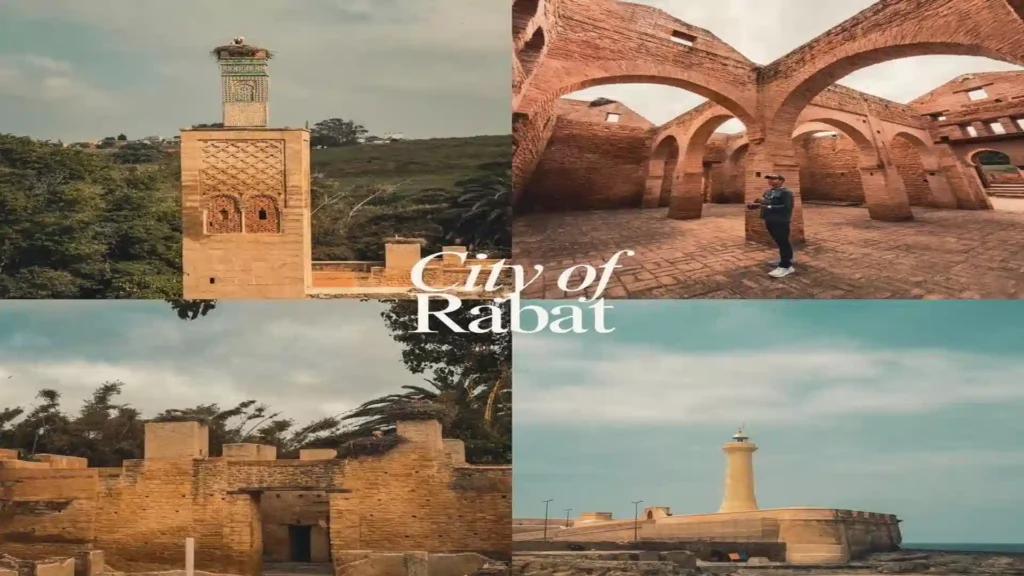
Uncover the coastal charm and ancient ruins of Rabat, Morocco’s capital.
January Cold Nights, Clear Skies, No Crowds
Morocco’s coldest month is January; desert nights near Merzouga dip to near freezing (2-4°C), and the High Atlas gets regular snowfall, but daytime temperatures in Marrakech and the coastal cities stay mild (16-18°C), making it a really good month for city exploration and surprisingly dramatic for winter desert camping.
- Marrakech: 18°C days / 8°C nights pleasant for walking the medina all day without overheating
- Fes and imperial cities: Similar to Marrakech mild days, cold evenings
- Merzouga / Sahara: 18°C days / 2–4°C nights cold enough to require a warm sleeping bag, spectacular for stargazing.
- Essaouira / Atlantic coast: 16–18°C cool, occasionally rainy, not ideal for beach.
- Atlas Mountains: Regular snowfall above 2,000 m at the Oukaimeden ski resort.
- Crowds: Very low medinas and tour departures are quiet.
- Flight prices: Lowest of the year (outside Christmas week)
- Best for: Budget travelers, city culture (hammam, riads, medinas), Atlas skiing, winter desert camp
February Still Cool, Almond Trees Blossom
February continues January’s winter character but with one spectacular addition: the almond tree blossom season in the Tafraoute area of the Anti-Atlas (usually mid-February) and the rose blossom beginning in the Dades Valley, Morocco’s most photogenic seasonal phenomenon, both largely unknown to international tourists.
- Marrakech: 20°C days / 9°C nights, warming slightly from January
- Sahara: 20°C days / 4°C nights, still cold at night but stunning clear skies
- Note for 2026: Ramadan begins approximately February 17, 2026; this significantly changes restaurant hours, alcohol availability, and the general daily rhythm across Morocco. See our Morocco During Ramadan guide for the full picture.
- Crowds: Low to medium, beginning to see early spring bookings
- Best for: Budget travel, anti-Atlas almond blossom, winter desert, budget hikers
March: The Season Turns the Best Moth to Visit Morocco
As Morocco moves from winter into spring in March, temperatures rise week by week, the snow in the Atlas begins to melt to reveal waterfalls and green valley floors, and after the winter chill, the Sahara is back to comfortable riding and trekking temperatures.
- Marrakech: 23°C days / 11°C nights genuinely pleasant, layer in the evenings
- Sahara: 25°C days / 8°C nights, getting warmer, still comfortable for camel trekking
- Atlas Mountains: Snow melting on lower slopes, waterfalls filling, green valleys
- Atlantic coast: Still cool for beach swimming but pleasant for walking Essaouira’s ramparts
- Note for 2026: Ramadan ends approximately March 19, 2026. The final days of Ramadan and Eid al-Fitr (around March 20–21) are a genuinely special but logistically complex time to visit
- Crowds: Building from mid-March, especially around Easter
- Best for: First-time visitors wanting spring prices before peak season, Sahara tours, Atlas trekking beginners
April: The Single Best Month to Visit Morocco
April is the single best month to visit Morocco for most travelers. Marrakech averages a perfect 26°C, the Sahara sits at a comfortable 30°C for desert camping and camel trekking, the Atlas Mountain valleys are green and wildflower-dotted, and the Atlantic coast is warm enough to enjoy without being beach-season crowded.
- Marrakech: 26°C days / 13°C nights, t-shirt days, light jacket for evenings
- Sahara (Merzouga): 30°C days / 12°C nights, ideal for sunset camel treks
- Fes, Meknes, Rabat: 22–24°C in the imperial cities at their finest
- Atlas Mountains: Warm enough for serious trekking, snowmelt waterfalls still flowing
- Atlantic coast (Essaouira, Agadir): 22–24°C pleasant beach walks, sea still cool
- Crowds: Medium-high is the most popular travel window. Book accommodations 4–6 weeks in advance.
- Flight prices: Medium-high rising from March lows
Insider tip: Mid-April weekends are the sweet spot post-Easter school holiday; crowds have thinned slightly, temperatures are at their best, and desert camp availability is better than the Easter weekend peak.
May: Warm and Still Beautiful
May continues April’s excellent conditions with slightly warmer temperatures. Marrakech hits 30°C by late May, which is still manageable but starts to hint at what summer brings.
- Marrakech: 30°C days / 16°C nights warm but manageable with morning/evening activity planning
- Sahara: 35°C days / 17°C nights still excellent for desert tours if you avoid midday activity
- Rose Festival (Dades Valley): Held in May, the annual Kelaat M’Gouna rose harvest festival is one of Morocco’s most beautiful and most overlooked events
- Crowds: Medium between the Easter peak and summer arrivals
- Flight prices: Moderate
- Best for: The Rose Festival, second spring visit, travelers who missed April and want the full experience before summer heat
June: Coast Excellent, Desert Challenging
The month of June marks the beginning of the ideal season along the Atlantic coast (Essaouira, Agadir, and Taghazout), when sea breezes maintain temperatures between 24 and 28 degrees Celsius. On the other hand, Marrakech and the Sahara begin to soar toward unpleasant summer highs.
- Marrakech: 35°C days / 19°C nights hot; heavy activity plan for early morning and evening only
- Sahara: 40°C+ daytime; dune walking is not recommended; camel treks are possible only at dawn
- Atlantic coast (Essaouira, Agadir): 24–26°C perfect, sea breeze keeps it comfortable
- Atlas Mountains: Excellent for trekking above 2,000 m where temperatures stay cool
- Crowds: Building on the coast, thinning on the inland tourist trail
- Flight prices: Rising sharply toward summer peak
- Best for: Beach lovers, Atlantic coast travelers, high Atlas trekkers, surfers (Taghazout)
July and August: Avoid Inland, Discover the Coast
During the months of July and August, Morocco experiences its harshest summer weather. Temperatures in Marrakech and the Sahara often approach 40 degrees Celsius, while Merzouga experiences daytime highs of 45 degrees Celsius. However, Essaouira and Agadir stay comfortable at 24–28 degrees Celsius because of the Atlantic trade wind, which makes the coast of Morocco the greatest summer destination in Morocco.
- Marrakech: 38–40°C days / 22°C nights exhausting for Medina walking; major monuments require very early starts
- Sahara (Merzouga): 44–46°C, dangerous for extended outdoor activity. We do not run camel treks in the middle of the day. Desert tours operate dawn and dusk only.
- Essaouira: 24–26°C perfect beach conditions, windy and fresh
- Agadir: 28°C Morocco’s most beach-holiday-appropriate city at peak season
- Atlas Mountains (above 2,500 m): Excellent, cool, clear, and ideal for Mount Toubkal trekking
- Crowds: Highest of the year on the coast and in major cities
- Flight prices: Highest of the year
Our operational advice: After 14 years of operating desert excursions from Marrakech, the months of July and August are the ones in which we most frequently recommend to our customers that they either reroute their trip to the coast or reschedule it for the month of October. The heat in Merzouga during the height of summer is not a romantic experience; rather, it is a very draining experience.
September: The Best Month Nobody Talks About and Top Morocco Weather by Month
In September, Morocco’s most underrated travel month, temperatures begin dropping from their August peak, the Sahara cools to 38°C and falls, Marrakech becomes manageable again by mid-month, and crowds thin sharply after the European summer holiday exodus.
- Marrakech: Early September 33°C → late September 28°C, a noticeable shift across the month
- Sahara: Early September 38°C → late September 30°C, returning toward comfortable
- Atlantic coast: Warmest sea temperatures of the year in Agadir and Essaouira at their best for swimming
- Crowds: Dropping rapidly after the September 1 French and Spanish school holidays end
- Flight prices: Falling from the August peak good value window, especially late September
- Best for: Travelers who can be flexible with dates, the late summer coast, and transitional desert touring
October: Equal to April, Often Better Value
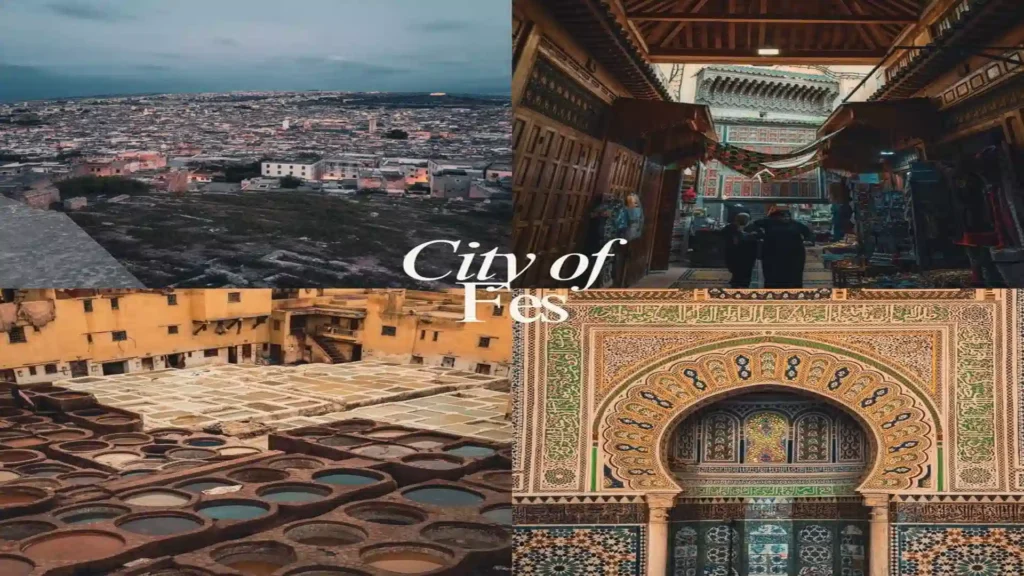
Step back in time among the leather tanneries and ancient medina alleys of Fes.
September is the second-best month to visit Morocco, matching April’s ideal conditions with one practical advantage: flight prices and accommodation costs are typically lower than the spring peak, and the post-summer crowd reduction means a significantly more relaxed experience across all destinations. October is the second-best month to visit Morocco.
- Marrakech: 27°C days / 15°C nights, perfect for full-day Medina exploration without heat stress
- Sahara: 30°C days / 14°C nights, the best desert camping month of the year
- Fes and imperial cities: 24°C, the tanneries, medina walks, and architectural monuments at their best
- Atlas Mountains: Excellent for trekking warm days, cold nights, and the red and gold colors of autumn foliage in the Ourika Valley
- Crowds: Medium busy but not overwhelmed
- Flight prices: Medium good value compared to April
Insider tip: Warm days, chilly starry nights in the desert, and mostly empty riads are all characteristics of the month of October, which may be described as the single quietest and most pleasant window of the whole year. This window occurs after the half-term vacations for schools in the United Kingdom, France, and Spain.
November: Underrated, Excellent Value
Morocco’s travel season quietly shifts from mainstream to value in November. This is the month when crowds drop noticeably, prices for accommodations fall, temperatures remain pleasant in the south (20–22 degrees Celsius in Marrakech), and the desert enters its most atmospheric season with cold nights and absolutely clear skies for stargazing.
- Marrakech: 22°C days / 11°C nights; a light jacket is needed in the evenings
- Sahara: 24°C days / 9°C nights, sleeping bag essential, stargazing extraordinary
- Northern Morocco (Chefchaouen, Rif Mountains): Occasional rain, vivid green hillsides
- Atlantic coast: Sea cooling, fewer beach swimmers, but Essaouira is still walkable and beautiful
- Crowds: Low, one of the quietest months
- Flight prices: Some of the lowest of the year
- Best for: Budget travelers, repeat visitors, photographers, digital nomads wintering in Morocco
December: City Culture and Winter Desert Magic Best Time To Visit Sahara Desert Morocco
December is a genuinely special month in Morocco; the combination of low tourist density, low prices, and the festive atmosphere around Christmas week (when prices briefly spike before dropping again for the rest of winter) makes it an excellent value window for travelers who can travel mid-December or after Boxing Day.
- Marrakech: 18°C days / 8°C nights chilly but perfectly comfortable for Medina walking with a jacket
- Sahara: 18°C days / 4°C nights; very cold at night; pack a warm sleeping bag and thermal layers
- Atlas Mountains: Snow on peaks above 2,000 m. Oukaimeden ski resort opens
- Christmas and New Year: Brief price spike around December 25–January 1; otherwise excellent value
- Best for: Christmas and New Year travel, budget travelers willing to layer up, Riad culture immersion, non-commercial Sahara experience
Best Time to Visit Morocco by Region
Morocco’s diverse geography means no single season is simultaneously best for every region. The Atlantic coast peaks in summer when the Sahara is too hot to visit comfortably, while the Sahara and Atlas Mountains peak in spring and autumn when the coast is cool and sometimes rainy. Planning your itinerary around this regional variation is the key skill in choosing the best time to visit Morocco.
| Region | Best Months | Avoid |
|---|---|---|
| Marrakech city | March–May, September–November | July–August (extreme heat) |
| Sahara / Merzouga / Erg Chebbi | October–April | June–September (extreme heat) |
| Fes, Meknes, Rabat (imperial cities) | March–May, September–November | July–August |
| Chefchaouen / Rif Mountains | March–May, September–October | November–February (rain), July–August (heat) |
| Essaouira / Agadir (Atlantic coast) | May–September | November–February (cold, rainy) |
| High Atlas trekking (Toubkal) | May–September | November–March (snow risk on summit) |
| Atlas skiing (Oukaimeden) | January–February | Not applicable |
| Draa Valley / Zagora | October–April | June–September |
Best Time to Visit Morocco for a Sahara Desert Tour
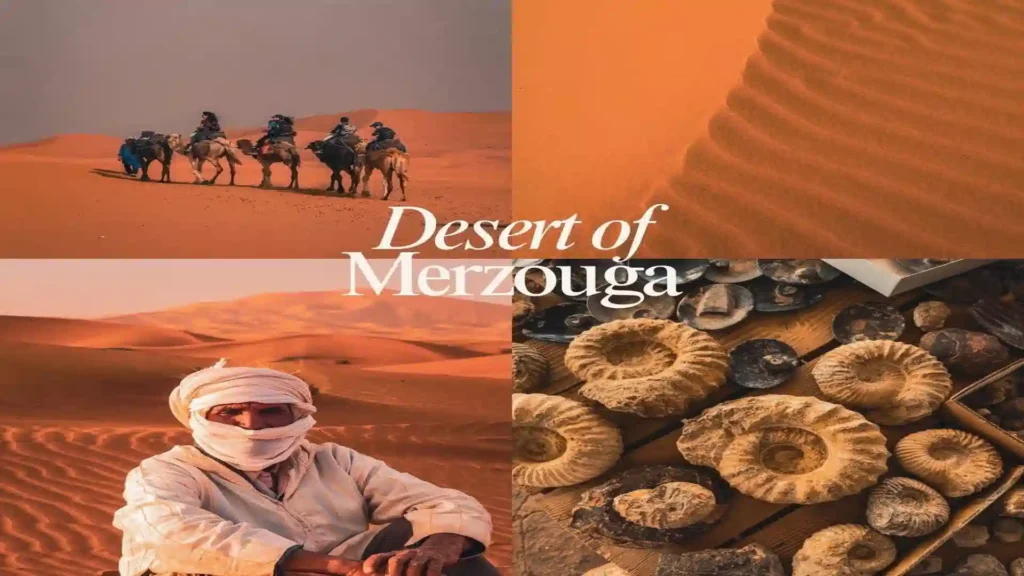
Experience camel trekking, towering sand dunes, and desert heritage in Merzouga.
The ideal months for a Sahara desert tour from Marrakech are October, November, March, and April, when Erg Chebbi daytime temperatures sit at 25–30°C (comfortable for camel trekking) and desert camp nights are cool enough for genuine stargazing without being uncomfortably cold. Based on our operational data running desert tours year-round, these four months produce the highest client satisfaction scores.
Month-by-month Sahara touring verdict:
- October–November: Our top recommendation is daytime perfect, nights atmospheric and cold, and skies absolutely clear
- December–February: Possible but cold pack thermal layers for camp, dramatically beautiful and uncrowded
- March–April: Excellent warming dunes, good for photographers, last comfortable window before summer
- May: Acceptable, but getting hot early morning and evening tours only recommended
- June–September: Not recommended for desert camping; 44°C+ daytime temperatures are genuinely dangerous for extended camel trekking
Morocco Weather and Ramadan: How It Affects Your Visit
If there is one thing that alters the experience of traveling to Morocco more than any other weather pattern, it is Ramadan. Restaurant hours shift dramatically, it is more difficult to find alcohol, and the general daily rhythm of the country operates differently. However, experienced travelers consistently rate Ramadan as one of the most atmospheric times to visit Morocco. See our comprehensive guide to Morocco during Ramadan for a comprehensive explanation of the situation.
- 2026 Ramadan dates: Approximately February 17 – March 19, 2026
- 2027 Ramadan dates: Approximately February 6 – March 8, 2027
If your trip overlaps with Ramadan, the most practical approach is to lean into it: eat iftar (the fast-breaking meal after sunset) with locals, experience the late-night Medina energy unique to the holy month, and plan your activities around the evening rather than midday.
Frequently Asked Questions: Best Time to Visit Morocco
What is the best month to visit Morocco for the first time?
April or October both offer comfortable temperatures everywhere in the country simultaneously (Marrakech, Sahara, Atlas Mountains, and Atlantic coast), manageable but not overwhelming crowds, and prices that are reasonable without being the lowest of the year.
Is Morocco too hot in summer?
For inland travel, Marrakech, Fes, and especially the Sahara in July and August are genuinely challenging, with temperatures exceeding 40–45°C. The Atlantic coast (Essaouira, Agadir, and Taghazout) is an exception, staying comfortable at 24–28°C thanks to Atlantic trade winds.
Can you visit Morocco in winter?
Yes, December through February is excellent for city sightseeing and imperial city exploration, good for budget travelers, and atmospheric in the Sahara despite cold nights. The main consideration is packing warm layers, particularly for desert camps and Atlas Mountain stops.
What is the best time to visit Morocco for the Sahara Desert?
October through April is the ideal window. October and November are the peak for comfort and stargazing clarity. March and April are excellent before the heat builds. December through February is possible but cold at night; pack accordingly.
When is Morocco most affordable to visit?
November through February (excluding Christmas week and New Year) offers the lowest flight prices and accommodation rates, with the best chance of negotiating discounts on tours and riads during the quiet season.
Is March a good time to visit Morocco?
Yes, March is an excellent month, especially the second half once winter rain reduces. Note that Ramadan begins approximately February 17 in 2026, so March visits fall during Ramadan, which changes the daily rhythm significantly.
When is the best time to visit Marrakech specifically?
March through May and October through November are the best months for Marrakech daytime temperatures between 20 and 28°C, allowing full days of Medina exploration without heat stress.
Plan Your Morocco Trip Around the Right Season
Understanding when to visit Morocco is the first step. The second is matching your dates to the right itinerary a desert tour that works perfectly in October needs different packing and timing than the same route in February.
At Over Morocco Tours, our private desert tours from Marrakech run year-round, and we tailor every itinerary to the season: cooler months get earlier camel trek departures to hit the dunes at golden hour; warmer months prioritize morning departures and longer camp times; winter tours add a warm sleeping bag to every overnight.
Based in Marrakech. We run tours in every season and will tell you honestly what to expect on your specific dates.
Browse Desert Tours by Month →
Contact Us to Plan Around Your Dates →
Morocco Travel Tips by Season: What to Pack and Expect
One of the most common mistakes that tourists make when packing is carrying the same suitcase for a trip to Marrakech in the spring and for a tour of the Sahara Desert in the summer. The temperatures in Morocco vary greatly from season to season and area to region, and the appropriate levels of preparedness are subject to major shifts from one month to the next. Prior to departure, our guides always make sure to remind our customers the following:
Spring (March–May):
- T-shirts and breathable layers for daytime
- A light jacket or fleece for evenings in the medina and desert camp nights
- Sun protection is essential even in mild weather Morocco’s UV index is high year-round
- Comfortable walking shoes for Medina cobblestones
Summer (June–August) inland travel:
- Loose, breathable, light-colored clothing covering shoulders and knees for cultural respect and sun protection simultaneously
- A wide-brimmed hat and high-SPF sunscreen non-negotiable
- Plan all significant activity before 10 AM and after 5 PM
- Carry a 1.5–2 liter water bottle and refill constantly
Summer (June–August) Atlantic coast:
- Swimwear and beach cover-ups
- A windproof layer for Essaouira (the “Windy City” earns its name)
- Light sun protection
Autumn (September–November):
- Similar to spring light daytime layers, warmer evening layers
- The desert cools sharply in October and November; a sleeping bag rated at 5°C is recommended for desert camp nights
Winter (December–February):
- Warm jacket, thermal base layer, and wool or fleece mid-layer
- For desert camps: sleeping bags rated to 0°C or below are needed for desert nights in December and January, which are genuinely cold
- Waterproof layer for the northern cities and Atlantic coast
For a complete, region-specific packing list, see our What to Pack for Merzouga Desert guide, which covers every season in detail.