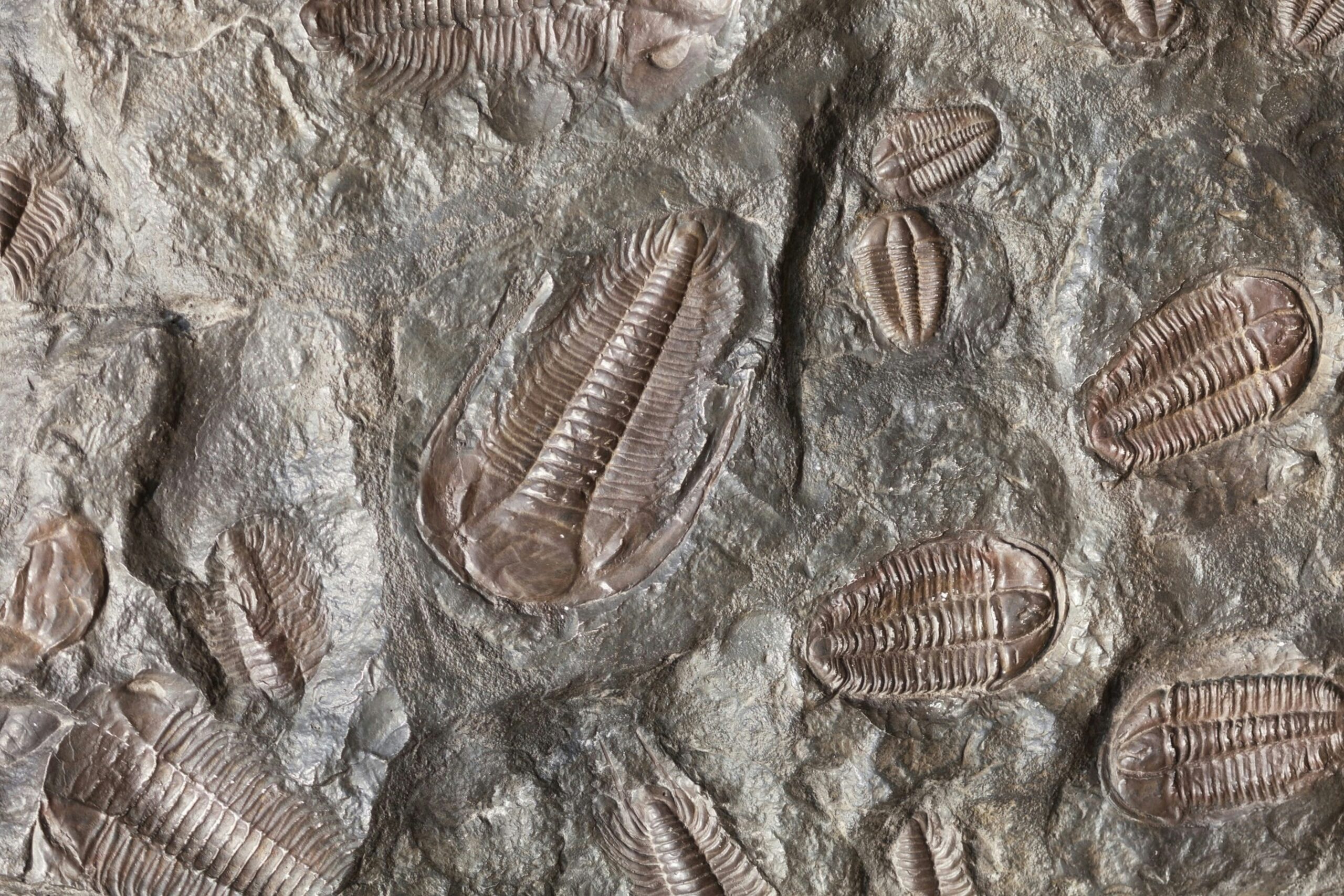
Authentic Morocco Fossil Expeditions: The Ultimate Sahara Paleontology & Geological Field Guide
Imagine holding an intact piece of prehistoric history—dating back more than 540 million years—right in the palm of your hand. While the vast majority of international travelers venture into the Moroccan Sahara simply to marvel at the shifting golden dunes of Erg Chebbi, a completely different, ancient world lies hidden just beneath the desert sands. Through our signature authentic Morocco fossil expeditions, Over Morocco Tours invites you on an immersive journey into our planet’s deep geological past. Whether you are a seasoned academic paleontologist, an enthusiastic amateur rockhound, or a family seeking an unforgettable educational adventure, our custom-tailored Morocco fossils tours provide an unparalleled, hands-on look into the ancient earth.
This is not a passive sightseeing trip; it is an active, hammer-in-hand exploration of one of the richest geological repositories on the face of the globe. By participating in these authentic Morocco fossil expeditions, you aren’t just visiting a destination—you are actively unearthing history. Our specialized paleontology excursions Merzouga are engineered to showcase this incredible structural layout. From the rich trilobite beds of Alnif to the towering dinosaur-era cliffs of the Kem Kem Beds, Morocco offers a continuous, unbroken narrative of life on Earth. By joining our Merzouga prehistoric tours, you gain direct access to private, highly productive dig sites that are completely inaccessible to the standard tourist trade.
Table of Contents
Why the Moroccan Sahara is a Global Paleontology Phenomenon
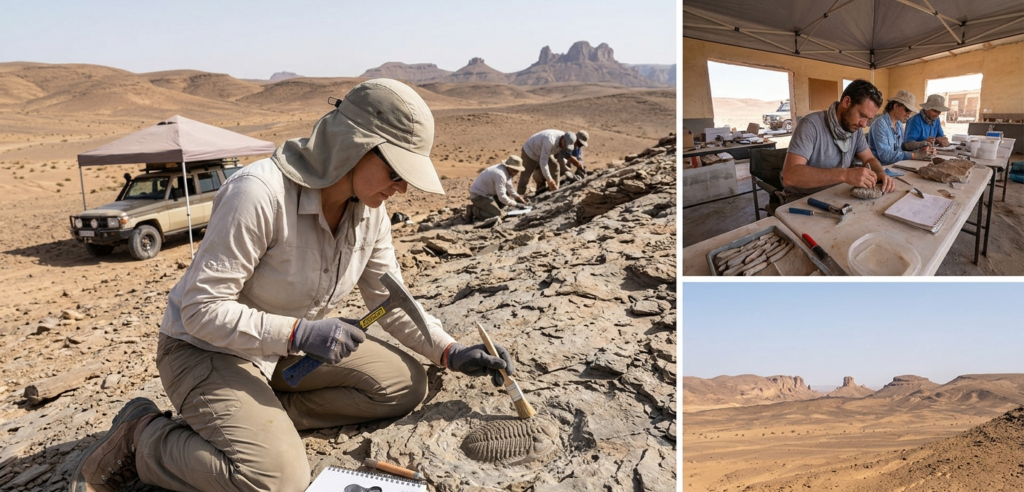
To understand why researchers, museum curators, and collectors converge on this specific corner of North Africa, one must look at the unique tectonic and environmental history of Morocco. The anti-Atlas mountain range and the neighboring Saharan basins serve as a literal time capsule. Because of specific geological uplifting events and minimal dense vegetation cover, massive sedimentary strata from the Paleozoic and Mesozoic eras sit perfectly exposed to the elements.
In many parts of the world, fossil-bearing rock strata are buried beneath hundreds of meters of topsoil, dense forests, or modern urban infrastructure. In the Moroccan desert, these ancient layers are stripped bare by millions of years of wind erosion. This creates an open-air laboratory where you can literally walk across a valley floor and step from the Cambrian period directly into the Ordovician or Devonian periods within a few paces.
+--------------------------------------------------------------------------+
|                       SAHARAN GEOLOGICAL TIMELINE                        |
+--------------------------------------------------------------------------+
| ERA      | PERIOD     | EPOCH      | PRIMARY SPECIES & SPECIMENS         |
+----------+------------+------------+-------------------------------------+
| Mesozoic | Cretaceous | Late       | Spinosaurus, Carcharodontosaurus    |
+----------+------------+------------+-------------------------------------+
| Paleozoic| Devonian   | Middle     | Orthoceras, Ammonites, Phacopida    |
+----------+------------+------------+-------------------------------------+
| Paleozoic| Ordovician | Early      | Calymene, Flexicalymene Trilobites  |
+----------+------------+------------+-------------------------------------+
| Paleozoic| Cambrian   | Early      | Paradoxides, Cambropallas           |
+----------+------------+------------+-------------------------------------+
Our highly requested paleontology excursions Merzouga are meticulously structured to navigate these exact rock formations. For travelers seeking true scientific depth, our Morocco fossils tours provide deep context, pairing you with local desert experts who understand the exact stratigraphy of the terrain. When you sign up for our authentic Morocco fossil expeditions, you bypass the generic tourist pathways and gain access to active, working paleontology sites.
The Master Geological Timeline: Tracking Prehistoric Life in the Desert
To get the absolute most value out of your field experience, it helps to understand the chronological sequence of the rock layers we will be exploring. The desert is structured like pages in a massive stone book. Our authentic Morocco fossil expeditions are designed to guide you through these chapters systematically, ensuring a comprehensive understanding of the structural changes that shaped North Africa.
The Paleozoic Era: The Ancient Marine Kingdom
Hundreds of millions of years ago, long before the supercontinent Pangaea fractured into our modern continents, Morocco was positioned near the South Pole and submerged under a vast, chilly sea known as the Rheic Ocean. This setting allowed marine life to diversify at an astronomical rate, leaving behind billions of shells, exoskeletons, and structures that formed the bedrock of the modern desert.
The Cambrian Explosion and Alnif’s Legendary Trilobite Beds
Our deep-time journey typically starts in the small, unassuming village of Alnif, nestled at the base of the rugged Jbel Saghro range. This area is globally famous for trilobite hunting Morocco, serving as the absolute epicenter for Cambrian-era discoveries. During the Cambrian explosion, life developed hard exoskeletons for the very first time.
In the mudstones and shales surrounding Alnif, we hunt for the massive Paradoxides and the wide-bodied Cambropallas trilobites. These ancient arthropods scurried across the murky ocean floor over 500 million years ago. If your main goal is trilobite hunting Morocco, Alnif will undoubtedly be the highlight of your entire trip. Extracting them requires a trained eye, as they are often encased inside hard, nodular rocks that must be carefully split along natural cleavage planes using specialized field hammers.
The Ordovician Radiations and Fezouata Shale Discoveries
As we move chronologically forward into the Ordovician period, the marine environments transitioned, giving rise to incredibly unique preservation windows. The nearby Fezouata Shale formations have revolutionized modern paleontology by preserving not just the hard shells of ancient organisms, but also soft-tissue impressions.
On our advanced Morocco fossils tours, we examine these unique layers where delicate structures like gills, feeding appendages, and soft digestive tracts of early marine life have been turned to stone. Here, we encounter beautifully preserved Calymene and Flexicalymene trilobites, often found in brilliant orange and deep red hues due to iron mineralization over millions of years. This unique destination is a major focal point for our comprehensive paleontology excursions Merzouga.
The Devonian Marine Abundance of Erfoud
The Devonian period is widely known as the “Age of Fishes,” but in the region of Erfoud, it was also the age of spectacular cephalopods. The vast limestone quarries surrounding Erfoud are packed solid with millions of prehistoric marine creatures. As you walk through these active quarry sites during our authentic Morocco fossil expeditions, you will see the stone beneath your boots gleaming with the distinctive patterns of Orthoceras and Ammonites.
Orthoceras were straight-shelled ancestors of the modern squid, featuring long, conical shells divided into internal chambers that controlled buoyancy. Ammonites, on the other hand, sported beautifully coiled, spiral shells that showcase geometric perfection. Over millions of years, these dense marine die-offs settled into the dark, organic-rich mud of the sea floor. Under immense geological pressure and heat, this mud transformed into dense, polishable limestone—giving rise to the world-renowned Moroccan fossil marble, which is heavily featured on all our Morocco fossils tours.
Highlighting Our Premium Merzouga Prehistoric Tours: The Gateway to the Mesozoic
While the Paleozoic beds offer an incredible window into marine invertebrates, the landscape transitions dramatically as you move toward the majestic dunes of Erg Chebbi. This is where our premium Merzouga prehistoric tours truly shine, taking you out of the ancient seas and plunging you headfirst into the terrestrial worlds of the Mesozoic Era.
+-------------------------------------------------------------------------+
|                  MERZOUGA PREHISTORIC TOURS HIGHLIGHTS                  |
+-------------------------------------------------------------------------+
| FIELD LOCATION       | TACTICAL OBJECTIVE     | DISCOVERY EXPECTATIONS  |
+----------------------+------------------------+-------------------------+
| Kem Kem Escarpment   | Stratigraphic Survey   | Theropod Teeth & Bones  |
+----------------------+------------------------+-------------------------+
| Taouz Beds           | Surface Prospecting    | Crocodylomorph Armor    |
+----------------------+------------------------+-------------------------+
| Erg Chebbi Borders   | Sifting Sand Matrix    | Micro-vertebrate Teeth  |
+----------------------+------------------------+-------------------------+
The Cretaceous River Systems: A Desert Swarming with Giants
Approximately 95 to 100 million years ago, the region encompassing modern Merzouga was a far cry from the arid, sun-bleached landscape we see today. Geological data collected during our paleontology excursions Merzouga indicates that this area was once an expansive, hyper-diverse mangrove and river system. Large, slow-moving rivers cut across the landscape, creating a highly productive ecosystem that supported some of the largest predators to ever walk—and swim—on Earth.
This unique Cretaceous environment is preserved within the world-famous Kem Kem Group (often referred to as the Kem Kem Beds). This massive geological formation stretches along the border between Morocco and Algeria, featuring prominent, flat-topped escarpments that dominate the desert horizon. What makes the Kem Kem Beds so scientifically fascinating—and highly attractive for our Merzouga prehistoric tours—is an ecological phenomenon known as the “Kem Kem Predator Paradox.”
In most modern and ancient ecosystems, the biomass of herbivorous animals heavily outweighs that of carnivorous predators. However, the fossil records within the Kem Kem strata reveal an ecosystem heavily dominated by large, meat-eating dinosaurs and giant crocodylomorphs, with relatively few large herbivores. Our expert-led Morocco fossils tours allow you to explore these precise layers, helping you discover the isolated teeth, scales, and bone fragments that help scientists solve this ancient puzzle. For travelers looking to understand the dinosaur age, our Merzouga prehistoric tours offer an unrivaled window into the past.
Detailed Profiles of Iconic Saharan Species You Can Find
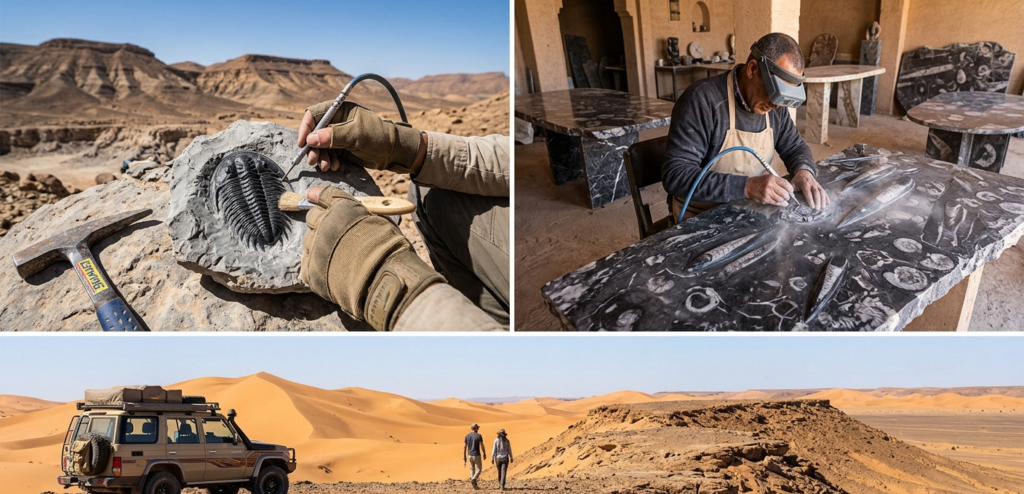
During our authentic Morocco fossil expeditions, you aren’t just looking for generic rocks. You will learn to identify specific, iconic prehistoric species that once ruled this region. Here are the primary targets we focus on during our field operations:
Spinosaurus aegyptiacus: The Aquatic River King
The undisputed star of the Kem Kem Beds is Spinosaurus aegyptiacus, an absolute monster of a theropod that grew up to 15 meters long, easily eclipsing the North American Tyrannosaurus rex. Spinosaurus was highly specialized for an aquatic lifestyle, possessing dense bones for buoyancy control, elongated jaws lined with conical, unserrated teeth designed for catching slippery fish, and a massive, sail-like structure supported by elongated neural spines along its back.
On our Merzouga prehistoric tours, we frequently discover the distinct, robust teeth of Spinosaurus embedded within the coarse sandstone layers of the Kem Kem escarpments. These teeth are easily recognizable by their fine vertical ridges and circular cross-sections, giving you a tangible connection to one of the most enigmatic predators in evolutionary history. Identifying these theropod elements is a major milestone on our paleontology excursions Merzouga.
+--------------------------------------------------------------------------+
|                  SPINOSAURUS VS. TYRANNOSAURUS COMPARISON                |
+--------------------------------------------------------------------------+
| FEATURE             | SPINOSAURUS AEGYPTIACUS | TYRANNOSAURUS REX        |
+---------------------+-------------------------+--------------------------+
| Maximum Length      | 15 - 16 Meters          | 12 - 13 Meters           |
+---------------------+-------------------------+--------------------------+
| Primary Habitat     | Semi-Aquatic Rivers     | Terrestrial Floodplains  |
+---------------------+-------------------------+--------------------------+
| Tooth Structure     | Conical, Unserrated     | Thick, Serrated "Bananas"|
+---------------------+-------------------------+--------------------------+
| Unique Anatomy      | Dorsal Sail & Paddle Tail| Massive Crushing Jaws    |
+---------------------+-------------------------+--------------------------+
Carcharodontosaurus saharicus: The “Shark-Toothed” Terror
Sharing the ancient river deltas with Spinosaurus was Carcharodontosaurus saharicus, a colossal land-based predator whose name literally translates to “shark-toothed lizard.” Unlike the fish-eating Spinosaurus, Carcharodontosaurus was built to hunt large terrestrial prey. Its teeth are flat, blade-like, and heavily serrated along both edges, designed specifically to inflict deep, slicing wounds. Finding an intact, sharp Carcharodontosaurus tooth during our paleontology excursions Merzouga is an exhilarating experience that highlights the ferocious nature of the Cretaceous Sahara.
Onchopristis numidus: The Colossal Prehistoric Sawfish
The waters of the ancient Saharan river systems were just as dangerous as the land. One of the primary food sources for Spinosaurus was Onchopristis numidus, a giant prehistoric sawfish that reached lengths of up to 8 meters. This massive fish possessed a long, flat snout lined with sharp, barbed teeth along the sides, much like a modern sawfish.
As we prospect the rich gravel beds during our Morocco fossils tours, we frequently discover the isolated, barbed rostral teeth of Onchopristis. These distinct fossils serve as clear evidence of the immense scale of the aquatic life that once flourished in this now-arid desert environment.
Inside the “Fossil Capital”: An In-Depth Tour of Erfoud’s Master Artisan Workshops
To fully round out your authentic Morocco fossil expeditions, we journey to the bustling oasis town of Erfoud. Recognized globally as the “Fossil Capital of the World,” Erfoud serves as the commercial hub for the processing, preparation, and trade of Moroccan minerals and paleontological specimens. Here, the ancient geological wealth of the desert is transformed into spectacular works of functional art and museum-grade displays.
The Engineering of Fossil Extraction: From Quarry to Lab
The process of preparing a fossil begins long before it reaches the workshop. Our guests get a firsthand look at the incredible physical labor required to harvest fossil-bearing limestone from the rugged hillside quarries. Using a combination of heavy machinery, traditional steel wedges, and sledgehammers, local quarrymen isolate massive blocks of dense, dark marble that weigh several tons.
These blocks are then carefully transported to the artisan facilities in Erfoud. Because the stone is incredibly hard, working with it requires specialized industrial equipment and a profound understanding of rock mechanics. Our Morocco fossils tours provide exclusive, behind-the-scenes access to these private workshops, allowing you to witness the entire production line.
+-------------------------------------------------------------------------+
|                  THE FOSSIL PROCESSING PIPELINE                         |
+-------------------------------------------------------------------------+
| PHASE                | TOOLS UTILIZED         | CORE OBJECTIVE          |
+----------------------+------------------------+-------------------------+
| 1. Extraction        | Wedges, Sledges, Cranes| Isolate Heavy Slabs     |
+----------------------+------------------------+-------------------------+
| 2. Slabbing          | Massive Diamond Saws   | Slice Raw Material      |
+----------------------+------------------------+-------------------------+
| 3. Micro-Prep        | Pneumatic Air-Scribes  | Reveal Fine Exoskeletons|
+----------------------+------------------------+-------------------------+
| 4. Final Polish      | Water-Cooled Grinders  | Enhance Matrix Contrast |
+----------------------+------------------------+-------------------------+
The Art of Micro-Preparation: Revealing Ancient Anatomy
While large diamond-tipped saws are used to cut the massive limestone blocks into slabs for tables, sinks, and fountains, a completely different level of precision is required for delicate specimens like trilobites. In the specialized preparation labs, you will see master Moroccan technicians sitting hunched over blocks of stone, working under high-magnification lenses.
Using pneumatic air-scribes—vibrational tools that act like miniature jackhammers—these artisans carefully chip away the hard limestone matrix millimeter by millimeter. It takes years of daily practice to feel the subtle difference in resistance when the tool tip passes from the waste rock to the delicate, calcified shell of a 400-million-year-old trilobite. If you are focused primarily on trilobite hunting Morocco, seeing this preparation work firsthand adds tremendous appreciation for the final piece. The goal is to free the specimen from the stone, leaving it perfectly exposed on a natural rock pedestal.
Socio-Economic Impact: Supporting Desert Communities
An important aspect of our authentic Morocco fossil expeditions is emphasizing the positive ethical impact of sustainable eco-tourism. The fossil and mineral industry in Erfoud and the surrounding villages is not just a commercial trade; it is the economic backbone of the entire region. This traditional trade provides a vital source of income for more than 50,000 local Moroccan families, artisans, and rural Berber communities. By working directly with these local workshops, Over Morocco Tours ensures that your journey directly supports fair-trade practices and helps preserve this incredible craftsmanship for future generations.
The Field Manual: Identifying Fakes & Verifying Authenticity
As the global popularity of paleontology continues to skyrocket, the commercial marketplace has naturally seen an increase in manufactured fakes, casted reproductions, and overly restored specimens. For an untrained traveler buying souvenirs along the roadside, it is incredibly easy to mistake a molded plastic resin replica for a genuine 450-million-year-old fossil. At Over Morocco Tours, authenticity is our absolute core value. During our Merzouga prehistoric tours, our geologically trained guides teach you how to analyze specimens like a professional field scientist.
1. The Microscopic Inspection: Hunting for Air Bubbles
One of the most common methods for fabricating fake trilobites or dinosaur bones involves pouring a mixture of powdered local stone and liquid epoxy resin into a silicone mold. Once cured, these casts are glued onto a genuine piece of limestone matrix to look authentic.
To spot this, inspect the specimen closely using a high-magnification jeweler’s loupe or a simple magnifying glass. Look closely at the deep crevices where the fossil meets the rock. If you spot tiny, perfectly circular pinpricks, you are looking at trapped air bubbles that formed as the liquid resin cured. True fossilized stone will never contain these artificial air pockets, a concept we emphasize thoroughly on all our Morocco fossils tours.
2. The Structural Defect Test: Embracing Natural Imperfections
Nature is rarely perfect. When an ancient marine animal died and was buried under millions of tons of sediment, it was subjected to immense tectonic forces, shifting fault lines, and uneven pressure. As a result, genuine fossils almost always exhibit minor structural defects, subtle distortions, asymmetrical compressions, or natural fractures that have been filled with crystalline calcite veins over time.
If you are shown a trilobite that is perfectly symmetrical, flawless in its curvature, and possesses a completely uniform, glassy texture without a single crack or blemish, you should proceed with extreme caution. True fossils tell a story of geological survival, and their minor imperfections are often the best proof of their ancient origin. Understanding these details is an integral part of our specialized paleontology excursions Merzouga.
3. Ultraviolet (UV) Light Analysis
When we return to our base camps after a productive day of trilobite hunting Morocco, we often utilize ultraviolet light to inspect complex specimens. Modern glues, synthetic resins, and plastic fillers fluoresce very differently under UV light compared to natural minerals and ancient bone matrices. When exposed to a UV flashlight in a darkened room, a fabricated or heavily altered fossil will light up with bright, patchy neon colors, clearly exposing where the synthetic patches end and the real stone begins.
+--------------------------------------------------------------------------+
|                     GENUINE VS. FABRICATED FOSSIL CHECKLIST              |
+--------------------------------------------------------------------------+
| PARAMETER          | GENUINE SPECIMEN         | FABRICATED REPLICA       |
+--------------------+--------------------------+--------------------------+
| Surface Texture    | Shows natural fractures  | Smooth, glassy, uniform  |
+--------------------+--------------------------+--------------------------+
| Micro-Features     | Tiny calcite veins       | Pinprick air bubbles     |
+--------------------+--------------------------+--------------------------+
| UV Light Reaction  | Uniform dull fluorescence| Bright, glowing seams    |
+--------------------+--------------------------+--------------------------+
| Weight & Density   | Feels heavy like stone   | Noticeably light/plasticky|
+--------------------+--------------------------+--------------------------+
Beyond Dinosaurs: Morocco’s Critical Role in the Story of Human Origins
While the allure of finding ancient marine invertebrates or giant Cretaceous reptiles draws thousands of enthusiasts into the desert, Morocco also holds an elite status in the study of our own species. Anthropological and archaeological breakthroughs over the past few decades have positioned this North African nation at the very center of the human evolutionary narrative.
The Jebel Irhoud Discoveries: Redefining the Cradle of Humanity
For many years, the prevailing scientific consensus asserted that modern Homo sapiens evolved in East Africa roughly 200,000 years ago. However, groundbreaking excavations at the Jebel Irhoud archaeological site, located between Safi and Marrakech, completely upended this long-standing theory.
Researchers unearthed fossilized skull fragments, jawbones, and stone tools belonging to early modern humans. Using advanced thermoluminescence dating techniques, scientists determined that these remains were an astonishing 300,000 years old. This monumental discovery pushed the documented origins of our species back by 100,000 years and proved that our evolutionary journey was a continent-wide process.
When you book an authentic Morocco fossil expedition, you are doing far more than just looking at ancient rocks. You are walking directly through the cradle of modern human development, bridging the gap between ancient Paleozoic seas, Mesozoic monster rivers, and the very earliest steps taken by our prehistoric ancestors.
What to Expect in the Field: Logistics, Safety, and Equipment
A successful field expedition requires meticulous planning, rugged equipment, and an uncompromised focus on safety. Desert environments can be incredibly harsh, and operating in remote dig sites demands professional execution. Here is a detailed breakdown of how Over Morocco Tours manages your field logistics to ensure a seamless, productive, and comfortable experience on our Merzouga prehistoric tours:
Professional Field Equipment Provided
We don’t expect our guests to pack heavy industrial tools in their airline luggage. Over Morocco Tours provides all participants with professional-grade geological field gear, ensuring you have the exact tool needed for every specific rock matrix:
Estwing Geological Rock Hammers: The gold standard for field geologists, featuring forged single-piece steel construction with a pointed pick end for delicate prying and a square face for splitting hard rock.
Hardened Steel Chisels: Essential for precision work, allowing you to focus your hammer strikes to carefully cleave matrix blocks away from delicate fossil edges.
Safety Eye Protection: High-impact safety glasses are mandatory at all our dig sites to protect your eyes from flying stone chips and razor-sharp flakes of shale.
Field Magnifiers & Loupes: 10x magnification lenses used to inspect fine structural details on newly exposed specimens directly out of the ground.
Transport and Navigation: Our Heavy-Duty 4×4 Fleet
Getting to active, productive fossil beds requires leaving the asphalt roads far behind. Our authentic Morocco fossil expeditions utilize a fleet of modern, meticulously maintained, air-conditioned 4×4 vehicles (such as Toyota Land Cruisers). These rugged vehicles are specifically modified to handle soft desert sand, sharp rocky tracks, and steep mountain passes safely.
Each vehicle serves as a fully equipped mobile base camp, carrying heavy recovery gear, satellite communication devices, advanced first-aid kits, and an abundant supply of chilled bottled water, refreshing snacks, and pop-up shade canopies to keep you comfortable during peak midday sun hours. This ensures that all our paleontology excursions Merzouga maintain the highest standards of safety and comfort.
Family-Friendly Expeditions: Designing Safe Adventures for Young Paleontologists
We firmly believe that some of the best educational experiences happen outside of a traditional school classroom. Our Merzouga prehistoric tours and fossil safaris are deliberately structured to be highly accessible and deeply engaging for families traveling with children.
We carefully select specific field locations that require minimal strenuous hiking or dangerous climbing. For example, the open shale beds near Alnif or the soft gravel deposits around Merzouga allow children to safely wander, flip over stones, and discover genuine 95-million-year-old dinosaur teeth or ancient marine fossils completely on their own. Our tailored Morocco fossils tours make safety the absolute highest priority, giving parents peace of mind while exploring remote locations. Watching a child naturally connect with deep-time history by uncovering their very own fossil specimen is an unforgettable memory that far outshines any textbook illustrations.
The Complete Field Gear Checklist for Travelers
To ensure your maximum comfort and safety while out prospecting in the desert sun during our paleontology excursions Merzouga, we highly recommend packing according to this comprehensive gear list:
Sun Protection Apparel: High-SPF broad-spectrum sunscreen, wide-brimmed safari hats with neck flaps, and polarized sunglasses to combat intense desert glare.
Lightweight, Breathable Layers: Long-sleeved linen or high-tech moisture-wicking shirts and durable trail pants to protect your skin from sharp rocks and sun exposure.
Sturdy Field Footwear: Broken-in hiking boots with thick, puncture-resistant soles and excellent ankle support for traversing loose, jagged scree slopes.
Durable Work Gloves: Light leather or reinforced utility gloves to protect your hands from blisters and sharp edges when handling heavy rock hammers and chisels.
Field Notebook and Markers: A small waterproof notebook to record the exact GPS coordinates and stratigraphic layers of your discoveries, along with fine-tip permanent markers to label your specimen bags.
Frequently Asked Questions (FAQ) for Saharan Geological Expeditions
What is the absolute best time of year for a Morocco fossil tour?
The optimal field window for conducting authentic Morocco fossil expeditions runs from October through April. During these winter and shoulder-season months, the Saharan climate is comfortably mild, with daytime temperatures averaging between 20°C and 28°C. This avoids the dangerous, extreme heat of the mid-summer months (June through August), when temperatures routinely soar past 45°C, making extended field operations impossible.
Is it completely legal to export fossils found during our tour?
Yes, it is legal to export standard, abundant marine invertebrates—such as common Ammonites, Orthoceras marble pieces, and small Calymene trilobites—as personal travel souvenirs. Our experienced team works hand-in-hand with local authorities and understands the specific national cultural heritage regulations. Should you happen to discover a rare, scientifically significant vertebrate specimen or an un-described species during our Morocco fossils tours, we help coordinate with university researchers to ensure it is documented properly.
Do I need prior experience or an academic degree in geology to participate?
Not at all! Our paleontology excursions Merzouga and regional fossil tours are open to everyone, regardless of prior experience. Our geologically trained guides specialize in translating complex scientific concepts into accessible, everyday language. We will teach you the exact field techniques needed to read the rock layers, spot subtle surface anomalies, and safely extract specimens from the surrounding stone matrix.
How physical are the dig sites? Can people with limited mobility join?
Because all our authentic Morocco fossil expeditions are 100% private and custom-tailored, we design the physical intensity to match your specific comfort level. If you love rugged backcountry hiking, we can take you up steep mountain ridges to remote Paleozoic outcrops. If you prefer a more relaxed pace, we can easily guide our 4×4 vehicles directly up to easily accessible flat-ground quarry sites where you can find rich fossil matrices just steps from your vehicle’s door.
Cultural Synthesis: Blending Earth History with Local Berber Heritage
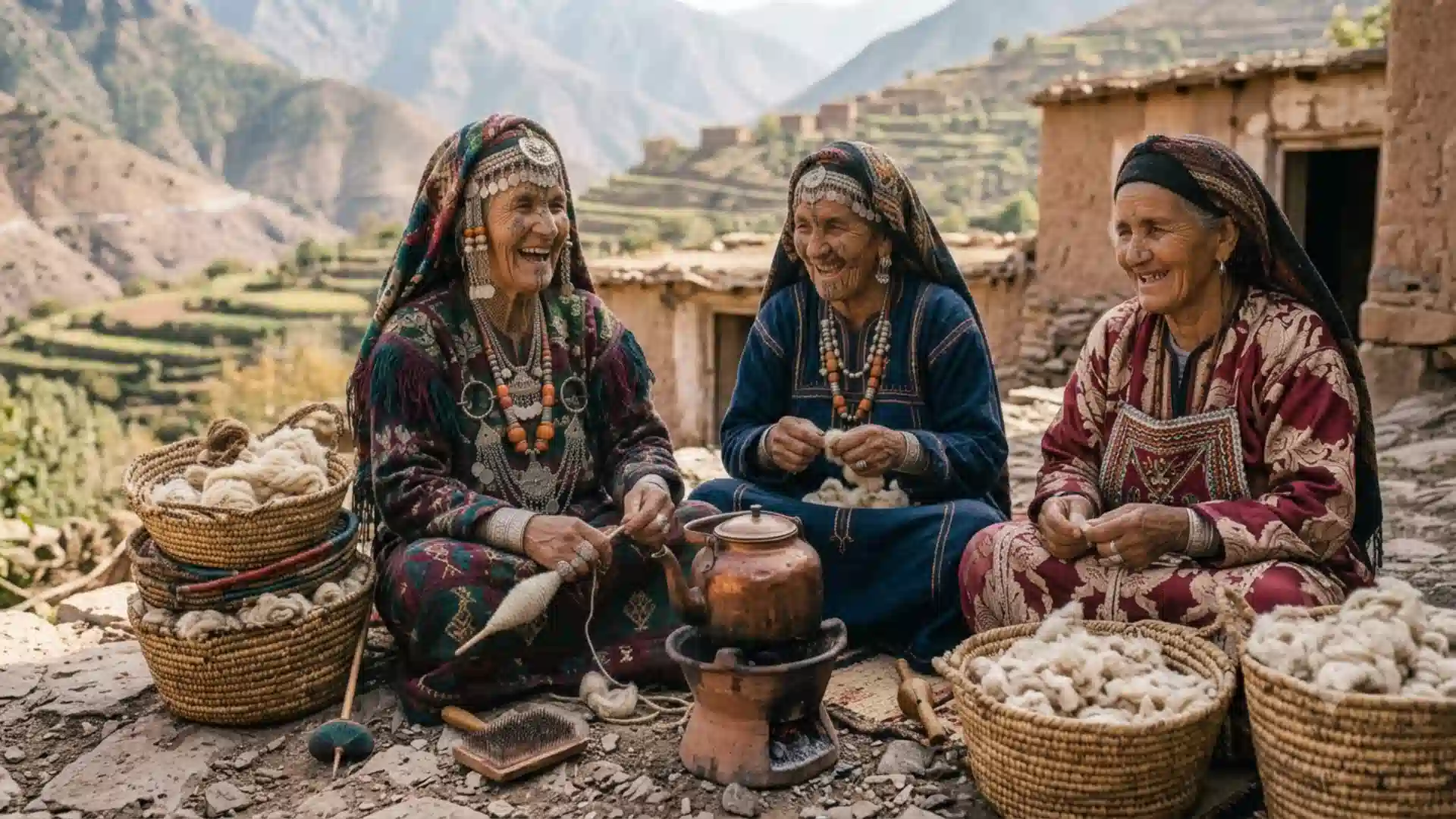
One of the most unique elements of booking your journey through Over Morocco Tours is the organic way our itineraries weave deep geological history with the living cultural heritage of the Sahara. The local indigenous Berber (Amazigh) people have lived alongside these ancient stone treasures for countless generations, developing an intimate, experiential understanding of the land.
Many of our local field spotters are native Berbers who have inherited an uncanny ability to read the desert landscape from their fathers and grandfathers. They can spot the tiny, weathered tip of a fossilized bone poking through the desert gravel from meters away—an ability that leaves even seasoned university professors in absolute awe.
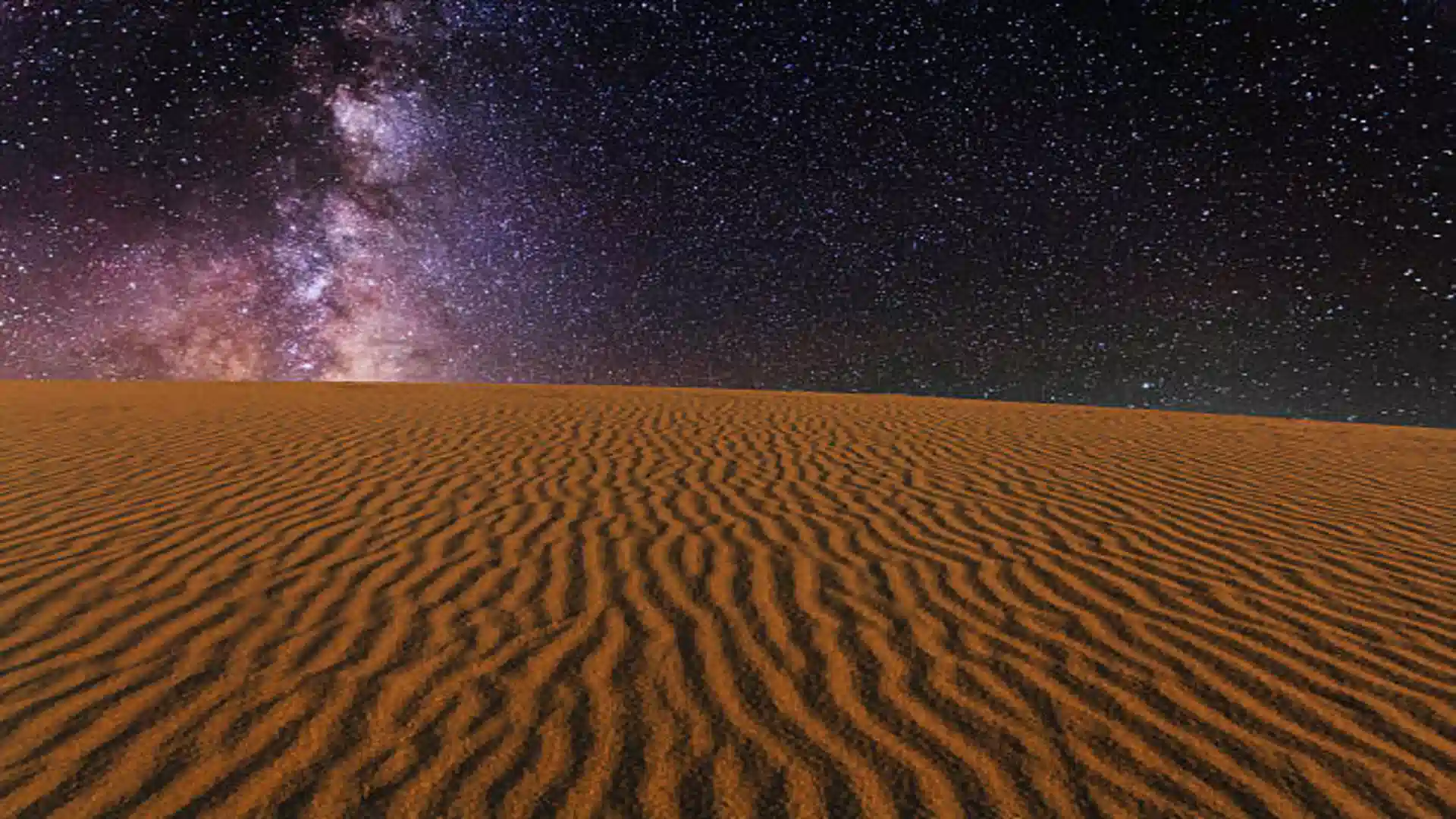
By spending time in the field with our team on our custom Merzouga prehistoric tours, you will learn how the local communities have adapted to the desert environment, hearing traditional stories around the campfire under a brilliant canopy of Saharan stars, and enjoying authentic, slow-cooked Moroccan tagines and fresh mint tea in remote nomad tents. This beautiful combination of ancient earth science and rich human hospitality creates a deep travel experience that goes far beyond a standard vacation.
How to Incorporate Fossils into Your Moroccan Itinerary
Whether you are looking to spend your entire vacation studying geology or simply want to add a unique, educational twist to a classic desert adventure, we offer highly flexible, custom-tailored options to perfectly fit your travel schedule.
+--------------------------------------------------------------------------+
|                     CUSTOMIZABLE ITINERARY FRAMEWORKS                    |
+--------------------------------------------------------------------------+
| TOUR TYPE        | DURATION   | GEOLOGICAL FOCUS AREA                    |
+------------------+------------+------------------------------------------+
| Desert Explorer  | 3 - 4 Days | Erg Chebbi Border & Erfoud Workshops     |
+------------------+------------+------------------------------------------+
| Deep-Time Safari | 7 - 10 Days| Alnif Cambrian Beds + Kem Kem Escarpments|
+------------------+------------+------------------------------------------+
| Grand Mega-Tour  | 14+ Days   | Anti-Atlas Range, High Atlas, & Sahara   |
+------------------+------------+------------------------------------------+
Option A: The 3-Day Desert Highlight Pack
Ideal for travelers with limited time who are already planning a trip from Marrakech or Fes to the desert. This option integrates a full morning of surface prospecting for Cretaceous teeth near the dunes, followed by an afternoon tour of the specialized artisan marble preparation facilities in Erfoud. It blends seamlessly with standard bucket-list experiences like sunset camel trekking and sleeping in a luxury desert camp. It serves as a fantastic taste of our broader Merzouga prehistoric tours.
Option B: The Ultimate 10-Day Deep-Time Geological Expedition
Designed specifically for dedicated rockhounds, collectors, and educational groups who want an exhaustive, immersive field experience. This comprehensive itinerary features dedicated, multi-day field operations in the Cambrian strata of Alnif, the Ordovician layers of Fezouata, the Devonian quarries of Erfoud, and deep wilderness prospecting along the remote Cretaceous Kem Kem escarpments. You will work side-by-side with professional local diggers, utilizing heavy field tools to excavate your very own high-quality specimens, making it the definitive package for trilobite hunting Morocco.
Ready to Unearth the Ancient Secrets of the Saharan Desert?
Do not settle for a generic, surface-level vacation that merely glides past the sand dunes. Embark on a profound journey of discovery to uncover the spectacular ancient worlds frozen in stone directly beneath them. Our private, expert-guided geology safaris are meticulously custom-tailored to provide the ultimate balance of thrilling outdoor adventure, authentic scientific discovery, and premium Moroccan luxury.
Looking for a focused, time-efficient desert adventure? Explore our highly-rated Luxury Private Sahara Tours, where we elegantly combine Cretaceous fossil hunting with classic sunset camel trekking across Erg Chebbi.
Ready for an absolute deep-time scientific immersion? Secure your booking for our definitive Bespoke 10-Day Morocco Tour, featuring extensive, multi-day field access dedicated exclusively to professional paleontology excursions Merzouga and regional fossil hunting.
Contact Our Sahara Travel Experts Today to begin designing your private, custom-tailored 4×4 paleontology expedition!