The Complete Morocco Packing List for 2026
Table of Contents
The Complete Morocco Packing List for 2026
A good Morocco packing list has to solve for three very different climates in one trip: warm imperial cities, cold nights in the Sahara, and chilly mountain passes in the Atlas — sometimes all within 48 hours of each other. Pack for one and you’ll be uncomfortable in the other two.
This guide covers exactly what to pack for Morocco and what to wear in Morocco depending on the season and your itinerary, with a dedicated Morocco packing list for women on modest dress, a full Morocco packing checklist you can copy before you fly, and specific guidance for desert, mountain, and city legs of the trip.
Quick Answer: What to Pack for Morocco
- Clothing: Lightweight, breathable layers that cover shoulders and knees, plus one warm layer for desert nights and mountain passes
- Footwear: Comfortable walking shoes for medinas, sturdy shoes or boots if trekking or visiting the desert
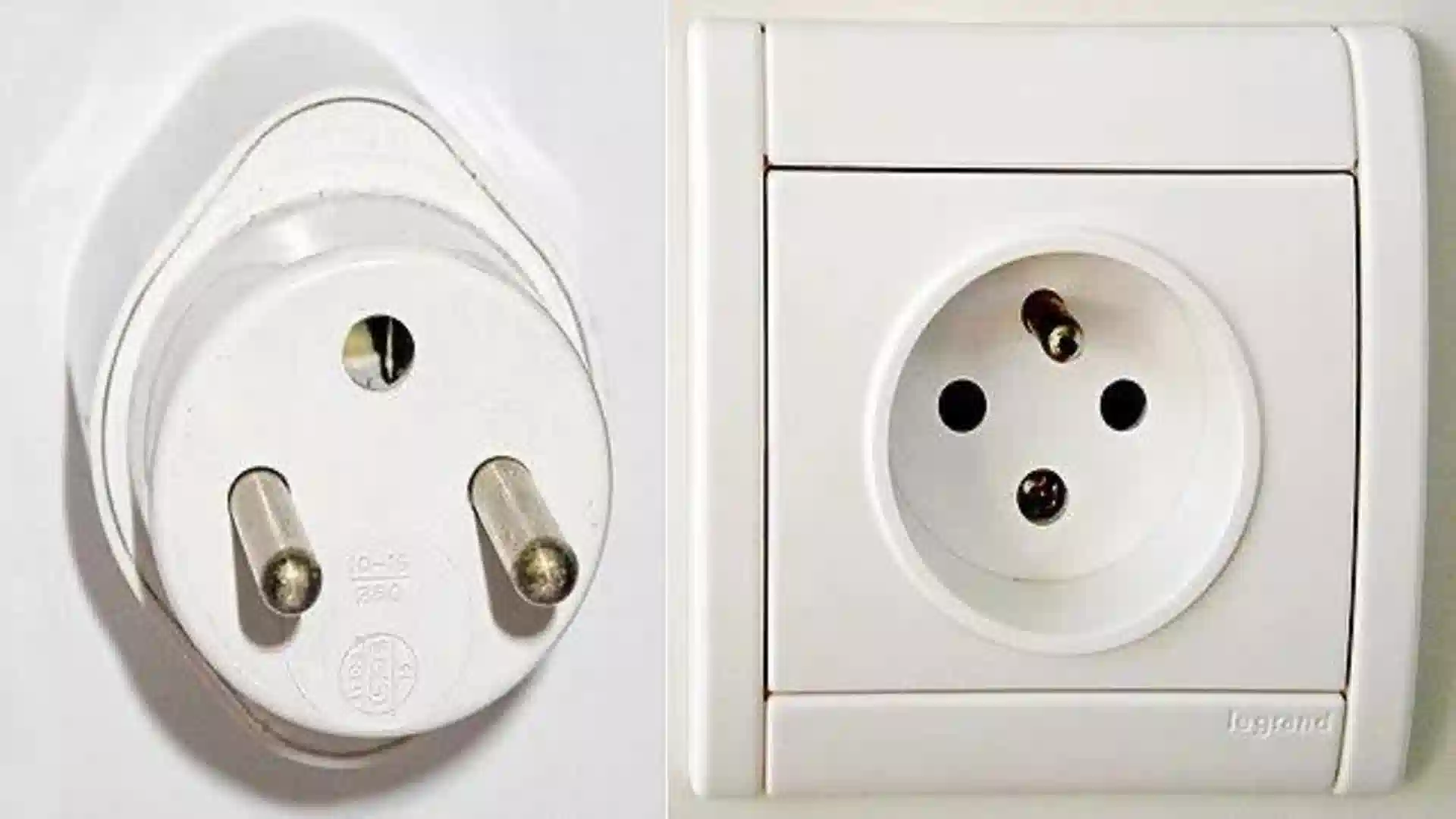
- Electronics: A Type C/E plug adapter — see our Morocco plug type guide
- Health: Sunscreen, hand sanitizer, basic medications, and a reusable water bottle
- Money: A mix of cash (dirhams) and a card with low foreign transaction fees
- Extras: A scarf or shawl (sun protection, modesty, and desert sand), and a daypack for city and desert excursions
What to Wear in Morocco: Dress Code & Modesty Basics
Morocco is a Muslim-majority country, and while cities like Marrakech and Casablanca are used to international visitors, modest dress is appreciated almost everywhere outside beach resorts, riad pools, and international hotels. This applies to both men and women, though the practical impact on packing falls more heavily on women’s clothing choices.
| Setting | Recommended Dress |
|---|---|
| Medinas & city streets | Shoulders and knees covered; loose, breathable fabrics |
| Rural villages & mountain treks | More conservative than cities — long sleeves and longer hemlines appreciated |
| Riad pools & courtyards | Swimwear fine within the riad’s private grounds |
| Beach resorts (Agadir, Essaouira, Taghazout) | Swimwear standard on the beach itself; cover up walking into town |
| Mosque exteriors | Fully covered shoulders and legs; most mosques are viewing-only for non-Muslims |
Morocco Packing List for Women
Women don’t need to wear a headscarf in Morocco outside of entering a mosque, but comfortable, modest clothing makes day-to-day travel noticeably smoother — fewer stares, easier interactions in the souks, and more comfort in the heat.
Core Pieces That Work Across the Whole Trip
- Loose maxi dresses or wide-leg trousers: Cool, comfortable, and modest without needing to think about it
- A large scarf or pashmina: Doubles as a mosque cover-up, sun protection, and warmth on cold desert nights
- Long, loose tops or tunics: Layer over leggings or looser trousers for city days
- A lightweight cardigan or jacket: For evenings when temperatures drop, even in summer
- Comfortable flat sandals and closed walking shoes: Medina streets are uneven cobblestone — heels are impractical almost everywhere
None of this needs to be purchased specially for the trip — most travelers find that clothes they already own (loose linen trousers, midi dresses, oversized shirts) work perfectly well once styled with modesty in mind.
Seasonal Packing: What to Pack for Morocco by Time of Year
| Season | Daytime Conditions | Key Packing Notes |
|---|---|---|
| Spring (Mar–May) | Mild, 20–26°C in most cities | Light layers; a jacket for cool evenings and mountain passes |
| Summer (Jun–Aug) | Hot, 30–40°C+ inland and desert | Loose breathable fabrics, a sun hat, and strong sunscreen are essential |
| Autumn (Sep–Nov) | Warm days, cooling nights | Peak desert season — pack a warm layer for the evening even if days are hot |
| Winter (Dec–Feb) | Mild days, cold nights, possible snow on mountain passes | A proper warm jacket, thermal layers for the desert at night, and waterproofs |
The One Packing Mistake Almost Everyone Makes
Desert nights drop sharply in temperature year-round — even in the height of summer, Sahara desert camps can feel genuinely cold after midnight. Pack at least one warm layer regardless of when you travel if a Merzouga or Zagora overnight is on the itinerary.
The Full Morocco Packing Checklist
Clothing
- Loose, breathable tops and trousers or dresses (shoulders/knees covered)
- One warm layer (fleece, jacket, or thick cardigan) for desert nights and mountain passes
- Comfortable walking shoes for medina cobblestones
- Sturdy trainers or boots if trekking in the Atlas Mountains
- Swimwear, for riad pools and coastal towns
- A large scarf or shawl
- A sun hat
- Sunglasses
Health & Toiletries
- High-SPF sunscreen
- Hand sanitizer and wet wipes
- Basic first-aid kit (rehydration salts, pain relief, plasters)
- Any personal prescription medication in original packaging
- Insect repellent, especially for desert and rural stays
- Reusable water bottle (tap water is not recommended for drinking)
Electronics & Documents
- Type C/E plug adapter (see our full Morocco plug type and outlet guide)
- Portable power bank, especially for desert camps and mountain guesthouses
- Passport with at least 6 months’ validity
- Printed or digital copies of accommodation bookings and tour confirmations
- A small amount of cash in dirhams for markets, tips, and rural areas
Extras Worth Packing
- A daypack for medina walks and desert excursions
- A packable tote bag for souvenirs and market shopping
- Earplugs, useful in busy medina riads near the call to prayer or nightlife
- A padlock for hostel lockers or day-bag security
Packing Specifically for the Desert & Atlas Mountains
If your route includes an overnight in the Sahara or a trek into the High Atlas, a few extra items make a real difference beyond the general packing list above.
- A warm layer for desert nights: Even in summer, temperatures can fall to single digits Celsius after midnight in Merzouga or Zagora.
- A buff or bandana: Useful for covering your face during sandy or windy stretches of a camel trek or 4×4 excursion.
- Closed shoes for sand: Sandals fill with sand quickly on the dunes — trainers or light hiking shoes are more practical.
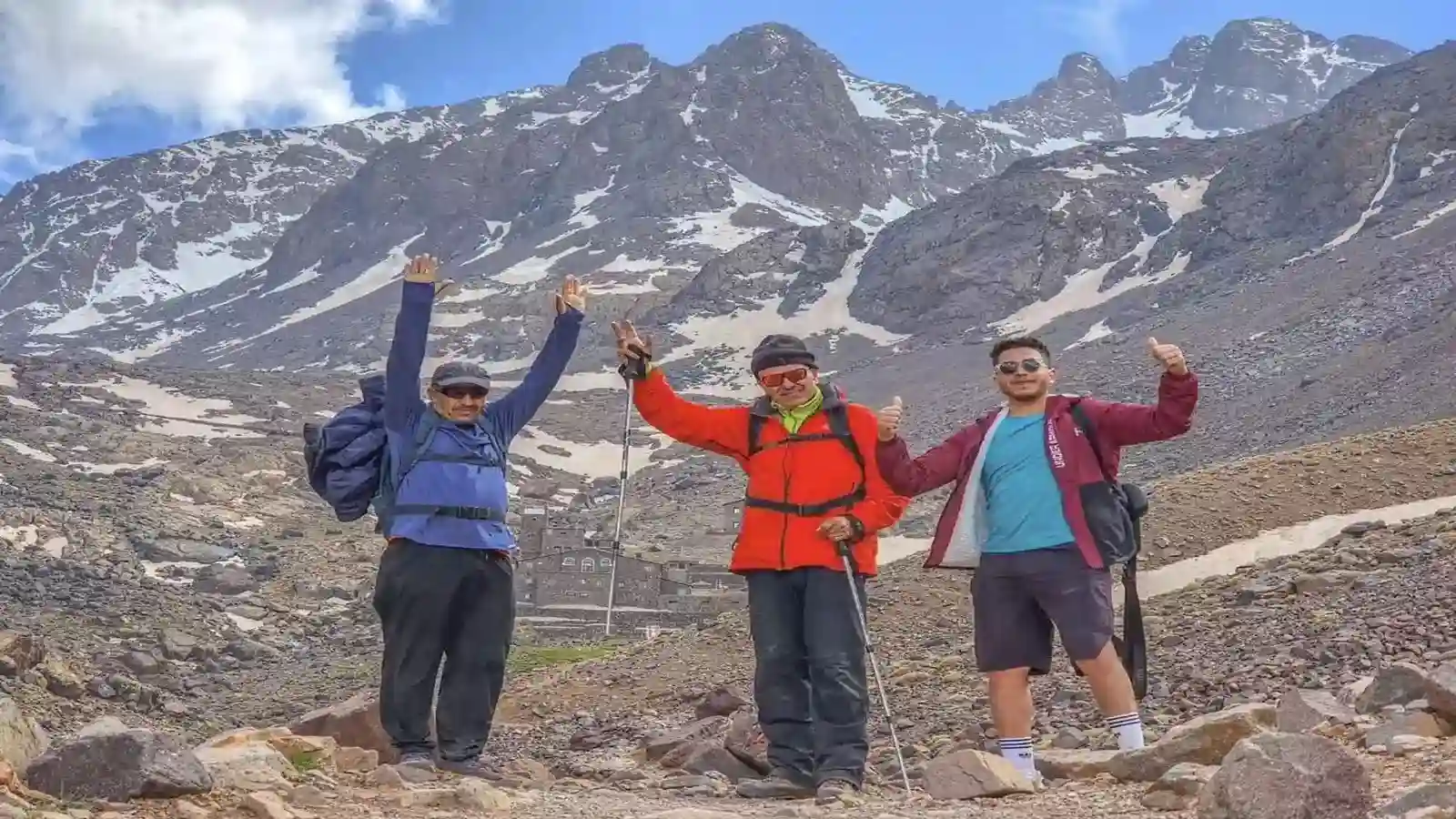
- Trekking layers for Toubkal or Imlil: Base layer, insulating mid-layer, and a windproof outer shell if attempting any multi-day mountain trek.
- A headlamp: Useful for both desert camps and mountain guesthouses where lighting can be limited after dark.
For the full route through the mountains and desert, including where these climate shifts happen along the way, see our guide to the Atlas Mountains and Merzouga desert itinerary.
What Not to Pack for Morocco
- Revealing clothing for everyday wear: Save shorts, tank tops, and short skirts for the pool or beach rather than the medina.
- Heels or unstable footwear: Medina streets are cobbled, uneven, and often steep.
- Single-voltage hair tools: North American hair dryers and straighteners often won’t survive Morocco’s 220V current without a converter — see our plug and voltage guide.
- Excess valuables: Leave expensive jewelry at home; it draws unnecessary attention in crowded souks.
- An overpacked suitcase: Many riads have narrow stairs and no elevators — a smaller bag or a duffel is far easier to manage than a large hard-shell case.
Frequently Asked Questions About Packing for Morocco
Do women need to cover their hair in Morocco?
No, covering your hair is not required for travelers. A headscarf is only needed when entering certain religious sites, and most mosques are viewing-only for non-Muslims regardless.
Can I wear shorts in Morocco?
Shorts are fine at beach resorts and riad pools, but knee-length or longer bottoms are more comfortable and appropriate in medinas, rural villages, and religious sites.
What shoes are best for a Morocco trip?
Comfortable, closed walking shoes handle uneven medina cobblestones best. If your itinerary includes the Sahara or Atlas Mountains, add sturdier trainers or light hiking shoes for sand and trail conditions.
Do I need to pack warm clothes if I’m visiting in summer?
Yes, if your trip includes a desert overnight. Sahara nights cool dramatically even during the hottest months, so at least one warm layer is worth packing regardless of season.
Is tap water safe to drink in Morocco?
Bottled or filtered water is generally recommended for travelers rather than tap water, particularly outside major cities. A reusable bottle with a filter can cut down on plastic waste during longer trips.
What size suitcase should I bring for a Morocco tour?
A medium-sized suitcase or duffel is usually more practical than a large hard-shell case, since many riads have narrow staircases without elevators and desert camp transport has limited luggage space.
Bags Packed? Let’s Plan the Rest of Your Trip
Now that your Morocco packing list is sorted, see our full guide on what to do in Morocco to build the rest of your itinerary.
Our local guides handle the logistics — from the Marrakech medina to the Sahara dunes — so you can focus on the trip itself.