What to Expect When Driving Across the Tizi n’Tichka Pass in the High Atlas Guide (2026/2027)
The Tizi n’Tichka pass remains one of the most spectacularly engineered, geographically dramatic, and historically rich alpine crossings in North Africa. Traversing the rugged backbone of Morocco along Route Nationale 9 (RN9), this legendary mountain highway connects the vibrant imperial hub of Marrakech with the arid, ocre gates of the sub-Saharan pre-desert at Ouarzazate. For decades, driving across the Tizi n’Tichka pass in the High Atlas was considered a white-knuckle rite of passage reserved for the most intrepid overland travelers, characterized by crumbling asphalt, sheer drop-offs lacking guardrails, and chaotic multi-vehicle bottlenecks. However, an extensive, multi-year infrastructure modernization initiative spearheaded by the Moroccan Ministry of Equipment and Water has fundamentally transformed this vital economic artery. When travelers contemplate driving across the Tizi n’Tichka pass in the High Atlas, they are often met with outdated warnings of extreme peril. While the extensive widening projects, structural stabilization, and addition of overtaking lanes have vastly improved the environment, driving across the Tizi n’Tichka pass in the High Atlas still demands your full attention. The sheer physical reality of navigating a high-altitude alpine ecosystem means that driving across the Tizi n’Tichka pass in the High Atlas rewards vigilant drivers with unparalleled vistas of terraced valleys, ancient mud-brick Berber villages, and dramatic geological transitions.
To truly appreciate the contemporary journey over the High Atlas, one must first understand the structural scale of this engineering feat before attempting driving across the Tizi n’Tichka pass in the High Atlas. The entire mountain route stretches approximately two hundred kilometers between Marrakech and Ouarzazate, with the actual mountain pass section ascending aggressively over a ninety-kilometer span. For anyone planning on driving across the Tizi n’Tichka pass in the High Atlas, understanding the sheer scale of the climb helps prevent mechanical strain on your vehicle. The historical trajectory of this trade route is equally fascinating; the contemporary paved highway traces the ancient caravan trails that trans-Saharan traders utilized for centuries to transport gold, salt, and spices from Timbuktu to northern markets. In 1936, the French military formalized this route by blasting a permanent vehicular road through the fractured Paleozoic shale and sandstone base, establishing the basic geometric footprint of the road that motorists navigate today when driving across the Tizi n’Tichka pass in the High Atlas.
Table of Contents
Tizi n Tichka pass elevation and altitude: Route Geography
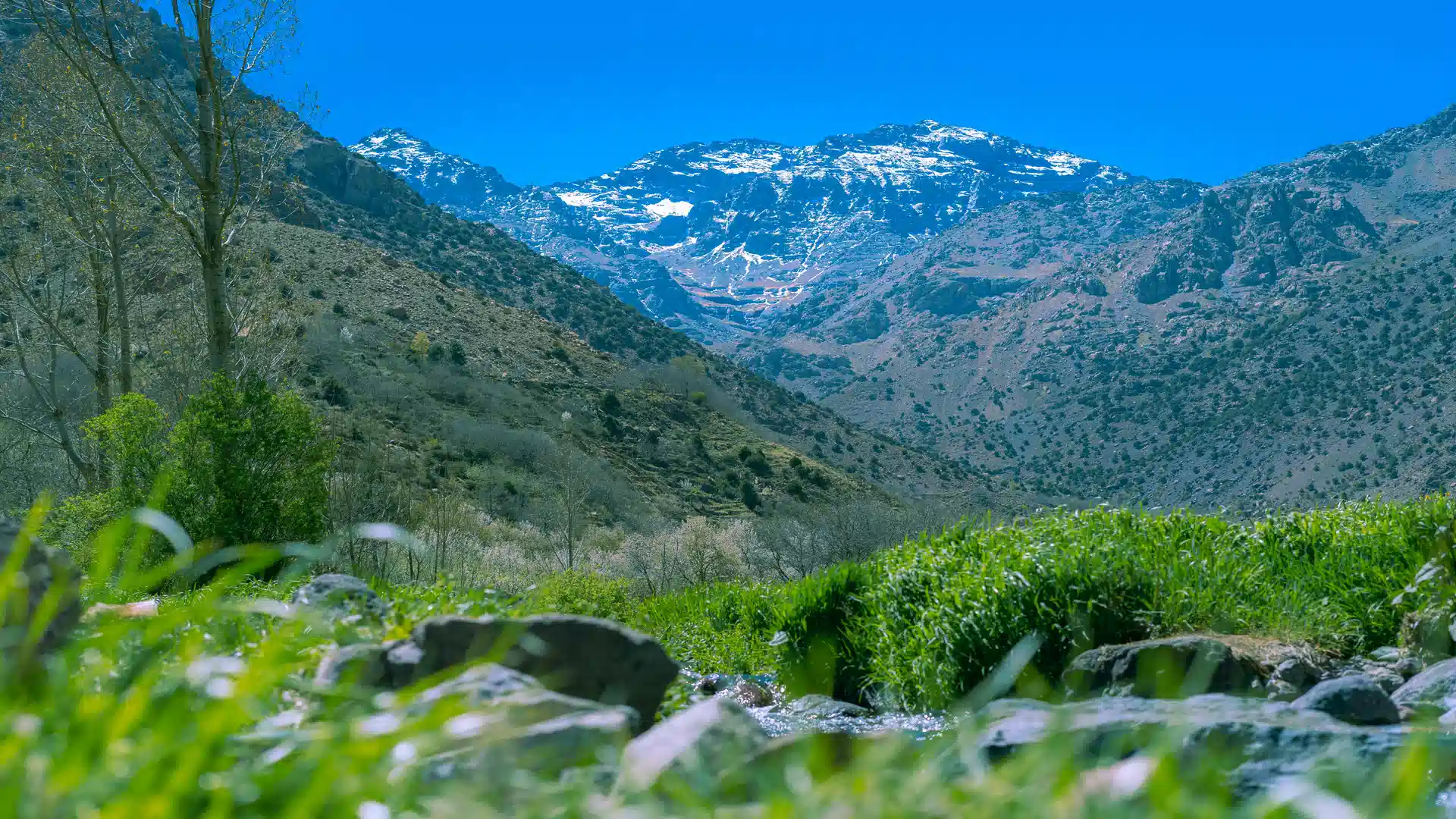
When embarking on this journey from the flat, dusty plains of the Haouz basin surrounding Marrakech, the initial stage of the drive provides a deceptive sense of ease to those driving across the Tizi n’Tichka pass in the High Atlas. Leaving the palm groves behind, the highway passes through the bustling market town of Aït Ourir, where the road is wide, flat, and dual-carriageway for the first nineteen kilometers up to Moulay Jaafar. It is here that the true ascent begins for motorists driving across the Tizi n’Tichka pass in the High Atlas, as the road shrinks to a single lane in each direction, tracking the path of the pristine Oued Zat valley. The landscape transitions rapidly from olive groves and orchards to dense stands of Mediterranean holm oak, maritime pine, and gnarled juniper trees. As the altitude climbs past one thousand meters, the physical geography changes from rolling foothills to stark, jagged canyons, altering what to expect when driving across the Tizi n’Tichka pass in the High Atlas. The engineering of the modernized route becomes highly visible throughout this lower ascent: massive, stepped stone gabions line the inner mountain faces to catch falling debris, while deeply bored concrete pilings stabilize the outer edge of the asphalt against the continuous threat of downslope subsidence, ensuring structural stability for everyone driving across the Tizi n’Tichka pass in the High Atlas.
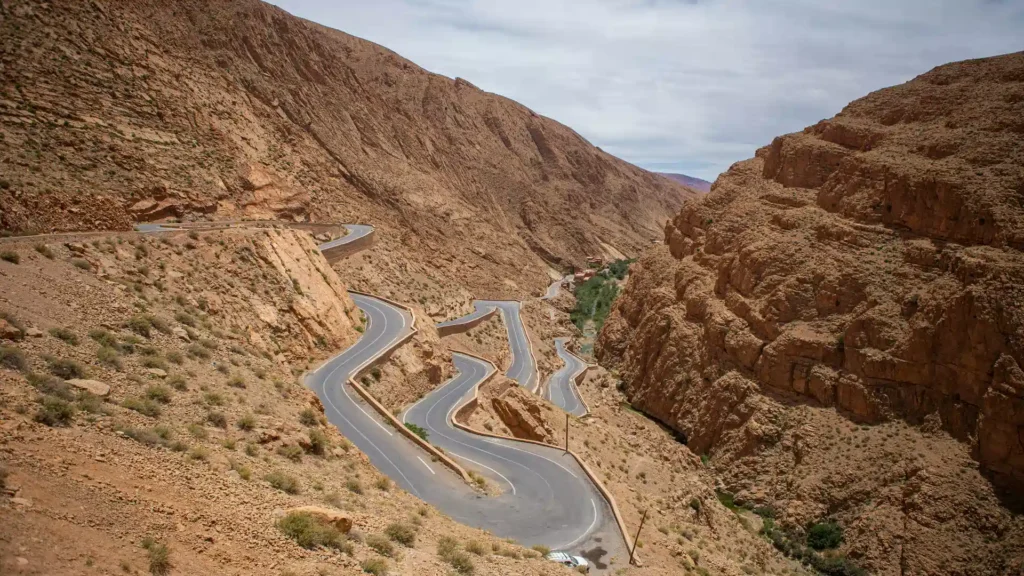
As motorists push higher toward the mid-mountain staging point of Taddert, the driving dynamics become significantly more complex for anyone driving across the Tizi n’Tichka pass in the High Atlas. The road enters a series of tight, stacked hairpin turns, known locally as lacets, which demand precise steering inputs and careful speed synchronization from those driving across the Tizi n’Tichka pass in the High Atlas. Taddert, a small roadside settlement sitting at roughly 1,650 meters elevation, serves as a crucial psychological and mechanical milestone for drivers engaged in driving across the Tizi n’Tichka pass in the High Atlas. Here, the scent of burning brake pads and boiling coolant often wafts through the mountain air, as poorly maintained vehicles struggle with the sustained uphill grade. Beyond Taddert, the final climb to the apex exposes the vehicle to extreme geological instability, making driving across the Tizi n’Tichka pass in the High Atlas an unforgettable mechanical test. The underlying bedrock here consists primarily of highly fractured Paleozoic schists, a fragile mix of metamorphic shale and sandstone that is highly susceptible to structural failures during freezing cycles. It is on this final five-kilometer approach to the summit that the Moroccan government has focused its most intensive civil engineering efforts, carving wide three-lane sections out of the sheer rock faces to allow agile passenger vehicles to safely bypass slow-moving commercial semi-trucks crawling up the mountain at walking speeds while driving across the Tizi n’Tichka pass in the High Atlas.
Marrakech to Ouarzazate mountain road conditions: Managing Alpine Microclimates
The single greatest mistake a traveler can make when planning a traverse of the High Atlas is assuming that Morocco’s generally hot, arid climate applies to high altitudes, especially when driving across the Tizi n’Tichka pass in the High Atlas. The seasonal variation across this pass is extreme, presenting completely different sets of environmental conditions depending on the month, week, or even the specific hour of your transit. During the winter months, which run roughly from late November through March, the pass frequently transforms into a volatile, snow-choked alpine corridor. Heavy snowstorms can deposit multiple feet of snow at the upper elevations within a matter of hours, completely paralyzing traffic and forcing local authorities to execute emergency road closures, stopping anyone from driving across the Tizi n’Tichka pass in the High Atlas. When these severe winter weather systems hit, the combination of accumulating ice, sub-zero temperatures, and zero-visibility blizzards renders driving across the Tizi n’Tichka pass in the High Atlas a major structural hazard. The Moroccan Ministry of Equipment deploys heavy-duty rotary snowplows and tracked clearing equipment stationed permanently at Taddert to manage the snowpack, but even with modern clearing fleets, the pass can remain closed to all vehicular traffic for twelve to thirty-six hours until the asphalt can be safely de-iced for those driving across the Tizi n’Tichka pass in the High Atlas.
Spring and autumn bring their own unique meteorological challenges, most notably the sudden onset of dense, blinding mountain fog that complicates driving across the Tizi n’Tichka pass in the High Atlas. This fog occurs when warm, moisture-laden air masses rising from the Atlantic plains collide with the cold, high-altitude rock faces of the mountain range. Within a span of two kilometers, a driver can transition from crisp, clear sunlight into a thick blanket of low-hanging clouds where visibility drops to less than five meters. Navigating these fog banks requires a drastic reduction in speed, the immediate activation of low-beam headlights, and an absolute reliance on the reflective cats-eyes and painted white lines that mark the boundaries of the road surface for drivers driving across the Tizi n’Tichka pass in the High Atlas. Furthermore, spring thaw cycles can trigger sudden, unpredictable rockfalls. As ice melts within the deep fissures of the shale cliffs towering over the highway, the expanding water loosens large blocks of stone, sending them tumbling down onto the roadway below, completely altering the immediate safety parameters for motorists currently driving across the Tizi n’Tichka pass in the High Atlas.
In contrast, the summer months of June through September bring intense, baking heat that tests the mechanical cooling systems of vehicles to their absolute limits during the process of driving across the Tizi n’Tichka pass in the High Atlas. While the ambient air temperature at the summit remains comfortable, the temperatures in the enclosed valleys leading up to the pass can soar well past forty degrees Celsius. This sustained thermal stress, combined with the continuous, steep uphill grade, frequently causes car engines to overheat, particularly if the vehicle’s radiator fluid is low or the air conditioning system is pushed to maximum capacity, stalling those driving across the Tizi n’Tichka pass in the High Atlas. Summer also brings the hazard of late-afternoon convective thunderstorms. These intense, localized downpours can dump immense volumes of water onto the barren, un-vegetated mountain slopes within minutes, causing sudden flash floods that cascade across lower sections of the highway, carrying mud, gravel, and large boulders across the driving lanes and challenging anyone driving across the Tizi n’Tichka pass in the High Atlas.
High Atlas Mountains driving safety tips: Mechanical Preparation and Vehicle Selection
Successfully completing the route begins long before you turn the ignition key; it requires a systematic mechanical inspection of your motor vehicle to ensure it can withstand the immense physical stresses of driving across the Tizi n’Tichka pass in the High Atlas. The continuous, steep climbs place a massive load on the vehicle’s powertrain, while the subsequent, prolonged descents subject the braking infrastructure to extreme friction and thermal build-up. Before attempting driving across the Tizi n’Tichka pass in the High Atlas, it is absolutely essential to verify the structural integrity and wear levels of your vehicle’s braking system. Front and rear brake pads should have ample friction material remaining, and the brake fluid must be fresh and completely free of water contamination. Old, moisture-heavy brake fluid can boil during a long descent down the pass, leading to a catastrophic phenomenon known as “brake fade,” where the brake pedal becomes soft and spongy, and the vehicle loses its stopping capability entirely when you are driving across the Tizi n’Tichka pass in the High Atlas.
Tire selection and pressure regulation are equally critical components of your pre-trip checklist before driving across the Tizi n’Tichka pass in the High Atlas. The sharp, fractured rock fragments that occasionally litter the asphalt can easily puncture thin-walled or heavily worn tires. Ensure your tires have deep, healthy tread depth and that the sidewalls are free of cracks or bulges. Because you will be ascending from near sea level to over two thousand meters, the ambient atmospheric pressure will drop significantly, which naturally causes the internal pressure of your tires to expand slightly. It is highly recommended to check and adjust your tire pressure to the manufacturer’s recommended specifications while the tires are cold, before starting on driving across the Tizi n’Tichka pass in the High Atlas. Do not forget to inspect your spare tire, ensuring it is fully inflated and that you possess a functional jack, lug wrench, and a high-visibility reflective warning triangle to protect yourself if you must change a tire on a narrow mountain shoulder while driving across the Tizi n’Tichka pass in the High Atlas.
When selecting a rental vehicle or preparing a personal car for this route, the question of whether a four-wheel-drive (4×4) vehicle is necessary frequently arises for drivers driving across the Tizi n’Tichka pass in the High Atlas. With the completion of the modernized, wide asphalt lanes across the vast majority of the route, a standard front-wheel-drive or rear-wheel-drive passenger sedan or compact SUV is completely capable of completing the journey during clear, dry weather. The road surfaces are highly engineered, well-graded, and entirely paved. However, choosing a vehicle with a higher ground clearance, such as a compact crossover or a true four-wheel-drive SUV, offers a massive safety margin and increased driving comfort for those driving across the Tizi n’Tichka pass in the High Atlas. A higher ride height allows you to easily navigate the occasional stray rock on the road or the rough, gravel surfaces of scenic pull-outs. More importantly, it gives you peace of mind during the sustained adventure of driving across the Tizi n’Tichka pass in the High Atlas.
How long to cross Atlas Mountains Morocco: Driving Techniques for Alpine Switchbacks
Navigating the High Atlas requires a conscious shift in your driving psychology and the application of tactical mountain-driving techniques. The golden rule of driving across the Tizi n’Tichka pass in the High Atlas is to completely discard any rigid time schedules; trying to rush through these mountains is an incredibly dangerous endeavor that places unnecessary stress on both the driver and the machine. Instead, adopt a calm, proactive defensive driving posture, maintaining a massive safety cushion between your car and the vehicle ahead while driving across the Tizi n’Tichka pass in the High Atlas. When ascending the steep grades, avoid the common mistake of lugging the engine in a gear that is too high. If you are driving a manual transmission vehicle, downshift early to keep the engine spinning within its optimal power band, which prevents overheating and gives you immediate throttle response when navigating sharp curves during the process of driving across the Tizi n’Tichka pass in the High Atlas. For automatic transmissions, consider shifting into a manual or “Sport” mode to prevent the gearbox from continuously hunting for gears as the road gradient shifts.
The true test of a driver’s skill, however, occurs during the long, continuous descent from the peak for those driving across the Tizi n’Tichka pass in the High Atlas. Relying solely on your foot brake to control your vehicle’s speed down an extended mountain grade is a recipe for mechanical trouble. The sustained friction will rapidly overheat the brake rotors, causing the pads to glaze over and lose their stopping power, filled with the dangerous scent of burning friction material. To prevent this, you must master the art of engine braking when driving across the Tizi n’Tichka pass in the High Atlas. By shifting your transmission into a lower gear, you harness the natural internal compression of the engine to regulate the vehicle’s downward momentum. A good rule of thumb is to descend the mountain in the exact same gear you would use to climb it. Your foot brake should only be used in short, firm bursts to shed excess speed before entering a sharp corner, rather than being lightly and continuously applied down the entire mountainside while driving across the Tizi n’Tichka pass in the High Atlas.
Proper cornering technique along the dozens of sharp switchbacks is vital for maintaining stability and preventing accidents for anyone driving across the Tizi n’Tichka pass in the High Atlas. As you approach a sharp turn, execute all of your braking while your vehicle is still traveling in a straight line. Drop your speed to an appropriate level, shift into the correct gear, and then smoothly steer through the apex of the curve without riding the brakes. Never cross the solid double white center lines when navigating a blind corner; local commercial truck drivers and grand taxi operators frequently use the entire width of their lane—and sometimes a portion of yours—to swing their large vehicles through tight turns, posing a unique challenge to drivers driving across the Tizi n’Tichka pass in the High Atlas. Expect the unexpected around every single bend: a broken-down delivery truck parked squarely in the driving lane, a flock of goats being guided along the asphalt by a local shepherd, or a slow-moving agricultural tractor crawling around a blind cliff face. Following safety tips carefully is the absolute best way to ensure an incident-free crossing for anyone driving across the Tizi n’Tichka pass in the High Atlas.
Motion sickness Tichka pass route: Managing Commercial Traffic and Grand Taxis
One of the most intimidating aspects of driving across the Tizi n’Tichka pass in the High Atlas is sharing the narrow mountain ribbon with heavy commercial transport vehicles and the legendary Moroccan grand taxis. Because this road is the primary logistical corridor connecting the economic powerhouses of the north with the major agricultural, mining, and tourism sectors of the south, it is constantly packed with massive semi-trucks, double-decker buses, and heavily overloaded flatbed trucks carrying everything from construction materials to livestock. These large vehicles move at incredibly slow speeds on the uphill climbs, often dropping down to less than twenty kilometers per hour. This slow pace can induce extreme frustration in drivers who are stuck behind them, leading to risky overtaking maneuvers that represent a leading cause of head-on collisions on mountain routes, making patience an absolute virtue when driving across the Tizi n’Tichka pass in the High Atlas.
Fortunately, the extensive modernization of the highway has introduced dedicated passing lanes—often expanding the road to a 2+1 configuration on steep uphill climbs—which has greatly eased the stress of driving across the Tizi n’Tichka pass in the High Atlas. This means that every few kilometers, a second lane will open up on your side of the road, providing a safe, engineered opportunity to pass slow-moving trucks without entering the oncoming lane of traffic. When these passing zones appear, execute your overtake decisively but cautiously, ensuring your vehicle has enough power to complete the maneuver before the lane merges back down. If you find yourself stuck behind a slow truck on a section with a single solid white line, exercise absolute patience. Do not succumb to the temptation to pass on a blind curve or over a solid line, regardless of how slow the vehicle ahead is moving, ensuring safety for all driving across the Tizi n’Tichka pass in the High Atlas.
Grand taxis—typically large white sedans or modern multi-passenger vans—are another unique element of the driving ecosystem on the pass. These vehicles operate as a shared intercity transit network, and their drivers navigate this route multiple times every single day. Because of their intimate, repetitive knowledge of every single curve along the route, grand taxi drivers travel at speeds that can seem terrifyingly fast to a first-time visitor driving across the Tizi n’Tichka pass in the High Atlas. They will frequently tailgate your vehicle if they feel you are driving too slowly or cautiously. The best strategy for dealing with an aggressive grand taxi driver is to maintain your composure, ignore the pressure to speed up beyond your comfort level, and utilize the next available gravel shoulder or widening of the road to pull over safely to the right, signaling smoothly to let them pass. Never engage in competitive driving behaviors with local professional drivers; they understand the nuances of this road far better than any visitor driving across the Tizi n’Tichka pass in the High Atlas.
Private driver for High Atlas Mountains tour: Cultural Landscapes and Roadside Etiquette
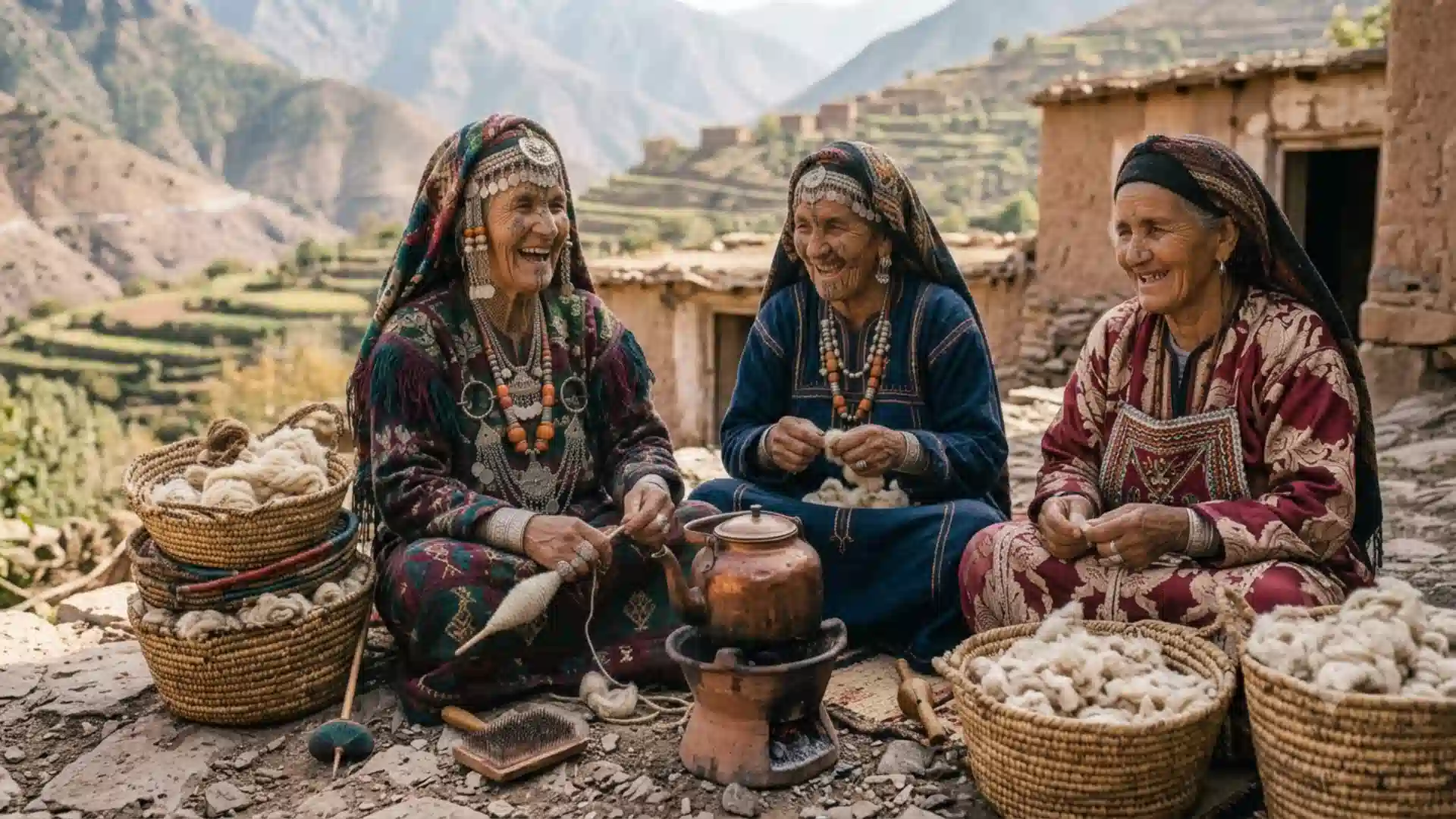
Beyond its technical challenges and engineering triumphs, the drive across the High Atlas is a profound cultural journey through the living heartland of the indigenous Amazigh (Berber) communities. The human geography of the pass is characterized by ancient mud-brick and stone villages that seem to grow organically out of the vertical mountain cliffs. These villages have existed for centuries, their inhabitants practicing a highly specialized form of terrace agriculture, carving small, emerald-green plots of alfalfa, wheat, and fruit orchards out of the steep canyon floors irrigated by the mineral-rich snowmelt flowing directly from the high peaks. For travelers driving across the Tizi n’Tichka pass in the High Atlas, driving through these areas offers an intimate window into a traditional way of mountain life that has remained remarkably resilient against the pressures of urbanization.
As you drive through these mountain settlements, it is imperative to observe strict roadside etiquette and cultural respect while driving across the Tizi n’Tichka pass in the High Atlas. Speed limits drop drastically when passing through villages—often down to forty or thirty kilometers per hour—and these limits are strictly enforced by both local safety dynamics and regular highway stops managed by the Royal Moroccan Gendarmerie. Watch carefully for pedestrians; because these mountain highways double as the primary pedestrian pathways connecting isolated hamlets, you will frequently encounter children walking to and from school, women carrying large bundles of forage on their backs, and elderly villagers walking along the very edge of the asphalt. Slow down significantly, afford them a wide berth, and be prepared for sudden movements, especially from livestock or young children playing near the roadside while you are driving across the Tizi n’Tichka pass in the High Atlas.
You will also encounter numerous police checkpoints along the length of the highway. These checkpoints are a standard, highly effective component of Morocco’s national security framework and are nothing to be feared by travelers driving across the Tizi n’Tichka pass in the High Atlas. As you approach a checkpoint, look for a mobile sign placed in the center of the road reading “Halte Gendarmerie” or “Ralentir.” Reduce your speed to a crawl, roll down your driver’s side window, remove your sunglasses, and slowly approach the officer. If they wave you through with a flick of their wrist, simply smile, offer a polite nod, and continue on your way. If they signal for you to stop, bring the vehicle to a complete halt, greet them politely, and be prepared to present your vehicle’s rental contract, registration documents, and your driving license or passport. Following these legal protocols is just as vital as knowing the active road conditions before starting on driving across the Tizi n’Tichka pass in the High Atlas.
Best stops on the road to Ait Benhaddou: Roadside Commerce and Local Economy
The mountain route is not merely a transit corridor; it is a vibrant, high-altitude marketplace where local artisans and vendors rely heavily on the flow of passing motorists to sustain their families. As you wind your way up and down the mountain, you will notice dozens of small, colorful wooden stalls perched precariously on the edge of the cliffs. These stalls are packed with a dazzling array of local geological specimens, handcrafted ceramics, and traditional jewelry, making roadside stops a highlight for anyone driving across the Tizi n’Tichka pass in the High Atlas. The most famous items sold along the pass are local minerals and geodes—vibrant clusters of amethyst, quartz, and various crystals excavated from the rich mining veins of the Atlas range. While many of these specimens are genuinely beautiful, be aware that some vendors sell highly altered or completely manufactured geodes, using chemical dyes to create unnatural, hyper-bright neon colors to catch the eyes of tourists driving across the Tizi n’Tichka pass in the High Atlas.
Another major commercial staple of the region is the production and sale of authentic Argan oil and cosmetic products, a booming industry that lines the paths of motorists driving across the Tizi n’Tichka pass in the High Atlas. While the Argan tree actually grows primarily in the arid Souss valley to the southwest, numerous women’s cooperatives and retail shops line the highway approaching the pass. If you decide to stop and purchase Argan oil, look for certified cooperatives where you can watch the traditional, labor-intensive process of manually cracking the hard Argan nuts between stones to extract the oil-rich kernels. Stopping at these roadside stalls is an excellent way to break up your travel time, stretch your legs, and inject capital directly into the local mountain economy while driving across the Tizi n’Tichka pass in the High Atlas. When engaging with vendors, remember that bargaining is a fundamental cultural art form in Morocco. Approach the interaction with a lighthearted, friendly spirit; offer a price that you feel is fair for the item, and if a mutual agreement cannot be reached, simply thank the vendor politely and walk away—there is absolutely no obligation to buy.
Crucially, you must ensure that you carry an ample supply of cash in small denominations—specifically ten, twenty, and fifty Moroccan Dirham (MAD) banknotes—before embarking on driving across the Tizi n’Tichka pass in the High Atlas. While high-end hotels and large service stations in major cities accept international credit cards, the vast majority of the small roadside cafes, fruit stalls, souvenir vendors, and restrooms along the actual mountain pass operate strictly on a cash-only basis. If you pull over to buy a refreshing glass of freshly squeezed orange juice, a handful of sweet local figs, or to use a basic roadside restroom, a credit card will be completely useless. Carrying small change also prevents the common issue of vendors claiming they do not have change for larger banknotes, making your transactions much smoother and supporting the micro-entrepreneurs of the region during your journey of driving across the Tizi n’Tichka pass in the High Atlas.
Plan Your Trip: Strategic Rest Stops, Cafes, and Vista Points
To transform your crossing of the High Atlas from a stressful driving chore into an unforgettable road trip, you should strategically plan your rest stops and panoramic viewpoints. Attempting to drive the entire distance between cities in one continuous block is highly exhausting and deprives you of some of the most breathtaking visual experiences in North Africa, which is why staging your stops is crucial when driving across the Tizi n’Tichka pass in the High Atlas. As you climb out of the plains, one of the first ideal places to pause is the scenic area around Toufliht. Here, the road winds through dense, aromatic pine forests, offering a cool, shaded environment that feels worlds away from the heat of Marrakech, providing an ideal oasis for drivers driving across the Tizi n’Tichka pass in the High Atlas. Several small, rustic cafes line the road here, serving traditional Moroccan mint tea—often infused with wild mountain herbs like wild thyme or absinthe—and freshly baked flatbread cooked over charcoal braziers.
As you push higher into the rocky alpine zone, the village of Taddert serves as the definitive mid-way culinary hub of the pass for everyone driving across the Tizi n’Tichka pass in the High Atlas. Taddert is famous for its rows of traditional open-air charcoal grills, where local restaurateurs display fresh cuts of lamb and beef hanging from hooks, ready to be prepared to your exact specifications. Stopping here for a classic slow-cooked Berber tagine—bubbling hot in a conical clay vessel packed with tender meat, wild herbs, and locally grown vegetables—is an essential cultural and culinary component of the experience. This long stop gives you an excellent chance to step out of the car, stretch your legs, and successfully combat driving fatigue before completing the final push up to the 2,260-meter peak while driving across the Tizi n’Tichka pass in the High Atlas.
The ultimate stop along the route is, of course, the formal viewpoint at the very top of the pass, marking the highest point for anyone driving across the Tizi n’Tichka pass in the High Atlas. The Moroccan government has constructed a wide, secure parking area at the apex, allowing motorists to safely exit the main flow of traffic. Standing at the edge of the viewing platform, the visual reward is immense: you can look back down upon the dizzying, serpentine ribbon of asphalt you have just conquered, watching cars and heavy trucks look like tiny toys as they navigate the giant, sweeping switchbacks carved into the multi-colored mountain strata. The air at the summit is crisp, thin, and noticeably cooler than in the valleys below. Several small shops at the summit offer clean, basic restroom facilities for a nominal fee, alongside a dense concentration of mineral and handicraft stalls that cater to travelers driving across the Tizi n’Tichka pass in the High Atlas.
Descending the Eastern Slope: The Great Geological Transformation
Once you pass the summit marker and begin your descent toward Ouarzazate, you will witness one of the most stunning, rapid geographical transformations on earth, which completely shifts the visual reality of driving across the Tizi n’Tichka pass in the High Atlas. While the western ascent from Marrakech is characterized by relatively humid air masses, lush green terraced valleys, and dense pine and oak forests, the eastern slope lies firmly within the rain shadow of the High Atlas range. This means that within a span of just fifteen to twenty kilometers, the landscape strips away its green mantle, transforming into a stark, awe-inspiring lunar panorama of barren, windswept rock formations, deep canyons, and vast expanses of raw ocre, sienna, and terracotta clay, completely changing the sensory experience of driving across the Tizi n’Tichka pass in the High Atlas.
The engineering of the road on this eastern descent reflects the differing topography, giving a distinct driving rhythm to those driving across the Tizi n’Tichka pass in the High Atlas. The valleys are wider, and the road cuts through vast, sweeping mesas and jagged limestone cliffs. The highway here features long, wide stretches of multi-lane blacktop with excellent visibility, allowing for a much smoother, faster pace of driving compared to the tight, claustrophobic canyons of the western side. However, do not let this increased visibility lull you into a state of complacency while driving across the Tizi n’Tichka pass in the High Atlas. The straight stretches can encourage high speeds, but they are frequently interrupted by sudden, sharp dips where the highway crosses dry riverbeds, known as wadis. During dry periods, these concrete crossings are perfectly safe, but they can be littered with fine sand and gravel that drastically reduces tire traction if you enter them at high speeds, posing a hidden danger during driving across the Tizi n’Tichka pass in the High Atlas.
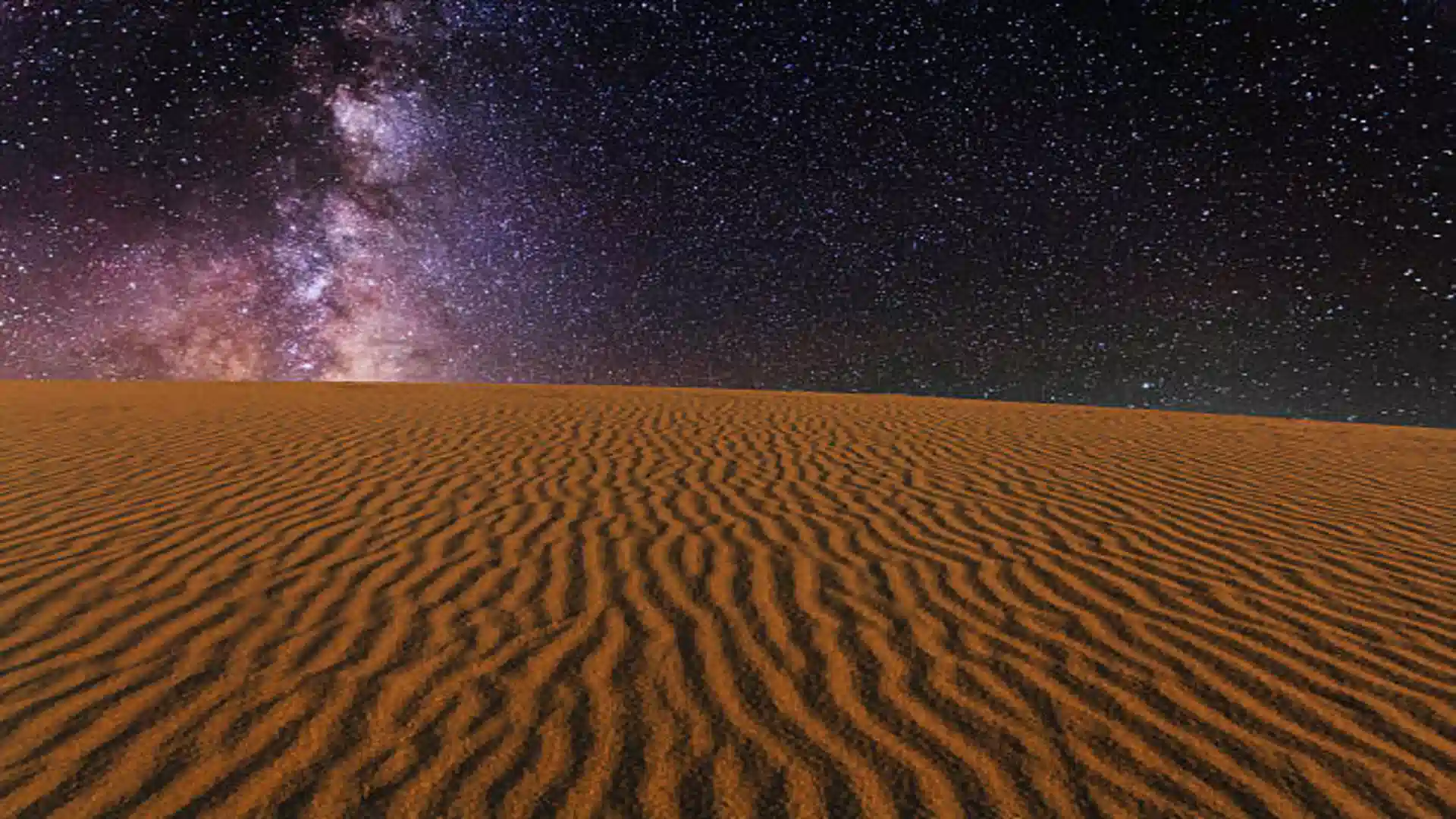
As you approach the lower reaches of the descent, you will pass the historical fortress outpost of Amerzgane, where the mountain landscape finally flattens out into the vast, gravelly desert steppes of the anti-Atlas. Here, the classic architectural vernacular of the deep south becomes dominant: sprawling, mud-brick kasbahs and fortified ksour villages rise out of the desert floor, their crenellated towers and geometric clay brickwork perfectly matching the color of the surrounding earth. This region allows you to glide directly from the high mountain passes into the dramatic historical architecture of the desert oases, completing the dramatic transition experienced when driving across the Tizi n’Tichka pass in the High Atlas. The final drive into Ouarzazate is a triumphant, flat cruise across an expansive desert basin, with the snow-capped peaks of the High Atlas fading majestically into your rearview mirror, providing a profound sense of accomplishment as you arrive at the undisputed gateway to the Sahara Desert after successfully driving across the Tizi n’Tichka pass in the High Atlas.
The Telouet and Ounila Valley Detour: A Challenging Alternative Route
For experienced drivers seeking an even deeper adventure through the historical heartland of the mountains, the route offers a legendary alternative path along the P1506 secondary road through the Ounila Valley, an adventurous extension for anyone driving across the Tizi n’Tichka pass in the High Atlas. Roughly fifteen kilometers before reaching the main summit on the Marrakech side, a small, clearly marked intersection branches off to the left, directing travelers toward the isolated mountain community of Telouet. Historically, this secondary road was a crucial branch of the main Saharan caravan route, controlled entirely by the powerful Glaoui clan, who amassed immense wealth by levying taxes on the merchant caravans passing through their territory.
Choosing to take this detour adds several hours to your total travel time and presents a far more intense driving challenge than the modernized main highway, fundamentally altering your approach to driving across the Tizi n’Tichka pass in the High Atlas. While the initial section leading to Telouet is paved, it is narrow, lacking a center dividing line, and features rough, crumbling shoulders. The primary destination along this stretch is the magnificent, decaying Kasbah of Telouet. While the outer mud-brick walls of this sprawling palatial fortress are slowly crumbling back into the desert soil, the interior chambers remain an absolute masterpiece of Moroccan craftsmanship, featuring exquisite, intact Andalusian-Moroccan tilework, intricately carved stucco arches, and massive cedar wood ceilings adorned with hand-painted geometric patterns, rewarding those who divert from driving across the Tizi n’Tichka pass in the High Atlas.
Beyond Telouet, the P1506 tracks the dramatic course of the Ounila Valley, winding through a steep, jagged canyon lined with vibrant green palmeries and ancient, multi-tiered mud villages. Historically, large sections of this road were unpaved, rough dirt tracks that required a heavy-duty four-wheel-drive vehicle to successfully navigate, a reality well-known to anyone familiar with the history of driving across the Tizi n’Tichka pass in the High Atlas. While the road has been progressively paved over recent years, it remains highly volatile and vulnerable to the elements. Deep potholes, sudden washouts from seasonal rains, and narrow single-lane bottlenecks around cliff faces mean that drivers must exercise extreme caution. This route eventually terminates at the world-famous UNESCO World Heritage site of Aït Benhaddou before rejoining the main highway just north of Ouarzazate, making it an incredible addition to your journey of driving across the Tizi n’Tichka pass in the High Atlas.
Logistical Checklist for a Successful Traverse
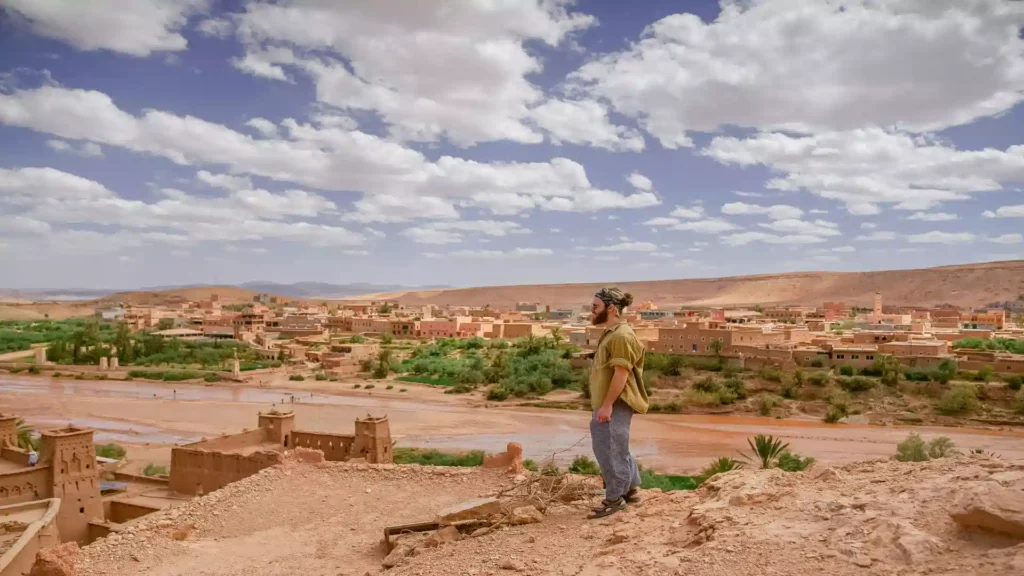
To ensure your journey over the pass is completely seamless, safe, and enjoyable, it is highly useful to implement a structured logistical framework. By organizing your departure times, communications, and safety parameters in advance, you eliminate the common stress points that can derail an alpine road trip when driving across the Tizi n’Tichka pass in the High Atlas.
- Optimal Departure Windows: Always aim to depart your point of origin early in the morning, ideally between 7:00 AM and 8:30 AM. Leaving early ensures that you complete the most technically demanding high-altitude sections of the pass well before the late afternoon, when mountain fog frequently rolls in and convective summer thunderstorms are most likely to develop, ensuring a safer environment for driving across the Tizi n’Tichka pass in the High Atlas. Furthermore, an early departure allows you to navigate the road with significantly lower traffic volumes, beating the fleets of large tour buses and heavy commercial supply trucks that depart later in the day.
- Fuel Management Strategy: Never allow your vehicle’s fuel tank to drop below half capacity before entering the mountain pass corridor. While there are a handful of modern fuel stations operating in the larger towns of Aït Ourir and at the eastern approach near Amerzgane, the central ninety-kilometer mountain pass section has very limited fueling options. Climbing steep mountain grades consumes fuel at a drastically accelerated rate compared to flat highway driving, a critical piece of knowledge for anyone driving across the Tizi n’Tichka pass in the High Atlas. Fill your tank completely before setting off.
- Alternative Transport Options: If navigating these steep slopes, sharp hairpins, and heavy commercial vehicles yourself sounds too stressful, you can look into professional options rather than self-driving. Utilizing an experienced option completely eliminates navigating anxieties, protects you from transport logistics, and allows everyone in your party to focus entirely on the magnificent scenery instead of the mechanics of driving across the Tizi n’Tichka pass in the High Atlas.
- Thermal Layering Wardrobe: Pack a dedicated small bag with warm, windproof clothing layers accessible within the main cabin of your vehicle. Due to the extreme elevation change, you can easily depart a sweltering thirty-five degree Celsius afternoon in Marrakech and arrive at the summit ninety minutes later to find biting winds, heavy fog, or even swirling snow with temperatures hovering near freezing, completely changing the dynamic for motorists driving across the Tizi n’Tichka pass in the High Atlas. Having a warm jacket or sweater easily accessible ensures you can comfortably step out of the car to enjoy the panoramic viewpoints without freezing.
Final Thoughts: A Journey Reimagined
The contemporary reality of driving across the Tizi n’Tichka pass in the High Atlas is a testament to Morocco’s incredible commitment to national infrastructure development. The days of treating this legendary mountain crossing as a terrifying, hazardous obstacle have faded into the past. Thanks to the massive civil engineering feats that have widened the asphalt, added vital overtaking lanes, and stabilized the volatile shale cliffs, the route has been successfully re-engineered into one of the safest, most accessible, and visually stunning alpine road trips in the world, transforming the baseline experience of driving across the Tizi n’Tichka pass in the High Atlas. It provides an irreplaceable bridge between two completely different worlds: the frantic, colorful, imperial energy of Marrakech and the timeless, vast, silent beauty of the Saharan pre-desert.
Yet, despite these massive physical upgrades, the route has not lost an ounce of its wild, majestic soul, remaining a premier destination for those who love overland travel. The sheer elemental power of the High Atlas mountains—the sudden blankets of blinding white fog, the winter snowpacks, and the blazing summer sun—ensures that this road remains a living, dynamic environment that commands absolute respect from behind the wheel during driving across the Tizi n’Tichka pass in the High Atlas. By preparing your vehicle meticulously, mastering the crucial art of engine braking down long descents, practicing patient defensive driving etiquette around large commercial trucks, and embracing the vibrant culture of the roadside communities, you can approach the drive not with apprehension, but with a sense of profound excitement. It is a journey that demands your full attention as a driver, but pays you back tenfold with memories, flavors, and vistas that will stay with you long after the mountain asphalt has flattened out into the desert sands, completing your epic adventure of driving across the Tizi n’Tichka pass in the High Atlas.
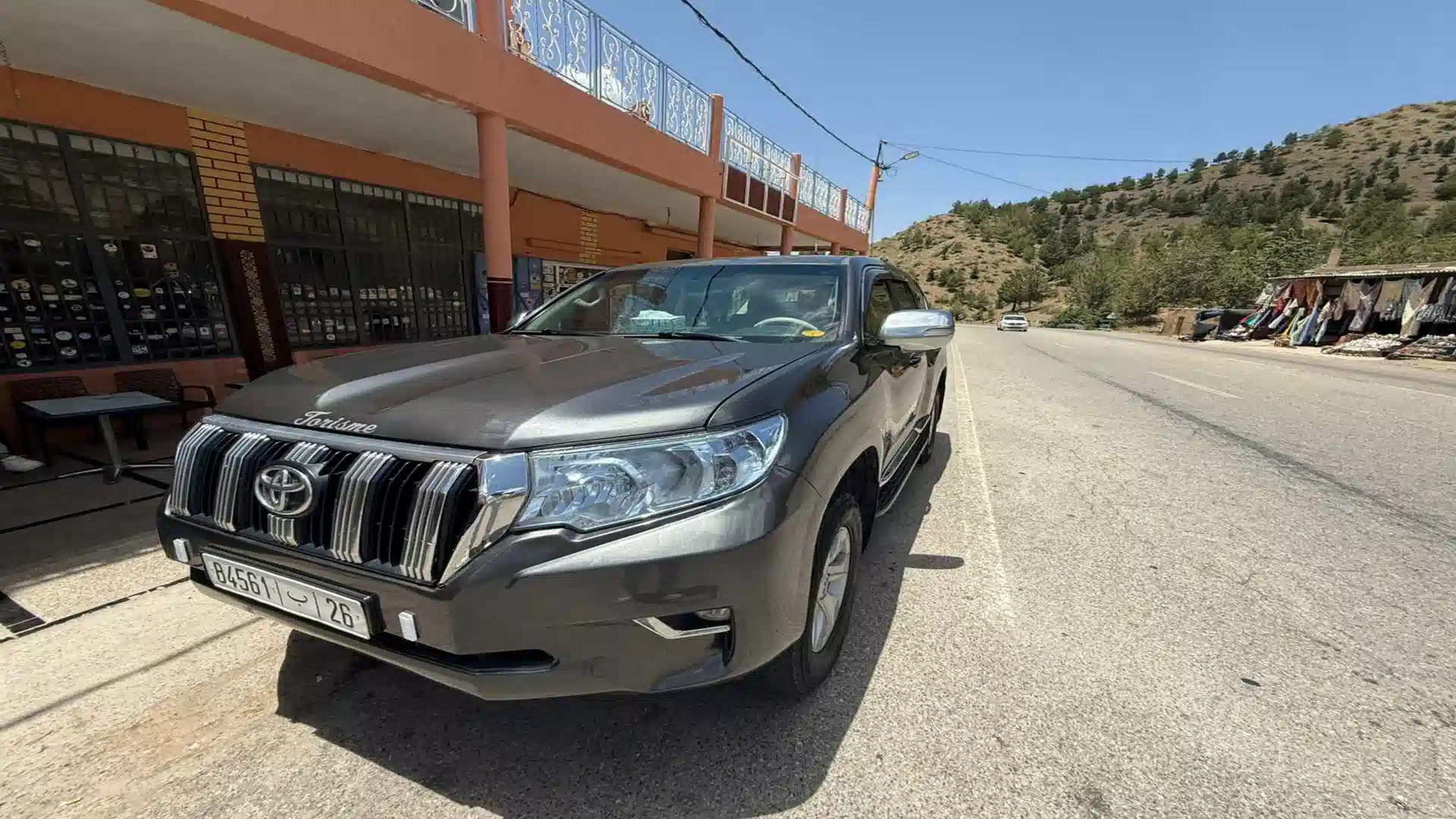
Skip the Stress of the Switchbacks! Don’t spend your Moroccan vacation white-knuckling a steering wheel on blind alpine curves. Let our expert local drivers handle the Tizi n’Tichka pass while you sit back, relax, and soak in the breathtaking High Atlas vistas. Book Your Private High Atlas Driver & Tour Today