What Does “Medina” Mean? What Is a “Souk”? Morocco’s Historic Cities Explained
Two words that come up in almost every conversation about travel in North Africa but are constantly confused or assumed to mean the same thing by visitors. A medina is a living urban sanctuary, and a souk is an active trade network thriving within its walls. Master that difference fundamentally, and every guidebook, every tour itinerary, and every cultural interaction throughout Morocco snaps into immediate focus.
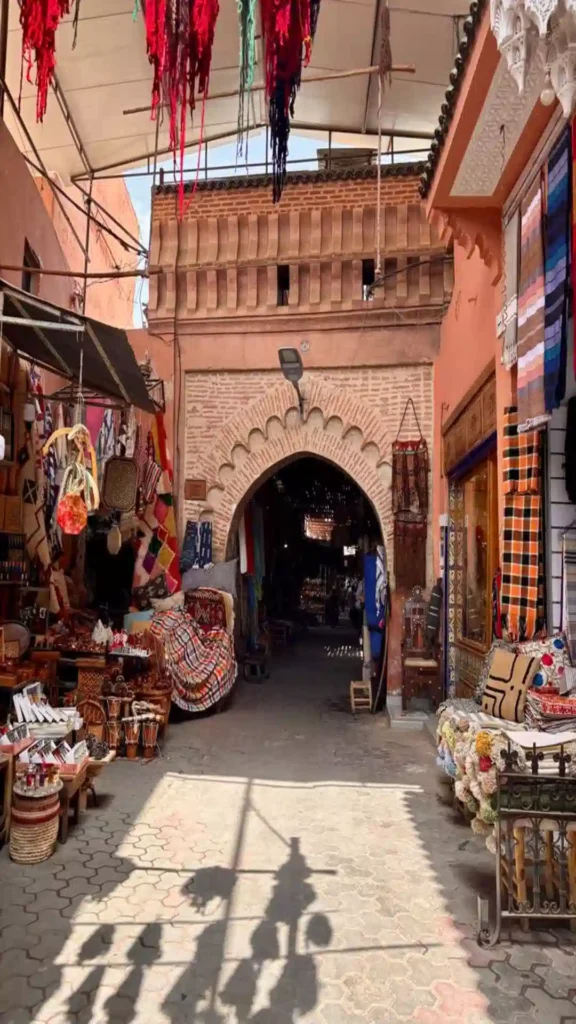
Wandering through the narrow, car-free streets that define what a Medina means in everyday Moroccan life.
This definitive authority guide provides comprehensive answers to what does medina mean and what is a souk. It explores the architectural evolution, social organization, economic structures, and spatial relationships that define medina vs souk environments. You will discover practical strategies for navigating a Moroccan medina, insider bargaining tips Moroccan souks require, and detailed breakdowns of famous Moroccan old town markets, from the Marrakech medina souks to the legendary walled city of Fes el bali.
Quick Summary: what does medina mean?
- Medina (مدينة, madīna) The Arabic word for city, specifically referring in Morocco to the historic, fortified, car-free old town built prior to 20th-century European expansion.
- Souk (سوق, sūq) The Arabic word for market, describing commercial quarters, specialized craft alleys, or weekly open-air trading centers operating within or near a medina.
- Core Relationship: A souk is an integrated commercial zone inside a medina. A medina contains souks but also houses residential quarters, mosques, schools, and civic infrastructure.
- Analogy: If a medina functions as a historic European old town, the souk acts as its central commercial marketplace or artisan guild district.
What Does Medina Mean? Linguistic Roots and Historical Context
To thoroughly unpack what “medina” means, one must examine both its linguistic roots and its unique urban evolution across North Africa. Etymologically, the term originates directly from the classical Arabic word مدينة (madīna), which translates simply as “city” or “town.” Across the broader Middle East, the word remains a standard geographical descriptor applied universally to modern metropolises and small towns alike.
In Morocco, however, the term underwent a specialized evolution during the early 20th century. When France established its protectorate in 1912, urban planner Henri Prost instituted strict zoning segregation. European administrative and residential hubs were constructed alongside traditional settlements as modern new towns (villes nouvelles). Consequently, “the medina” became the official and practical designation for the historic, pre-colonial urban core.
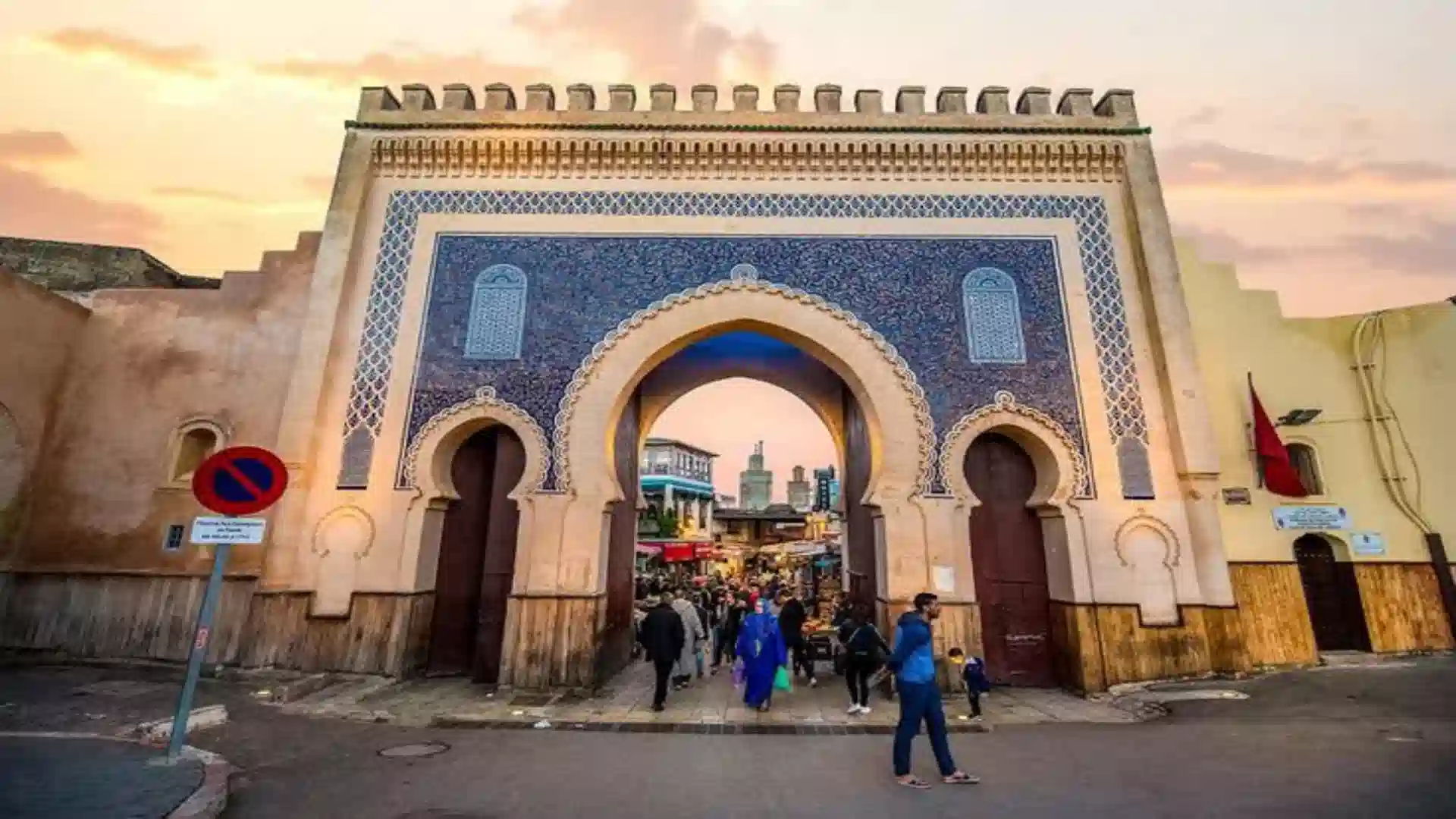
Architecturally, a medina is characterized by dense residential clusters, defensive stone or rammed earth walls (ramparts), monumental access gates (babs), and an intricate network of narrow pedestrian lanes. Designed around microclimatic principles, these high-walled alleys shield residents from intense heat while optimizing social privacy. Far from being simple heritage monuments, Morocco historic medinas remain vibrant, fully functional urban ecosystems where hundreds of thousands of people live, work, pray, and socialize daily.
What Is a Souk? The Anatomy of Traditional Commerce
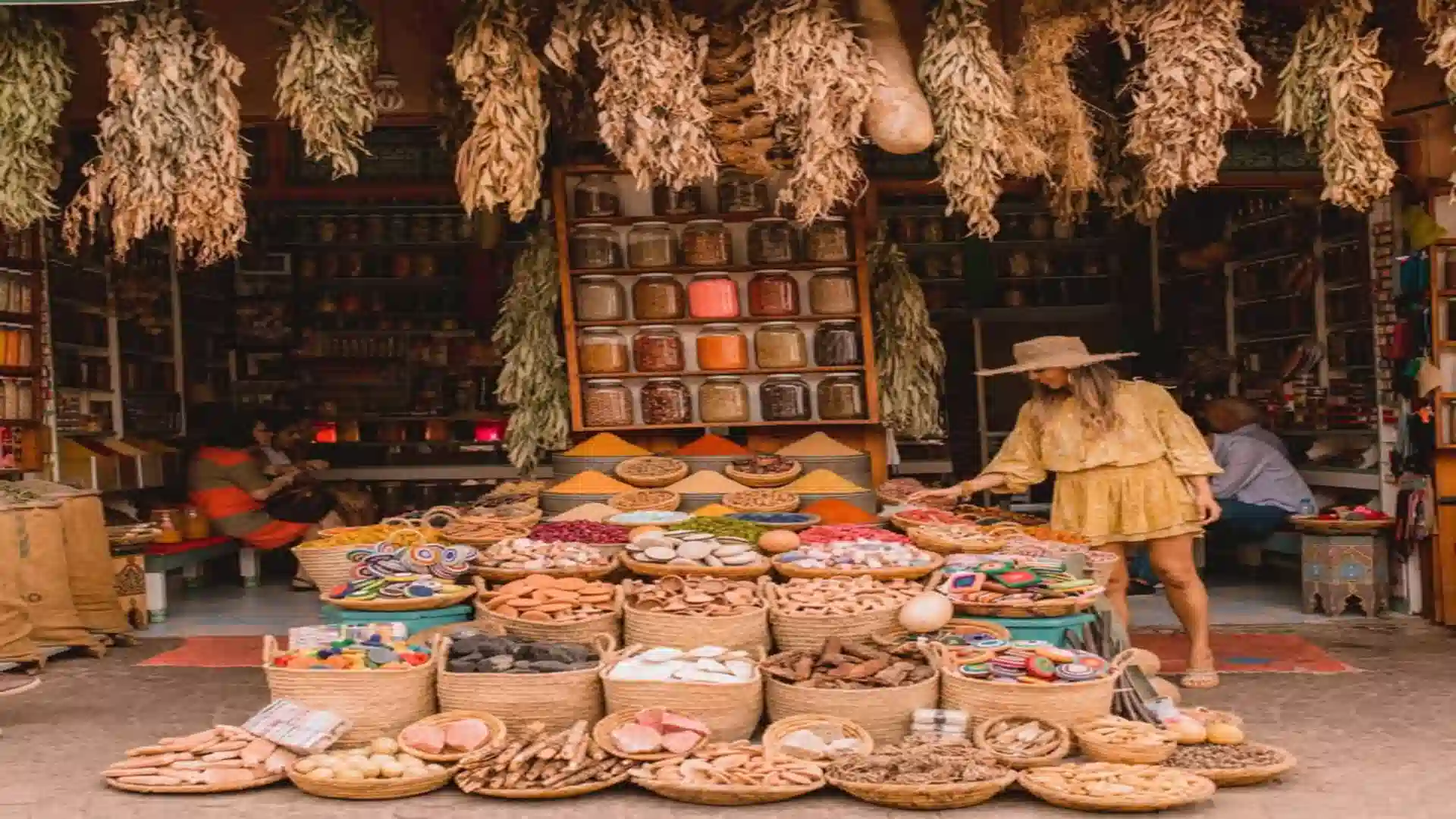
When investigating what is a souk, travelers discover an ancient commercial system organized with astonishing precision. Derived from the Arabic word سوق (sūq), a souk is a marketplace where goods, raw materials, and handcrafted items are produced, displayed, and traded. While modern western retail relies on generalized department stores, traditional Moroccan souk shopping operates through specialized merchant guilds organized by craft.
Historically, souks were arranged according to strict urban logic based on hygiene, noise levels, and material value. Precious commodities like gold, silver, fine silk, and rare spices occupied central lanes near the main congregational mosque (Jamaa). Conversely, noisy or odorous trades such as blacksmithing, coppersmithing, woodwork, and leather tanning were placed toward the outer perimeter or near city gates.
A souk can take multiple forms depending on location and schedule:
- Urban Permanent Souks: Covered or shaded alleyways lined with permanent micro shops operating daily within city centers.
- Rural Weekly Souks: Open-air regional gatherings held on specific days in rural towns (e.g., Souk El Had), where farmers and pastoralists exchange livestock, produce, and household goods.
- Specialized Craft Guild Souks: Dedicated quarters where artisans manufacture and sell specific wares side by side, such as Souk Semmarine or Souk Cherratine.
Medina vs Souk: Architectural and Functional Breakdown
Understanding the relationship of medina vs souk is essential for anyone studying Islamic urban planning or navigating Moroccan cities. The table below outlines their main structural and cultural differences.
| Feature | Medina (The Urban Container) | Souk (The Commercial Engine) |
|---|---|---|
| Primary Purpose | Holistic living area comprising homes, religious sites, social facilities, and markets. | Dedicated economic exchange, wholesale trade, artisan manufacturing, and retail sales. |
| Spatial Layout | Enclosed within fortified walls, subdivided into residential quarters (derbs). | Concentrated along main arterial thoroughfares or gathered in specialized plazas. |
| Social Dynamic | Private, calm, residential, community-focused, and family-oriented. | Public, energetic, highly communicative, commercial, and visitor accessible. |
| Key Components | Riads, mosques, madrasas, public hamams, bakeries, communal fountains, and souks. | Stalls, workshops, fondouks (merchant inns), storage facilities, and trade offices. |
| Operating Hours | Active 24 hours a day for local residents returning home to residential alleys. | Typically open from 9:00 AM to 8:00 PM, closing during Friday communal prayers. |
The Five Pillars of Medina Neighborhood Infrastructure
To fully appreciate why a medina is far more than a simple collection of Moroccan old town markets, one must look at how traditional neighborhoods (houmas) were organized. Every residential sector was designed as a self-contained community anchored by five essential public institutions:
- The Mosque (Masjid): The spiritual center of daily neighborhood life, hosting five daily prayers and serving as a community gathering space.
- The Communal Bakery (Farran): A neighborhood wood-fired oven where families bring homemade bread dough to be baked fresh every morning.
- The Public Bathhouse (Hammam): A steam bath essential for personal hygiene, ritual washing, and social interaction among neighbors.
- The Public Water Fountain (Saqifa): Intricately tiled zellige fountains supplying fresh drinking water to nearby households before indoor plumbing.
- The Quranic School (Kuttab): An educational sanctuary where local children traditionally learned reading, writing, and religious recitation.
This thoughtful socio-spatial layout ensured that residents could fulfill all their daily spiritual, dietary, and social needs within a short walk of their front door, completely independent of commercial souk activity.
Exploring Morocco’s Most Iconic Medinas
| Medina | Key Architectural Features | Famous Souks & Highlights |
|---|---|---|
| The Walled City of Fes El Bali | Founded in the 8th century, featuring over 9,000 car-free alleys, massive ramparts, and historic madrasas. | Chouara Tanneries, Souk Attarine (spices), Souk Henna, and Al Qarawiyyin University are all located in the Walled City of Fes El Bali. |
| Marrakech Medina | 11th-century Almoravid foundation renowned for red earth walls, grand riads, and open public squares. | Jemaa el Fnaa square, Souk Semmarine (textiles), Souk Haddadine (blacksmiths), and Rahba Kedima are all key attractions. |
| Chefchaouen Medina | Rif Mountain citadel, founded in 1471, is renowned for its blue-washed residential walls and Andalusian design. | Plaza Uta el Hammam features artisanal wool weaving stalls and native leather craft shops. |
| Essaouira Medina | 18th-century coastal fortress designed by French architect Théodore Cornut, built on a grid plan. | Thuya wood carving workshops, fish market grill stalls, and silver jewelry souks. |
| Tetouan Medina | UNESCO protected a gem with strong Hispano Moorish influences, white buildings, and preserved trade divisions. | El Ensanche borders markets, leather tanneries, and traditional ceramic tile workshops. |
For a full breakdown of Morocco’s urban centers, explore our complete guide to cities in Morocco.
Deep Dive: Navigating the Marrakech Medina Souks
The Marrakech Medina souks represent one of the world’s most intense commercial experiences. Stretching north from the iconic Jemaa el Fnaa square, this labyrinth houses over 10,000 independent shops and artisan workshops.
Key specialized markets within the Marrakech network include:
- Souk Semmarine: The broad central corridor lined with high-end textiles, pashmina shawls, brass lanterns, and antique carpets.
- Souk El Kebir: Famous for fine leather craftwork, including handmade slippers (babouches), bags, belts, and jackets.
- Rahba Kedima (Spice Square): An open plaza filled with woven baskets containing aromatic spices, dried herbs, traditional cosmetics, and argan oil.
- Souk Zrabi: The main carpet trading market where auctions take place late every afternoon.
- Souk Sebbaghine (Dyers’ Souk): A vibrant alley where raw wool and silk skeins are freshly dyed in large copper cauldrons and hung overhead to dry.
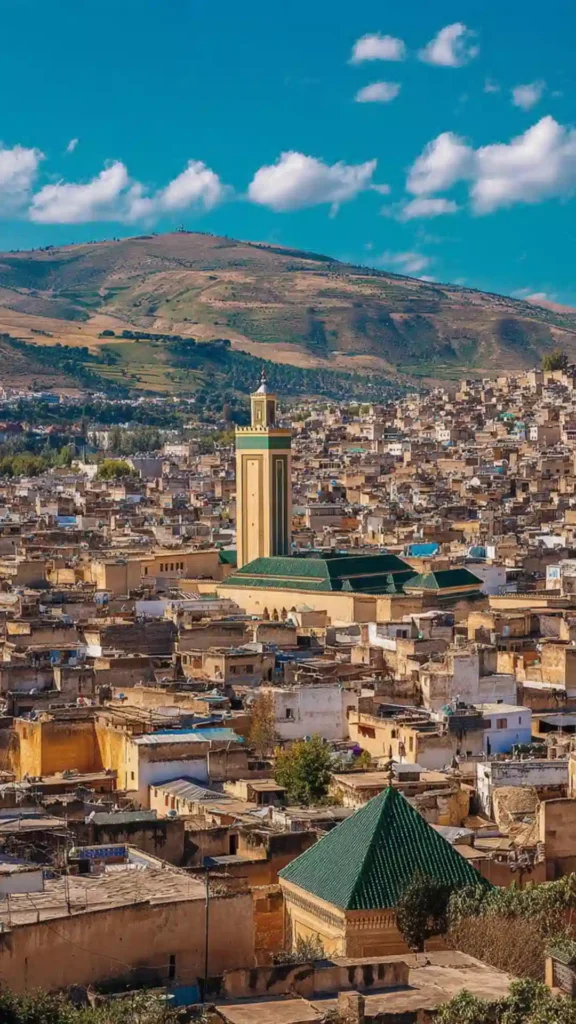
Panoramic rooftop view of the iconic white minaret and vibrant green-tiled roofs of the Al-Qarawiyyin complex.
Deep Dive: The Walled City of Fes El Bali
The walled city of Fes el Bali offers an unbeatable look into medieval urban life. Founded by Idris I in 789 AD, this UNESCO World Heritage site is widely recognized as the world’s largest contiguous car-free urban environment.
Using a comprehensive Fez Medina guide is crucial because its 9,500 winding alleys defy simple mapping. Key historical highlights include:
- Chouara Tanneries: Massive stone vats filled with natural dyes and liquids where animal hides have been processed manually since the 11th century.
- Al Qarawiyyin Mosque and University: Recognized by UNESCO as the oldest continuously operating university in the world, founded by Fatima al Fihri in 859 AD.
- Bou Inania Madrasa: An incredible example of Marinid architecture showcasing hand-carved stucco, cedar woodwork, and intricate zellige tile patterns.
- Fondouk El Nejjarine: A beautifully restored 18th-century merchant inn now housing the Museum of Wooden Arts and Crafts.
Practical Advice for Navigating a Moroccan Medina
Step into any historic quarter, and the sensory overload can feel overwhelming. Master navigating a Moroccan medina with these practical travel tips:
- Understand Street Signage Conventions: Hexagonal street signs usually denote main thoroughfares leading to city gates or plazas. Square signs often mark dead-end residential alleys (derbs).
- Use Offline GPS Tools Smartly: Download offline maps via Maps.me or Google Maps before entering. Deep stone alleys can block satellite signals, so focus on major landmarks like mosques or city gates.
- Yield Right of Way to Transport: In car-free zones, keep right when you hear “Balak! Balak!” (Make way!). This warns pedestrians that handcarts, loaded mules, or motorbikes are passing through.
- Hire Licensed Official Guides: Avoid unsolicited offers from unofficial guides on the street. Book verified, licensed guides through official tourist offices or your riad.
- Carry Small Currency Denominations: Merchant stalls rarely have change for large bank notes. Keep small dirham notes and coins handy for quick purchases and tips.
Mastering the Bargaining Tips Moroccan Souks Demand
Price negotiations in Morocco are an essential cultural ritual built on mutual respect and social interaction. Use these proven bargaining tips Moroccan souks require to negotiate fairly:
- Research Baseline Market Values First: Visit fixed-price government artisanal centers (Ensemble Artisanal) to check baseline quality and fair retail pricing before buying in the souks.
- Let the Vendor Name the Opening Price: Never make the first offer. Allow the shopkeeper to set a starting point, then counter with a fair offer based on your budget.
- Maintain a Relaxed, Polite Demeanor: Treat bargaining as an enjoyable conversation rather than a confrontation. Smile, exchange greetings, and enjoy a glass of offered mint tea.
- Use the Power of Walking Away: If negotiations stall above your intended price, politely thank the merchant and walk away. They will often call you back with a better price.
- Commit Only When Ready to Buy: Name a price only if you intend to buy at that rate. Agreeing on a price and then walking away is considered bad form.
Domestic Architecture: Riads and Dars Within Medina Walls
You cannot explore medinas without understanding traditional home design. Domestic architecture inside Moroccan historic medinas is completely inward-facing (introverted), reflecting Islamic values of family privacy and protection from harsh weather.
From the outside, home facades appear plain and windowless, featuring simple wooden doors along narrow earthen alleys. Once inside, however, they open into grand, sunlit courtyards:
- Riad (رياض): Derived from the Arabic word for garden. A traditional mansion featuring an interior courtyard garden with fruit trees (usually orange or lemon) and a central fountain.
- Dar (دار): A traditional home centered around a tiled open-air courtyard without a central garden planted in soil.
Today, hundreds of these historic homes have been restored into boutique guest houses, offering travelers a peaceful retreat just steps from the busy commercial souks.
Preserving Morocco’s Historic Medinas for the Future
Maintaining urban structures built hundreds of years ago presents major modern challenges. Rising population density, aging infrastructure, overtourism, and structural wear demand ongoing preservation programs.
The Moroccan government, backed by UNESCO and international restoration funds, has launched extensive preservation initiatives across major urban centers:
- Restoration of Historic Foundations: Shoring up aging foundation walls and restoring crumbling residential arches using traditional lime mortar and rammed earth techniques.
- Support for Artisan Guilds: Establishing trade schools to pass traditional master skills (maalem) in zellige tiling, plaster carving, and metalwork to young apprentices.
- Infrastructure Upgrades: Installing hidden underground electrical grids, modern plumbing systems, and fire safety equipment without compromising historic streetscapes.
- Regulated Tourism Growth: Managing tour group numbers in fragile residential alleys to protect local quality of life alongside tourism revenue.
Frequently Asked Questions About What Does “Medina” Mean
Is a souk the exact same thing as a medina?
No. A medina is the entire historic, walled old town district comprising houses, mosques, and public buildings. A souk is specifically a market quarter or commercial alley located within a medina.
What language does the word “medina” come from?
The word originates directly from classical Arabic (مدينة, madīna), meaning “city” or “town.” In Morocco, it refers specifically to precolonial walled old quarters.
Why are Medina streets so narrow and disorienting?
Medinas evolved organically over centuries without grid systems. Narrow alleys kept out midday desert heat, blocked high winds, and provided urban defense against invading forces.
Are cars allowed inside Moroccan medinas?
Most medinas ban motor vehicles due to narrow, winding alleys. Transport relies on foot traffic, handcarts, bicycles, and occasionally mules or small scooters.
Which medina is the largest in Morocco?
The walled city of Fes El Bali is the largest medina in Morocco and stands as one of the world’s largest car-free urban spaces, housing over 9,000 alleys.
Do people still live inside Moroccan medinas today?
Yes. Morocco’s medinas are living, thriving communities where local families reside alongside traditional craft workshops, bakeries, markets, and mosques.
Related Travel Guides and Resources: What Does Medina Mean
Experience Morocco’s Medinas and Souks with Local Experts
Exploring the medinas of Fes, Marrakech, or Chefchaouen is infinitely smoother and more rewarding alongside a local expert guide. Let us design your custom private tour today.