Is Morocco Too Hot in Summer? Complete 2026 Morocco Summer Weather Guide
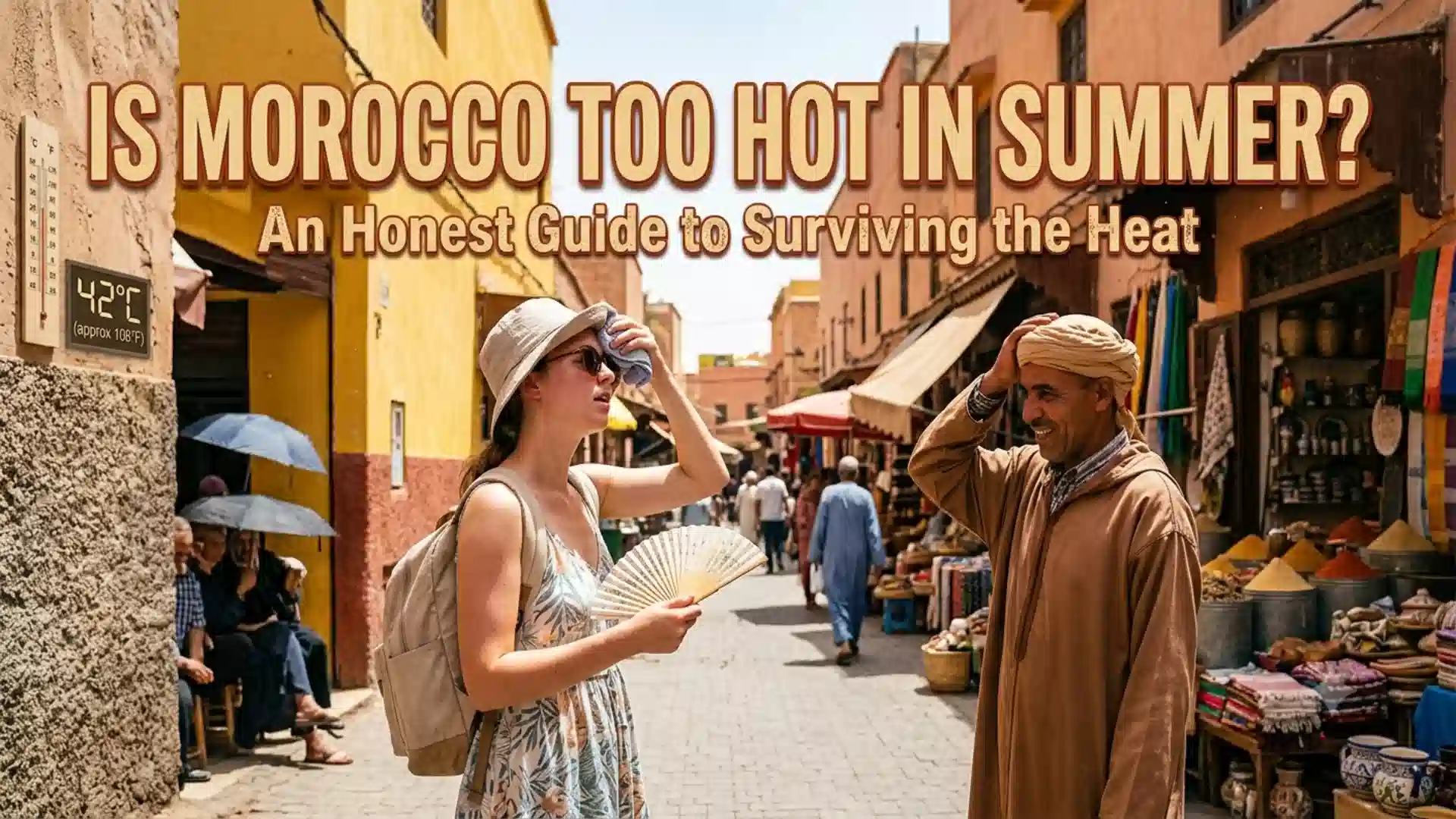
So, is Morocco too hot in summer? It depends entirely on where you go. Understanding Morocco summer weather is essential before booking: while the Sahara Desert and inland medinas bake under intense sun, the Atlantic coast stays pleasantly cool and breezy.
Planning a trip to Morocco in July and August means navigating temperatures that range from a refreshing 22°C on the ocean breeze to 45°C+ in the desert dunes. Managing the Morocco summer heat isn’t about avoiding the country altogether it is about choosing the right regions, timing your daily activities around traditional local rhythms, and following proven regional strategies. Whether you are considering visiting Morocco in summer for coastal beaches, high mountain treks, or vibrant city breaks, this detailed guide shares our top Morocco summer travel tips to ensure a safe, comfortable, and memorable journey.
Every year, thousands of international visitors arrive in North Africa during the peak summer months. Some find themselves overwhelmed by the unexpected mid-day sun, while others experience an incredible vacation filled with uncrowded monuments, discounted luxury riads, refreshing Atlantic surf, and vibrant evening cultural scenes. The difference is preparation, realistic itinerary design, and knowing how regional climates behave across the country.
Table of Contents
Morocco Summer Weather at a Glance: Quick Regional Guide
To help you plan your route effectively, here is a complete comparison of daytime and night-time average conditions across Morocco’s most popular travel destinations during the peak summer period (July and August):
| Region / City | July & August Temp (Day) | July & August Temp (Night) | Summer Verdict & Climate Style |
|---|---|---|---|
| Marrakech | 38–42°C | 22–26°C | 🟠 Hot morning visits & Riad afternoon breaks required. |
| Fes | 36–40°C | 20–24°C | 🟠 Hot narrow stone medina traps dry heat. |
| Casablanca & Rabat | 26–30°C | 18–22°C | ✅ Mild & comfortable coastal climate with ocean humidity |
| Agadir | 26–30°C | 18–22°C | ✅ Best summer beach hub in Morocco; frequent coastal fog |
| Essaouira | 22–26°C | 16–18°C | ✅ Coolest escape: continuous trade winds keep air fresh |
| Chefchaouen | 30–36°C | 18–22°C | 🟠 Warm mountain air cools down significantly at night. |
| Tangier | 28–32°C | 18–22°C | ✅ Pleasant Mediterranean summer weather; coastal breeze |
| Merzouga & Zagora (Sahara) | 42–47°C+ | 25–30°C | 🔴 Extreme overnight dune camping not recommended |
| High Atlas Mountains (2,000m+) | 22–28°C | 10–14°C | ✅ Excellent conditions for summer trekking and village stays |
| Ouarzazate | 36–41°C | 22–26°C | 🟠 Hot semi-arid early morning Kasbah visits only |
| Meknes & Volubilis | 35–39°C | 19–23°C | 🟠 Hot unshaded Roman ruins require early arrival. |
| Dades & Todra Gorges | 32–36°C | 18–22°C | 🟡 Warm shaded canyon walls offer relief from direct sun. |
Understanding Morocco in July and August: Why Weather Varies
When visiting Morocco in summer, you will experience drastically different weather depending on geography from cool ocean breezes to dry desert winds. Morocco sits at the unique geographical meeting point of three major climate systems: the Atlantic Ocean to the west, the Mediterranean Sea to the north, and the vast Sahara Desert to the south and east. Divided by the massive High Atlas and Anti-Atlas Mountain ranges, these geographical features create microclimates that behave entirely differently during June, July, and August.
The four primary climate drivers in summer:
1. The Atlantic Ocean & Trade Winds (Alizés)
Along the entire western coast spanning Tangier, Rabat, Casablanca, Essaouira, and down toward Agadir the Atlantic Ocean keeps daytime temperatures regulated. A persistent sea breeze known locally as the Alizé blows across the coastline throughout the summer months. In coastal towns like Essaouira, this wind is so strong and consistent that maximum daytime temperatures rarely surpass 25°C, even during national heatwaves.
2. The Continental Inland Heating
Once you cross the coastal mountain plains moving inland toward central cities like Marrakech, Fes, and Meknes, the cooling ocean influence evaporates completely. These lowland plains trap dry continental air. Without moisture or oceanic air movements, solar radiation rapidly heats the ground, driving afternoon temperatures upward into the high 30s and low 40s.
3. The High Atlas Mountain Barrier
The High Atlas mountain chain rises to peaks over 4,000 meters (including Mount Toubkal at 4,167 m). This physical wall acts as a thermal shield. As you climb higher into mountain valleys, the temperature drops according to standard atmospheric lapse rates roughly 6.5°C lower for every 1,000 meters of elevation gain. While Marrakech (at 450m elevation) swelters at 40°C, the mountain village of Imlil (at 1,740m elevation) rests comfortably at 27°C.
4. The Saharan Heat Engine & Chergui Winds
South and east of the Atlas range, the landscape transforms into a rocky stone desert (hamada) and shifting sand dunes (erg). Here, the sun shines uninterrupted for up to 12 hours a day. Occasionally, a hot, dry desert wind called the Chergui blows from the Sahara toward the northwest, temporarily raising temperatures inland and briefly scorching even coastal zones for a day or two.
Detailed City & Region Breakdown: Navigating Morocco Summer Heat
Marrakech: High Temperatures & Smart City Rhythms
Marrakech in July and August is undeniably hot, with daily temperatures climbing between 38°C and 42°C and occasionally reaching 45°C during intense heat waves. However, the air is extraordinarily dry rather than humid, which makes heat dissipation much easier for the body compared to tropical destinations.
The city was historically designed to deal with this exact climate. The traditional medina features narrow, high-walled alleyways that shade walking paths from direct overhead sun. Clay plaster (tadelakt) and thick stone walls used in riad construction insulate interior courtyard living areas, keeping them up to 10°C cooler than the exterior street level.
How to enjoy Marrakech in peak summer:
- Early Mornings (07:00 – 10:30): Explore outdoor palaces like Bahia Palace, Saadian Tombs, and the Jardin Majorelle when temperatures hover around a pleasant 24–28°C.
- Afternoon Rest (11:30 – 16:30): Head back to your air-conditioned riad or hotel. Spend the hottest hours enjoying a long lunch, swimming in a courtyard pool, or experiencing a traditional cooling spa hammam treatment.
- Late Afternoons & Evenings (17:30 Onward): As the sun drops below the horizon, Marrakech transforms into a buzzing evening city. The iconic Jemaa el-Fnaa square fills with food stalls, performers, and night markets operating comfortably under warm night skies.
Fes & Meknes: Ancient Medinas & Thermal Dynamics
Like Marrakech, the imperial city of Fes experiences hot summers averaging 36°C to 40°C. Fes el-Bali (the historic ancient medina) is the world’s largest car-free urban area, containing over 9,000 narrow winding pedestrian streets.
Because these medieval corridors are tightly packed, direct sunlight rarely hits ground level in the deeper quarters of the medina. However, late in the afternoon, stone structures radiate heat absorbed throughout the day. Visiting historical sites such as the Chouara Tannery is best scheduled for early morning hours before sun exposure intensifies natural tanning vat aromas.
The Sahara Desert (Merzouga & Zagora): Is It Possible to Visit in Summer? Morocco Summer Heat
The most common question travelers ask is whether they can visit the desert dunes of Erg Chebbi in Merzouga or Erg Chigaga in Zagora during summer.
During July and August, daytime conditions in the desert are extreme, frequently reaching 44°C to 48°C. Standard canvas desert tents trap immense heat during the day, and sand temperatures become far too hot for afternoon camel walking.
Our Professional Recommendation: If you must travel to the desert during summer, avoid standard desert camping. Instead, book an air-conditioned luxury kasbah hotel on the edge of the dunes with a swimming pool. Experience the dunes exclusively at dawn (05:30 to 08:00 AM) for sunrise photography and early camel walks, while staying indoors in air-conditioned comfort throughout the afternoon hours.
The Coastal Refuges: Essaouira, Agadir, Taghazout & Oualidia: Visiting Morocco in Summer
Morocco’s western coastline provides the ultimate answer to summer heat. These locations offer ideal weather for travelers looking to enjoy traditional culture alongside comfortable outdoor conditions:
- Essaouira (22°C–25°C): Known as the “Wind City of Africa,” this historic fortified port city enjoys cool maritime temperatures all summer. Shorts and light jackets are commonly needed in the evenings.
- Agadir & Taghazout (26°C–29°C): Perfect for beach lovers, surfers, and families. Features clean modern beach promenades, world-class surf breaks, and reliable sunshine without oppressive inland heat.
- Oualidia (24°C–27°C): Famous for its protected sea lagoon, oyster farms, and calm swimming waters ideal for families with young children.
The High Atlas & Rif Mountains: Altitude Escapes
Escape the valley heat by heading upwards. The mountain regions of Morocco provide stunning landscape views, outdoor adventure, and refreshing cooler air:
- Ourika Valley & Imlil (22°C–28°C): Located just a 1- to 2-hour drive from central Marrakech, these mountain valleys offer cool riverbank dining, terraced Amazigh (Berber) villages, and refreshing waterfalls.
- Chefchaouen (30°C–34°C): Tucked high into the northern Rif Mountains, the famous “Blue Pearl” can get warm at midday, but mornings and evenings are pleasantly breezy and perfect for walking photography.
Summer Month Breakdown: June vs. July vs. August
Not all summer months behave identically in North Africa. Here is how the climate shifts across the mid-year calendar:
June in Morocco (Transitional Warmth)
June offers an ideal warm-up period. While inland temperatures begin climbing (averaging 32°C–36°C in Marrakech), nights remain crisp and fresh. Tourist crowds are manageable, prices are competitive, and mountain trails are completely open and snow-free.
July in Morocco (Peak Summer Solar Output)
July brings long days with high clear sun. Inland zones regularly hit peak daily maximums. Atlantic coastal towns experience their best beach weather with clear water and sunny skies. Early morning planning becomes crucial for inland city tours.
August in Morocco (Peak Heat & Coastal Energy)
August sees peak overall temperatures across inland Morocco alongside higher humidity along northern coastlines. August is also the primary holiday month for domestic Moroccan families and European visitors, creating vibrant evening atmospheres along the beaches of Tangier, Agadir, and Essaouira.
The Ultimate Packing List for Visiting Morocco in Summer
Packing correctly for a summer trip to Morocco requires balancing heat management, UV protection, and cultural respect for modest local dress norms across urban and rural communities.
| Item Category | Recommended Clothing / Gear | Why It Is Critical |
|---|---|---|
| Fabrics | 100% Linen, Lightweight Organic Cotton, Bamboo | Synthetic fabrics (polyester, nylon) trap sweat and create discomfort in dry heat. Natural weaves allow skin air circulation. |
| Tops & Shirts | Loose long-sleeved linen shirts, breathable tunics | Long sleeves keep direct sun off your arms while remaining cooler than exposed bare skin in 40°C heat. |
| Bottoms | Wide-leg linen trousers, long maxi skirts, loose chinos | Provides total UV protection, keeps legs cool via air gaps, and respects cultural modesty in historic medinas. |
| Sun Protection | Wide-brimmed straw hat, UV400 Sunglasses, Mineral Sunscreen (SPF 50+) | Intense UV index levels (10+) during summer middays require continuous facial and eye protection. |
| Footwear | Breathable leather sandals, lightweight canvas sneakers | Cobblestone medina streets require comfortable walking support while preventing heat accumulation around feet. |
| Hydration Gear | Insulated stainless steel water bottle, electrolyte powders | Keeps water cold for hours during walks and replenishes essential minerals lost through sweat. |
| Evening Layers | Light denim jacket or cardigan, cotton shawl | Essential for coastal ocean winds in Essaouira or cool evening air in High Atlas mountain villages. |
Top Practical Morocco Summer Travel Tips
Beyond smart packing and timing, adopting these local cultural habits will elevate your comfort level significantly during your trip:
1. Drink Fresh Mint Tea & Citrus Juices Smartly
It may sound counterintuitive to drink a warm beverage during summer, but fresh Moroccan mint tea causes a mild natural sweating reflex that cools the body without shocking your internal digestive system. Additionally, fresh orange juice stalls found across city squares provide a natural, nutrient-rich booster during warm morning strolls.
2. Upgrade to Riads with Swimming Pools or Plunge Pools
When choosing accommodation in interior cities like Marrakech, Fes, or Taroudant, prioritize boutique riads featuring courtyard plunge pools or rooftop swimming access. Returning to cool water after a morning walk in the medina completely transforms your travel experience.
3. Book Private Air-Conditioned Transportation
Always drive long distances across mountain passes or highway stretches between cities in modern vehicles equipped with reliable air conditioning. Private driver arrangements allow you total control over departure times, letting you hit the road early at 07:00 AM while the morning air remains crisp.
4. Take Advantage of Summer Perks: Discounts & Lower Crowds
The biggest advantage of visiting Morocco during summer is the financial value and space. Luxury 5-star riads and boutique hotels often reduce room rates by 30% to 50% compared to peak spring/autumn pricing. Furthermore, iconic monuments like the Madrasa Ben Youssef or the Jardin Majorelle can be enjoyed without heavy tourist queues.
The Perfect 10-Day “Beat the Heat” Morocco Summer Heat Route
To help you structure an optimized summer holiday, here is a proven 10-day route designed to maximize time in coastal and mountain microclimates while spending minimal time in heavy afternoon heat:
- Days 1–2: Casablanca & Rabat (Coastal Warm-up) Arrive on the coast. Tour the stunning Hassan II Mosque right on the Atlantic Ocean and stroll through Rabat’s ocean-facing Kasbah of the Udayas (26°C).
- Days 3–4: Chefchaouen (Mountain Air) Travel north into the Rif Mountains. Explore the shaded blue streets, enjoy cool mountain springs at Ras El Maa, and relax at mountain cafes (30°C).
- Days 5–6: High Atlas Mountains / Imlil Valley (High Elevation Escape) Head south to Imlil village (1,740 m). Hike along shaded walnut groves, experience local Amazigh hospitality, and take in mountain panoramas (24°C).
- Days 7–8: Marrakech (Smart Morning Culture) — Spend two days in Marrakech utilizing the early morning strategy. Focus on palaces before 10:30 AM, spend afternoons poolside, and hit evening night markets (39°C).
- Days 9–10: Essaouira (Breezy Atlantic Finale) — End your trip on the coast. Ride camels along windy beach dunes, eat freshly caught grilled seafood along the harbor, and explore breezy ramparts (23°C).
Frequently Asked Questions: Visiting Morocco in Summer
Is Morocco too hot in summer for young children and families?
Not if your itinerary focuses primarily on coastal cities like Agadir, Taghazout, or Essaouira. These beach locations offer mild weather (22°C–28°C), smooth ocean breezes, and great resort facilities. Avoid long interior road trips with young toddlers during July and August.
Can you go to the Sahara Desert in July and August?
Yes, but daytime temperatures in desert dunes regularly top 45°C. Overnight camping in standard fabric tents can be uncomfortable due to lingering heat. If visiting the desert in summer, stay in an air-conditioned kasbah hotel on the edge of the dunes and explore sand formations strictly at dawn.
How do I handle the Morocco summer heat in Marrakech?
Book a room with air conditioning and a plunge pool, schedule all historic sightseeing between 07:00 AM and 10:30 AM, rest indoors through the hottest afternoon hours, and re-emerge for dinner and night exploration around 06:00 PM.
Is air conditioning common in Moroccan hotels and restaurants?
Yes, virtually all modern hotels, boutique riads, upscale restaurants, and private transport vehicles feature powerful air conditioning. However, smaller local street cafes or budget basic guesthouses in remote rural areas may rely on ceiling fans. Always verify AC amenities when booking accommodations.