Is Morocco Safe to Visit in 2026? The Honest Answer from Our Desert Team
Is Morocco safe? Yes. The short answer is yes, it is safe to travel to Morocco 2026. The country recently welcomed more than 17.4 million international visitors, with no major security incidents targeting travelers, has a US State Department travel advisory rating on par with popular European destinations such as France, Spain, and Italy; and it has a violent crime rate against tourists that is low by any global standard. From our experience running tours from Marrakech since 2012, the real risks for travellers regarding Morocco travel safety are not the major threats they worry about before booking. The real problems are the small cons in busy medinas, the constant pressure from vendors, and the occasional traffic chaos, none of which should make you cancel your trip. This guide is a full and honest description of the specific safety information our guides provide to their clients before each trip. This is not a marketing reassurance, but rather a factual breakdown of what is and is not a real risk so you can judge how safe Morocco is at the moment.
Table of Contents
Is Morocco Safe For Tourists 2026?
Quick Answer: When you ask is Morocco safe for tourists 2026 the reality is that the country remains very safe throughout all of the main tourist destinations in the country: Marrakech, Fes, Chefchaouen, Essaouira, Rabat, Casablanca and the Sahara desert routes. The main risks are petty crime and common Morocco tourist scams in crowded medina areas, rather than violent crime or political instability. The table below illustrates the whole risk landscape, so you will know precisely what to expect before you get here.
What is Morocco’s Official Travel Safety Rating?
See official government evaluations for a more comprehensive view of Morocco travel safety. The US State Department currently advises its citizens to “Exercise Increased Caution” when traveling to Morocco (Level 2 destination). That’s the same advisory level already in place for France, Germany, the United Kingdom and Spain. That’s important because many travelers arrive assuming that Morocco must be more dangerous than the European hot spots, but the official comparative risk assessment says it is not.
Other major government jobs for 2026 are:
UK Foreign, Commonwealth & Development Office (FCDO) Confirms safe for tourists. Basic city smarts recommended. Some of the warnings are only applicable to remote areas near the border with Algeria and Western Sahara and are not places where standard tourist itineraries go.
Canada & Australia: Both countries recommend that travelers follow the normal safety precautions when visiting the main tourist circuits and there are no special security warnings for the main cultural centers.
France: The country is viewed as generally stable and safe, with recommendations for normal city vigilance due to common pickpocketing.
That said, it’s worth noting that Level 2 advisories exist because pickpocketing, petty theft, and aggressive vendors are a real problem in busy historic quarters the same reason Paris, Rome, and London all carry the same ratings from global security agencies.
Is it safe for solo female travelers in Morocco?
As to the specific question of whether Morocco is safe for solo female travelers, the answer is yes. Thousands of women travelling alone report that Morocco is one of the most rewarding international trips they have ever made, every month. But the experience requires more preparation, cultural adjustment and mental toughness than destinations in Western Europe.
This is largely due to street harassment in historic districts being more widespread than most solo female travelers have encountered elsewhere. What’s useful is to acknowledge this openly rather than to scare or ignore it.
What Solo Female Travellers REALLY Go Through?
Verbal Attention: Busy souks are rife with catcalling and constant hellos (“gazelle,” “beautiful,” or joking proposals of marriage). This is irritating and sometimes relentless but it is very rarely physical or threatening.
Fake Guide Pressure Unofficial hustlers will more insistently accost lone women than mixed groups or couples, offering navigational “help.”
Practical Tips for Navigating the Medina
To keep your peace of mind and boost your personal security, make these tactical changes:
Dress Modestly Cover your shoulders and knees to conform to local cultural norms and to greatly reduce unsolicited vendor attention.
Walk with Purpose: Walk with Self-Confidence. Instead of stopping in the middle of a busy thoroughfare, if you want to check your directions go into a shop or cafe.Sunglasses. Eye contact, avoided in crowded market situations, can naturally deter some unwelcome approaches.
Firm Language A polite but absolutely firm “La Shukran” (No, thank you) said without breaking your stride or smiling will end 90% of common hustles.
Hire a Licensed Operator: If you do your trip with a good tour company, you will have a consistent, official guide. That one decision removes much of the navigational friction that independent travelers report.
Regional Safety Ratings for Solo Women
Safety dynamics change significantly depending on where you travel in the country:
Is it Safe to Visit Marrakech?
Yes– Is Marrakesh safe? Definitely. Marrakech is very safe for international tourists and welcomes millions of visitors every year without serious incident. There is a special branch of the government, the Brigade Touristique (Tourist Police) that is actively and heavily patrolling the famous Jemaa el-Fnaa square and its surrounding paths. They are specially deployed to protect and help foreign visitors and wear distinctive uniforms and speak fluent English and French.
The main challenges you will face when asking is Marrakech safe? are navigational and financial, not physical:
Jemaa el-Fnaa by Night The main square stays very lively and safe long after dark. Families, performers and international travelers mingle freely. If you’re returning to your accommodation after midnight, avoid dark unlit alleyways and opt instead for a metered petit taxi or a trusted ride-hailing app such as inDrive or Careem, both of which offer transparent, fixed pricing.
Medina Layout The old city is all walkable, although GPS is sometimes slow. Download offline maps with Google Maps or MAPS.I go there myself first, to avoid the intentional confusion that unofficial guides try to take advantage of.
Gueliz (The New City): This modern district is calm, wide, walkable and has very little street pressure, which makes it a great area for first time visitors to unwind.
The situation after the earthquake: The tourism infrastructure is fully operational and all the major historical sites including the Bahia Palace, the Saadian Tombs and the Majorelle Garden are open and enjoying record numbers of visitors. By supporting these local economies, you are directly supporting continued development.
Is Fes Safe for Tourists?
Yes, Fes is safe for tourists but it poses one very specific practical challenge. The ancient Fes el-Bali medina is the world’s largest car-free urban area, containing over 9,000 narrow, winding streets. This extreme layout creates a heavy dependence on local navigation, which unfortunately leads to a higher concentration of unofficial “fake guides” who wait at the historical gates to exploit lost travelers.
The solution to maintaining excellent Morocco travel safety here is straightforward:
Unofficial hustlers at places like Bab Bou Jeloud (The Blue Gate) will come right up to you and offer you short cuts or views of the tannery. Just say “La Shukran” and move on.
Always book through a reputable tour operator or your riad to get an officially licensed, certified guide. A half day with an official guide will cost you around 200-300 MAD, but will take all the stress out of finding your way and will save you from retail commission traps. Away from the main entry gates and the major tannery view platforms, Fes is a profoundly peaceful and rewarding city.
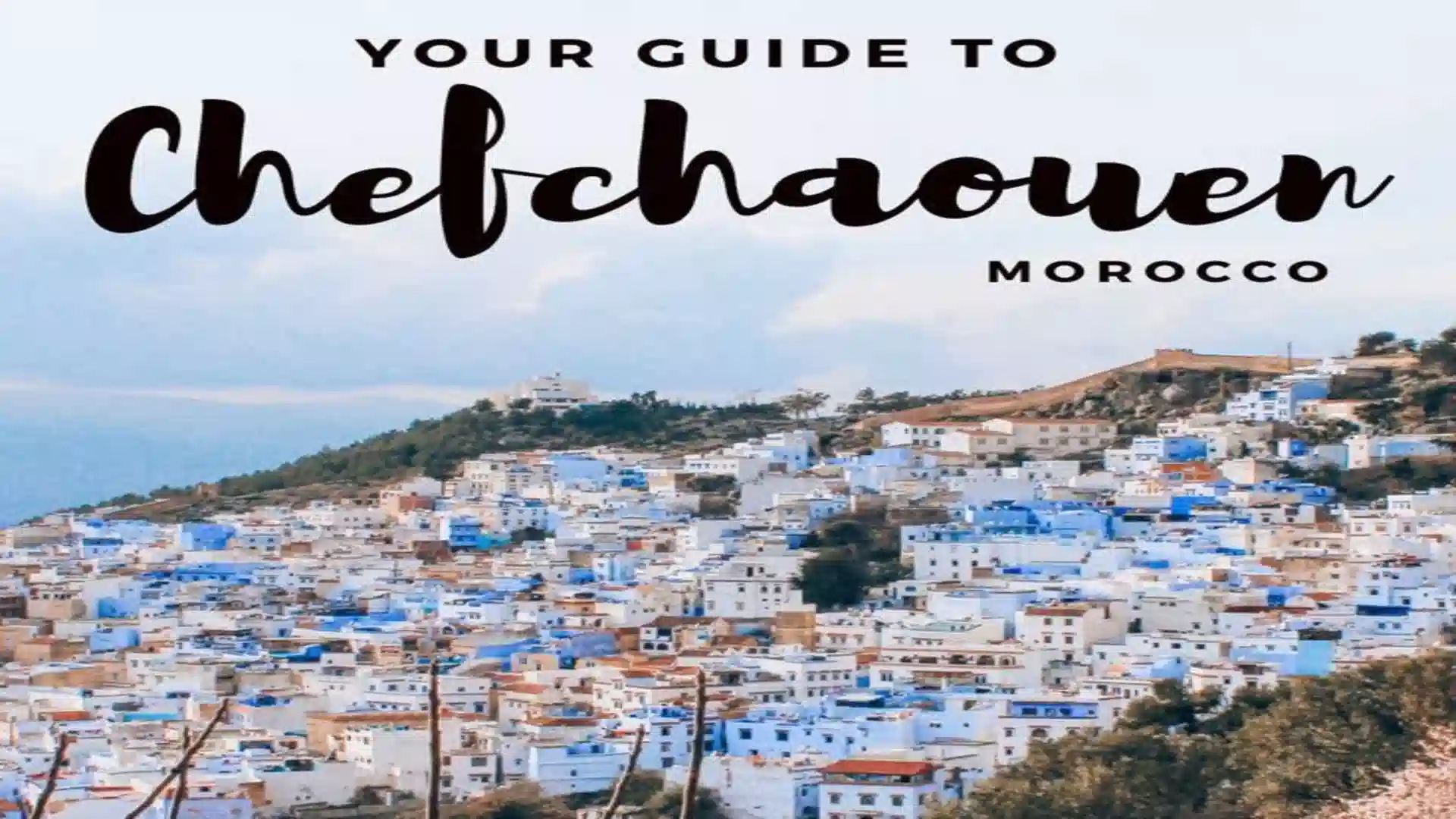
Is Chefchaouen Dangerous?
Chefchaouen is known to be one of the safest, most relaxed and peaceful places in all of Morocco. As it is a compact mountain town, the pressure from local vendors is noticeably less than you will experience in Marrakech or Fes. The striking blue-washed medina is easy to navigate and the overall atmosphere is incredibly tranquil.
Solo travelers (including those wondering if is Morocco safe for solo female travelers) award Chefchaouen the title of their favorite stop because they can walk the streets without being hassled by constant solicitations.
The surrounding Rif region is historically known for growing cannabis. Cannabis products may be sold by street vendors but the Moroccan law hasn’t changed and possession is still completely illegal. To remain fully compliant with local laws, don’t respond to any street offers that come out of nowhere.
The Real Risks in Morocco: Common Morocco Tourist Scams to Avoid
True Morocco travel safety means preparing for what you will actually encounter rather than worrying about violent crime. The two genuine risks that affect travelers are road traffic logistics and financial medina hustles.
The biggest real risk for Morocco is road safety
By the numbers, road accidents are the biggest safety risk for visitors to Morocco. The country’s highway infrastructure has improved drastically with the modern A 7 motorway and the primary national networks being excellent. But, the rural mountain passes and local driving habits require professional handling.
How to cut this down: Always book your transport with a licensed tour operator with professional drivers who have specialized commercial transport licenses and drive modern, insured vehicles. Don’t take a ride from an unlicensed or unvetted street driver at an airport or station.
Don’t rent a car and drive yourself at night on unfamiliar rural or mountain roads.
Common Morocco Tourist Scams to Watch For:
These maneuvers are rarely dangerous and almost never escalate to physical threats, but they can be emotionally and financially draining if you are unprepared.
1) The Fake Guide / False Directions
The scam: A friendly stranger will walk with you, claiming the street ahead is “closed” or offering to show you a secret monument, then demanding a large fee or taking you into a high-pressure carpet shop.
The Defense: Walk with purpose. Never accept a ride from a stranger. If you are really lost, go into a settled store or ask someone connected with a brick and mortar business location for directions.
2) The Broken Meter Taxi
The Tactic: A street taxi driver says they have a broken meter and charges you an inflated flat rate that is 3 to 5 times the cost of the route.
The Defense: Make them turn the meter on (“le meter”) before you get in the cab. Or, use ride-hailing apps with fixed prices like inDrive or Careem to find out the cost beforehand.
3) The Henna “Gift” Trap Morocco tourists scams
The Tactic: A practitioner near busy tourist spots like Jemaa el-Fnaa will casually take your hand and rapidly apply a small henna design, calling it a “free gift” and then aggressively demanding 200–500 MAD.
The Defense: In crowded squares keep your hands relaxed and close to your body. If someone is too close, step away quickly and keep moving. Avoid “black henna” altogether; it is made with chemical dyes (PPD) and can cause severe allergic reactions and burns. Real Moroccan henna is always brown or dark green when applied.
4) The “Your Riad is Closed or Flooded” Story
The Tactic: You are hanging around a medina entryway when someone informs you that your lodging is shuttered, flooded or inaccessible due to a fire and offers you a room in a different hotel.
The Defense. Don’t even read the story. Go straight to the door of your riad by yourself or call the owner directly on a local SIM card to confirm your arrival.
5) The Carpet Shop Diversion
The Tactic: A stranger invites you to a rooftop for a “free panoramic view” or for a complimentary cup of mint tea, which is in fact an entrance into a private showroom with strong social pressure to buy a rug.
The Defense: Hospitality is real in Morocco, but in very dense tourist routes, unsolicited invitations often have a commercial expectation . Buy where you want, pick the places you want, and be totally comfortable saying no.
Is it safe to visit Morocco during Ramadan?
Yes, Morocco is very safe during the holy month of Ramadan and visiting during this period presents an extraordinary opportunity to observe the country’s cultural heritage. The necessary adjustments are operational and respectful, not safety-related. In 2026, Ramadan will be observed from approximately mid-February to mid-March.
What you need to know for your logistics:
- Many local cafés and restaurants in the medinas close during the day, while the restaurants of big hotels and those oriented to tourists keep serving international visitors as usual.
- Local supermarkets usually close down their alcohol sections for the month but licensed bars at bigger international hotels still serve travelers.
- The streets in the city empty out immediately after sunset to celebrate Iftar (the breaking of the fast) and then explode with an unbelievable burst of celebratory energy. In Ramadan, Jemaa el-Fnaa at night is one of the liveliest experiences that North Africa can provide.
- Out of respect for each other please do not eat, drink or smoke in public view during daylight hours.
Morocco Health and Hygiene Security
Morocco Travel Safety: Health Concerns The primary health concern for Morocco travel safety is to avoid waterborne bacteria that can upset a sensitive stomach. You can easily find common over-the-counter medicines in Morocco thanks to its large and very accessible network of modern pharmacies, where pharmacists speak fluent French and English.
Is It Safe to Travel to the Sahara?
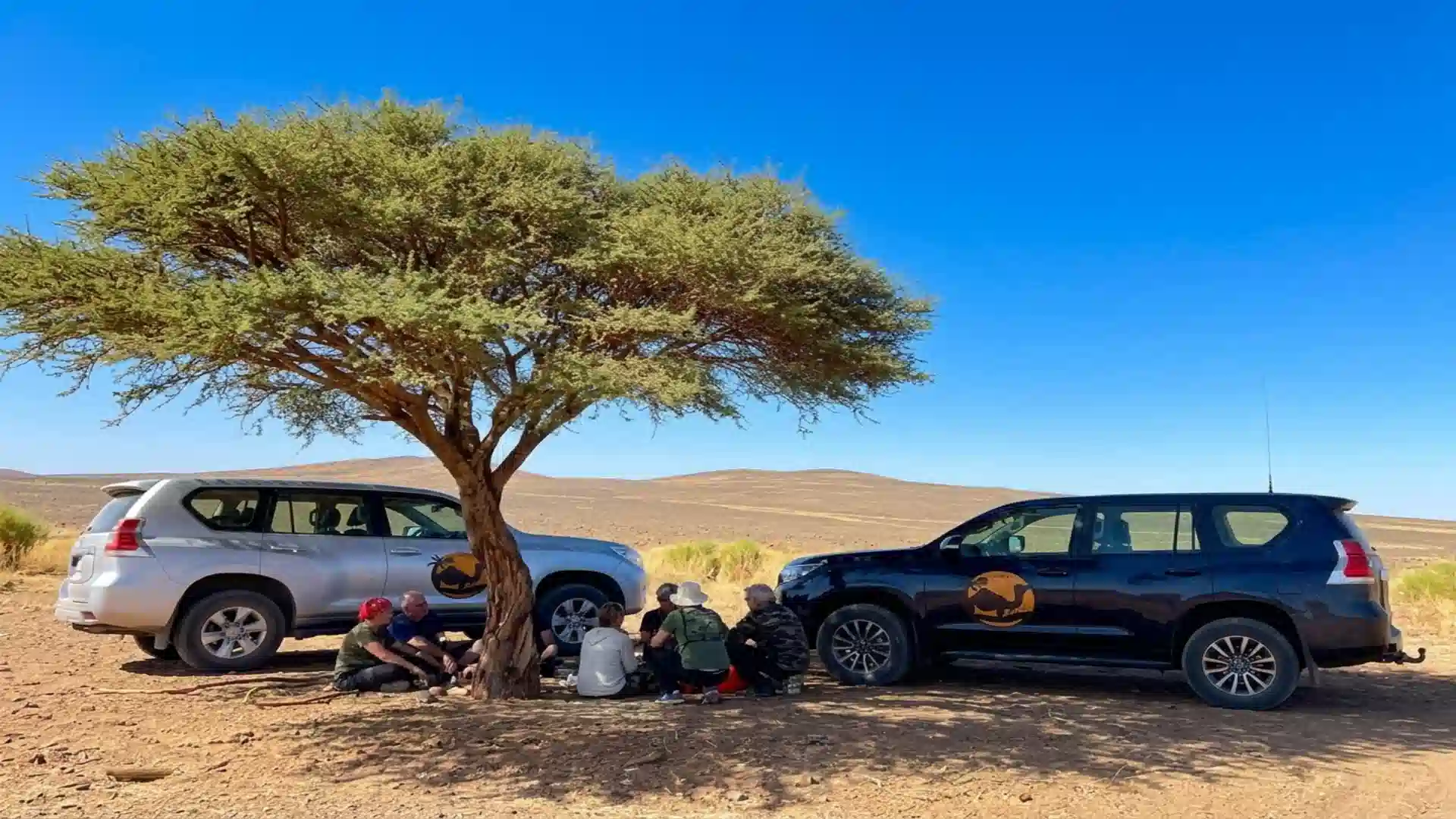
Yes, trips into the Sahara desert to places like Merzouga (Erg Chebbi) or Zagora are incredibly safe when booked through a licensed, professional tour operator. The real challenges of a desert trip are environmental management—drinking enough water and managing sun exposure and the long distances you have to drive to reach the dunes from Marrakech or Fes.
What our professional guiding teams brief travelers on before every desert departure:
- Hydration First: Your private tour vehicle should always carry at least 2 liters of sealed bottled water per person.
- Sun Management: Avoid long periods of direct sun exposure during peak hours (11:00 AM to 3:00 PM), particularly during the hot summer months.Camel Trek Logistics All camels are handled directly by experienced local handlers. Camel riding is pretty safe, as long as you get on the camel in the way your guide shows you.
- Camp Security 1. The desert camps are self-contained and guided, with local teams constantly making sure everything is in order. There is no real crime or external threat to safety in these remote dunes.
- Avoid booking cheap, last-minute desert trips from unvetted street sellers on the morning of departure as these often use substandard vehicles and lack proper safety insurance.
Emergency Contacts and Practical Safety Info for Morocco
Keep this list of essential emergency numbers saved in your phone or printed with your travel documents:
- National Police (Urban Areas): 190
- Royal Gendarmerie (Rural Roads & Highways): 177
- Fire Department & Ambulance Services: 150
- SAMU (Medical Emergencies): 141
- Marrakech Tourist Police Office: +212 524 38 46 01
- US Embassy Rabat: +212 537 637 200
- UK Embassy Rabat: +212 537 63 33 33
- French Embassy Rabat: +212 537 68 97 00
Is Morocco Safe? Frequently Asked QuestionsIs
it safe to travel to Morocco in 2026?
Yes—Morocco is politically peaceful and fully open and is welcoming record numbers of international tourists through mid-2026. The national security framework is very active, and all normal tourist corridors are completely stable.
Is Morocco safe for American tourists?
Yes – American citizens flood Morocco in massive numbers. The United States and Morocco have a long history of friendship and there are no additional risks for U.S. travelers other than the standard urban situation awareness that all international travelers should practice.
Is it safer in Morocco than in Egypt?
Compared to Egypt, Morocco is a little less intense and easier for many travelers to navigate, especially for first-timers traveling solo. On average street solicitations and vendor pressure are generally less aggressive, and the presence of the dedicated Tourist Police provides a highly visible layer of safety in historic centers.
Is it safe to walk around Marrakech at night?
Yes, it is very safe to walk around Marrakech at night, especially in the main tourist areas such as Gueliz, the Hivernage neighborhood, and the main streets of the medina that lead to Jemaa el-Fnaa, all of which are well lit and busy until midnight. Use common sense after hours, like you would in any major city in the world in dark, empty side streets.
Is Morocco safe for LGBTQ+ travelers?
Technically, same-sex intimacy is a crime under Article 489 of the Moroccan penal code. So LGBTQ+ travelers should exercise meaningful discretion and refrain from public displays of affection while traveling. This conservative cultural norm also applies to heterosexual couples since public displays of intimacy are generally frowned upon throughout Moroccan society.
Biggest danger in Morocco for tourists?
The answer is road traffic accidents. Statistically. So the single most important safety decision you can make for your trip is to have a licensed operator with a professional driver handle your travel logistics.
How Morocco’s Safety Compares Globally
To put things into perspective, look at the hard data. Morocco’s intentional homicide rate stands at approximately 1.2 per 100,000 people. For comparison, this is significantly lower than the United States (6.3), entirely comparable to France (1.4), and safely below the global average (6.1).
The table below shows how the country lines up alongside other major travel destinations:
Morocco is statistically ranked as a stable country, with no ongoing internal conflicts. The main risks are financial opportunism (overpricing) and not physical danger
Is Morocco Safe for Families with Children?
Yes, Morocco is a very family friendly country. Moroccan culture is one that venerates children and traveling with your family often breaks down social barriers leading to genuine local hospitality that lone travelers rarely experience.
Family practical considerations:
- Crowd Management: In the tightly packed and busy souks of Marrakech and Fes, keep younger children within arm’s reach, as it is easy to become momentarily separated in the dense foot traffic.
- Food Modifications Moroccan restaurants tend to be very accommodating. Kitchens can easily make plain couscous, chicken skewers grilled, or fresh bread if you have picky eaters.
- Desert Selection with Kids: If you’re planning a trip to the Sahara with small children, choose Erg Chebbi (Merzouga) rather than Erg Chigaga. Merzouga is reached by a direct paved road and shorter camel rides and has a more robust camp infrastructure, rather than long, bumpy 4×4 off-road transfers.
- Summer Heat: If you visit between June and August, plan your outdoor sightseeing for the early morning hours, and make sure your accommodation has an active swimming pool and reliable air conditioning.
Morocco is not the scary, stressful place that the pre-trip anxiety makes it out to be. Our Marrakech team consistently hears how different the country feels in your imagination before you land, and how comfortable it feels by your second day on the ground. Bring realistic expectations, a well-organized itinerary and an open mind, and the country’s legendary hospitality will take care of the rest.
Read Our Related Post of Is Morocco Safe: Expand Your Morocco Travel Planning
To make sure you are fully prepared for every single aspect of your upcoming journey, check out our expert, in-depth planning guides:
- Packing & Culture: Unsure how to dress respectfully while staying cool in the bustling souks? Read our essential styling and packing blueprint: What to Wear in Morocco: The Ultimate Guide.
- Solo Travel Dynamics: Diving deeper into personal safety, solo tracks, and independent navigation? Explore our specialized breakdown for independent adventurers: Best Tips for Solo Travel in Morocco.
- Cultural Nuances & Etiquette: Avoid common social misunderstandings and learn local couple dynamics by reading our guide: Can I Hold My Girlfriend’s Hand in Morocco?
- Desert Trip Planning: Torn between the two major entry points to the dunes for your Sahara overnight? Read our direct comparative analysis: Merzouga vs. Zagora Desert Tour: Which One Is Best for You?
- Budgeting & Expenses: Calibrate your cash requirements, tipping standards, and daily costs accurately with our financial guide: Morocco Travel Budget: Everything You Need to Know.
Our professional team will guide you safely through Morocco
It’s one thing reading about safety protocols on the internet. It’s another to experience the country with complete peace of mind. Our local Marrakech team at Over Morocco Tours has been managing multi-day custom itineraries, remote Sahara treks and luxury transit services across the country since 2012.
Book your trip with a licensed operator like us and the biggest travel risk you face road safety is completely removed. Our team guarantees that you travel only in modern, fully insured, climate controlled vehicles driven by certified professional transport drivers. Plus, our officially licensed guides protect you from the common medina scams and unofficial hustlers, so you can fully immerse yourself in the magic of the destinations with none of the stress.
If you’re looking for a fully bespoke private tour or would prefer to join an expert-led group itinerary for the upcoming season, let our team take care of the logistics, navigation and safety from the moment you land.
Ready to plan your stress-free adventure? Contact our team today to get a customized itinerary quote for your Morocco trip!