What to Do in Morocco: The Complete Guide to Where to Go & What to See
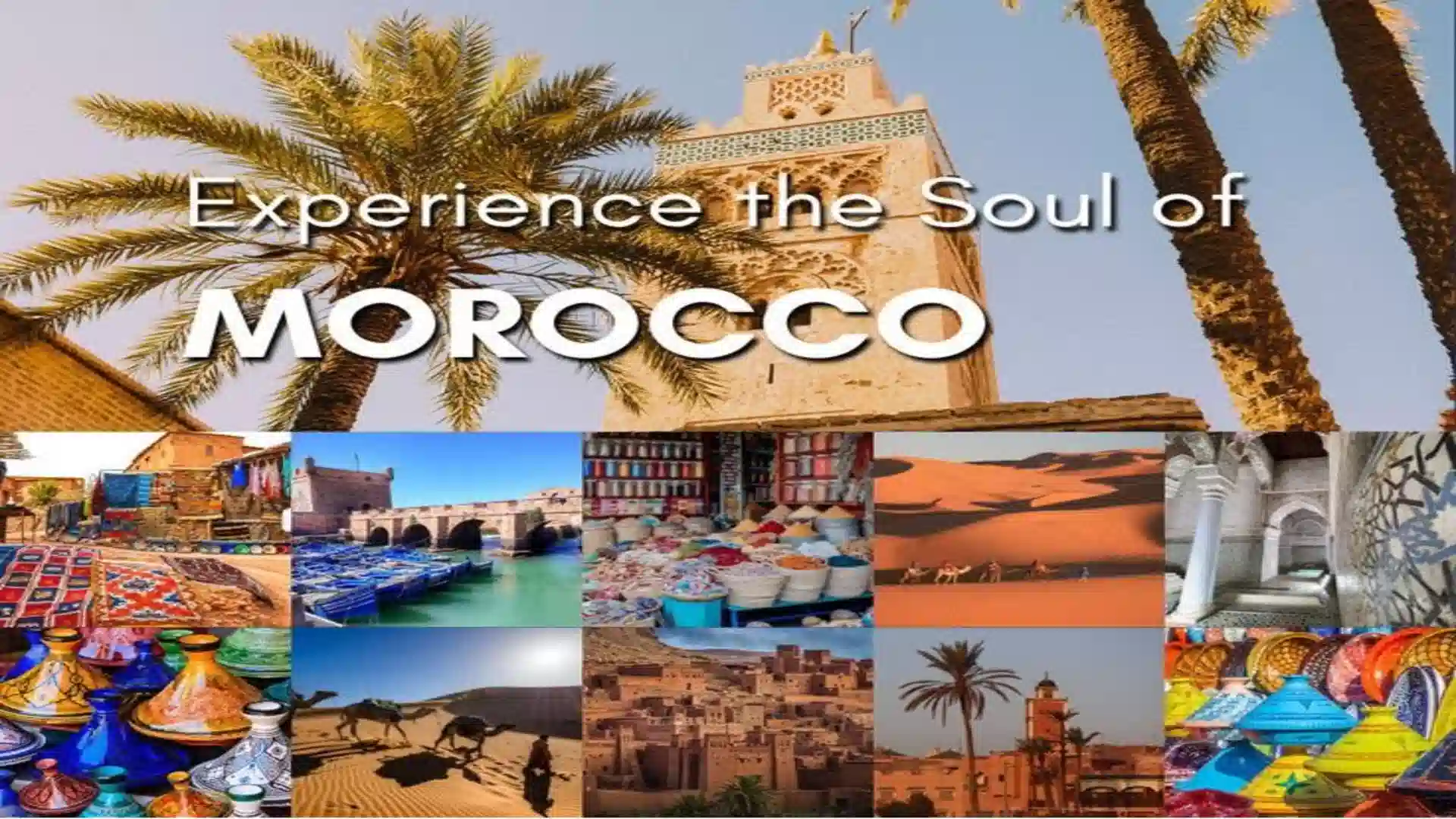
Morocco packs a remarkable amount of variety into one country: snow-capped mountains, Sahara dunes, Atlantic surf towns, and medieval medinas, often within a few hours’ drive of each other. What to do in Morocco, and in what order, mostly comes down to fitting a short list of unforgettable regions into however many days you actually have.
This is a long, deliberately thorough guide. It answers every version of the question travelers ask when they start planning a first trip: what to see and do in Morocco beyond the obvious souks and riads, where to go in Morocco if you only have a week, which must-see places in Morocco are genuinely worth the detour and which are overrated, where in Morocco to visit depending on whether you want mountains, desert, coast, or imperial cities, and exactly what to see in Morocco if your time is limited to three, six, or fourteen days.
Treat this as a reference you come back to while building your own route, not a single fixed itinerary. Morocco rewards travelers who pick two or three regions properly rather than rushing through all of them, and the sections below move from the big-picture regional overview down to specific must-see places, sample itineraries by trip length, and the practical logistics of getting between them.
Quick Answer: What to Do in Morocco at a Glance
- Short trip (3–4 days): Marrakech medina + a day trip into the Atlas foothills
- Classic trip (6 days): Marrakech → High Atlas → Ait Ben Haddou → Dades/Todra Gorges → Merzouga desert camp → back to Marrakech
- Full loop (10–14 days): Add Fes, Meknes, Chefchaouen, and the Atlantic coast at Essaouira
- Best single experience: An overnight camel trek and desert camp at Merzouga
- Best city for first-timers: Marrakech best flight access, easiest gateway to the mountains and desert
- Best time to go: March–May and September–November for mild temperatures everywhere
Where to Go in Morocco: The Six Regions Every Itinerary Draws From
Almost every well-planned Morocco trip pulls from six distinct regions, each with its own landscape, pace, and reason to visit. Understanding them first makes it far easier to decide where in Morocco to visit based on your interests, your budget, and how many days you have.
| Region | Key Cities / Sites | Best For | Minimum Time |
|---|---|---|---|
| Imperial Cities | Marrakech, Fes, Meknes, Rabat | Medinas, palaces, souks, history | 2 days per city |
| Atlas Mountains | Imlil, Ourika Valley, Ait Ben Haddou | Trekking, kasbahs, mountain villages | 1–5 days |
| Sahara Desert | Merzouga, Zagora, and Erg Chebbi dunes | Camel treks, desert camps, stargazing | 1 overnight minimum |
| Atlantic Coast | Essaouira, Agadir, Taghazout, Casablanca | Surf towns, seafood, relaxed pace | 2–3 days |
| The North/Rif | Chefchaouen, Tangier, Tetouan | Blue-city photography, Spanish influence, ferry access | 2 days |
| Souss Valley / Anti-Atlas | Agadir, Taroudant, Tafraoute | Argan country, quieter alternative routes, coastal-desert combos | 2 days |
Most first-time visitors combine three of these six regions: an imperial city (usually Marrakech), the Atlas Mountains, and the Sahara. Returning visitors, or those with more than ten days, start layering in the north and the coast.
It’s worth noting that these regions aren’t evenly spaced. Marrakech sits at the crossroads of nearly everything a two-hour drive from the Atlas foothills, three hours from the Atlantic coast at Essaouira, and the starting point for the overland route to the Sahara. Fes and the north, by contrast, form a more self-contained loop that works best as its own leg of the trip rather than something you squeeze in on the way between Marrakech and the desert. Understanding this geography before you book flights or internal transport saves a surprising amount of backtracking later.
The Imperial Cities: What to See and Do in Marrakech, Fes, Meknes & Rabat
Morocco’s four historic capitals form the backbone of most itineraries. Each has a distinct personality, and knowing what sets them apart helps decide which ones deserve your limited days.
Marrakech: The Gateway City
Marrakech is where most Morocco trips begin, thanks to its international airport and its position as the launch point for both the Atlas Mountains and the Sahara. The Jemaa el-Fnaa square transforms from a quiet plaza in the morning into a chaotic, thrilling open-air theater by evening, packed with food stalls, henna artists, and musicians. Around it, the medina holds the Bahia Palace, the Saadian Tombs, the Ben Youssef Madrasa, and the Jardin Majorelle. Outside the walls, the Ville Nouvelle district of Gueliz offers modern restaurants, art galleries, and rooftop bars for travelers who want a break from the medina’s intensity.
Beyond the headline sights, Marrakech rewards slower exploration too. The Menara Gardens offer a quiet green space with the Atlas Mountains as a backdrop, and the Photography Museum (Maison de la Photographie) holds a striking archive of early 20th-century Moroccan portraits. Rooftop terraces across the medina are one of the best ways to watch the sunset over the Koutoubia Mosque minaret, the city’s most recognizable landmark.
Fes: The Cultural Heart
Fes el Bali, the old medina, is believed to be the largest car-free urban area in the world, with over 9,000 narrow lanes still used for daily commerce exactly as they have been for centuries. The Al-Attarine and Bou Inania Madrasas showcase some of the finest zellige tilework in the country, and the Chouara Tanneries remain in active use, dyeing leather in stone vats using traditional methods. Fes rewards travelers who prefer culture and craftsmanship over the more tourist-oriented pace of Marrakech.
Because the medina’s layout is genuinely disorienting even for experienced travelers, most visitors hire a local guide for at least the first half-day it’s the difference between wandering in circles and actually finding the tanneries, the historic Al-Qarawiyyin University (one of the oldest continuously operating universities in the world), and the best artisan workshops for brass, ceramics, and textiles.
Meknes & Volubilis: The Quiet Imperial City
Meknes is often visited as a day trip from Fes, and it’s frequently paired with the nearby Roman ruins at Volubilis, one of the best-preserved Roman sites in North Africa, with intact mosaic floors still visible in situ. Meknes itself has fewer crowds than Fes or Marrakech, making it a good stop for travelers who want imperial-city architecture without the intensity of a major souk. The Bab Mansour gate, one of the most elaborate gateways in North Africa, and the vast royal stables and granaries of Heri es-Souani are the city’s standout sights.
Rabat: The Modern Capital
As Morocco’s political capital, Rabat is calmer and more orderly than the other imperial cities. The Kasbah of the Udayas, the Hassan Tower, and the Mausoleum of Mohammed V are the main draws, and the city’s coastal setting on the Atlantic gives it a different feel from the landlocked medinas further south. Rabat also makes a practical, less overwhelming introduction to Morocco for travelers arriving nervous about jumping straight into Marrakech or Fes’s larger medinas.
Must-See Places in Morocco: The Non-Negotiables
Beyond the four imperial cities, a handful of specific sites come up again and again on any serious list of must-see places in Morocco. These are the locations that define what to see and do in Morocco for a first-time visitor, and skipping them is the most common regret travelers report after their trip.
This list leans toward variety rather than a single region, because the places that make Morocco distinctive tend to be spread across mountains, deserts, coasts, and cities in roughly equal measure. If you can only choose four or five from the list below, aim for a mix rather than clustering everything in one part of the country.
1. The Sahara Dunes at Merzouga
A camel trek into Erg Chebbi at sunset, followed by a night in a desert camp under a sky with almost no light pollution, is the single most requested Morocco experience among first-time visitors. Some camps now offer star-bed setups where you sleep directly under the open sky.
2. Chefchaouen, the Blue City
Tucked into the Rif Mountains, Chefchaouen’s blue-washed streets are one of the most photographed places in the country and a genuinely relaxed contrast to the bigger imperial cities. Wandering with no fixed plan is the point here the town is small enough to see fully in a day and a half.
3. Ait Ben Haddou
This UNESCO-listed fortified kasbah on the old caravan route between the Sahara and Marrakech has featured in numerous film and television productions and sits directly on the road most travelers take toward the desert, making it an easy stop rather than a detour.
4. The Dades and Todra Gorges
These dramatic canyon roads between Ouarzazate and Merzouga cut through rose-colored rock walls that narrow to just a few meters wide in places. The Todra Gorge in particular is popular with rock climbers as well as road-trippers.
5. Essaouira
A laid-back Atlantic port town with a walled medina, fresh seafood grills on the harbor, and some of Morocco’s best wind and kitesurfing conditions. It’s an easy day trip or overnight stay from Marrakech.
6. The Imlil Valley and Jebel Toubkal
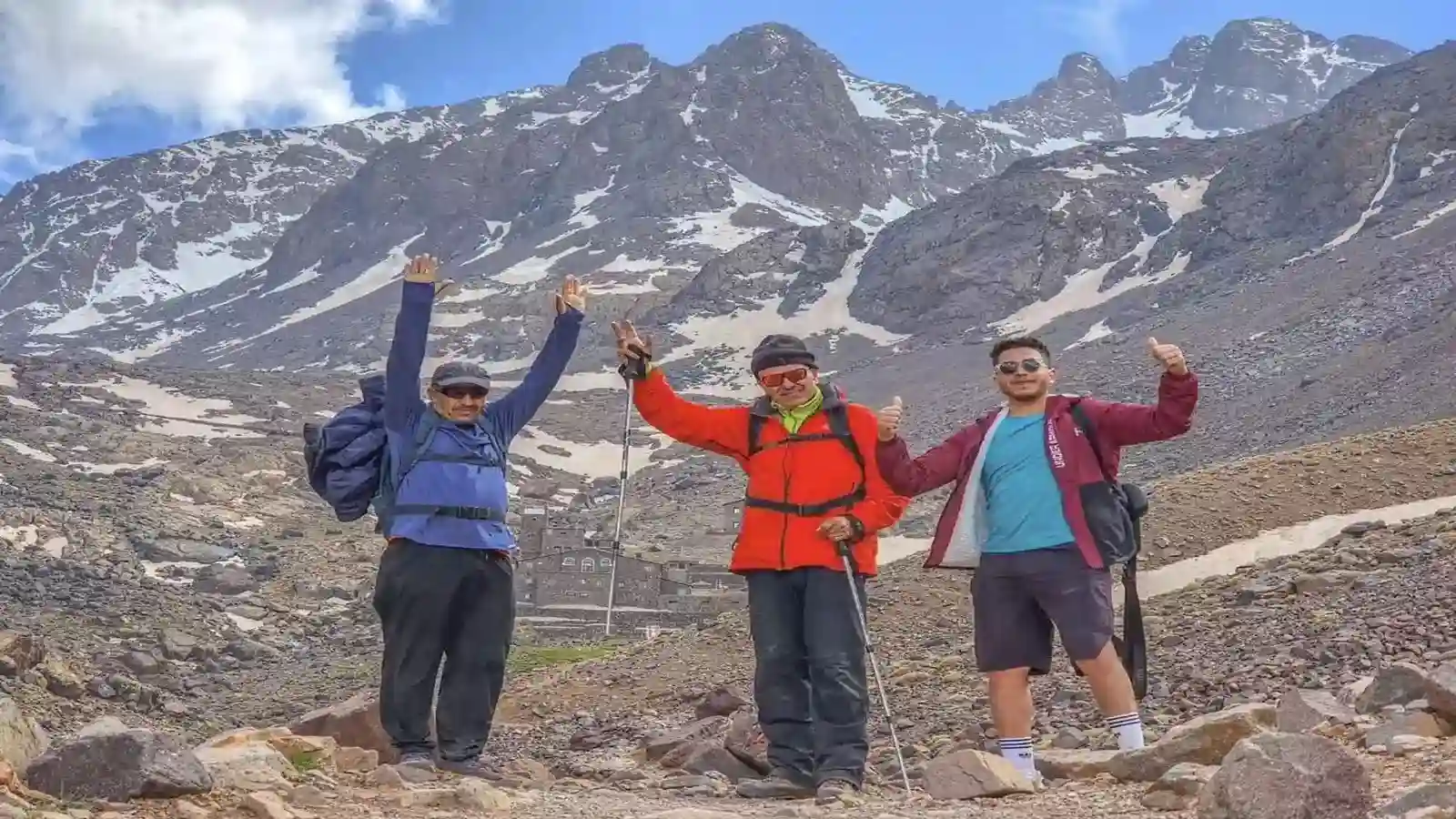
Just 90 minutes from Marrakech, Imlil is the trailhead village for treks up Jebel Toubkal, North Africa’s highest peak at 4,167 meters. Even a single-day hike into the surrounding Berber villages offers a strong sense of mountain life without committing to a multi-day summit trek.
7. Volubilis
Morocco’s best-preserved Roman ruins, near Meknes, include triumphal arches and mosaic floors that have survived largely intact since antiquity an easy half-day addition to a Fes or Meknes stop.
8. The Ourika Valley
A popular half-day or full-day trip from Marrakech, the Ourika Valley combines waterfalls, Berber villages, and mountain scenery for travelers who want a taste of the Atlas without a long drive.
9. Ouarzazate and the Kasbah Route
Nicknamed the “Door to the Desert,” Ouarzazate sits just past the Tizi n’Tichka pass and is home to major film studios where scenes for numerous international productions have been shot. The nearby Taourirt Kasbah and the wider kasbah route toward Skoura reveal a string of fortified earthen structures unique to this pre-Saharan region.
10. Zagora and the Draa Valley
South of Ouarzazate, the Draa Valley’s palm groves lead to Zagora, the traditional gateway to a quieter, less-visited stretch of the Sahara around Erg Chigaga. This route suits travelers who’ve already done Merzouga on a previous trip or who specifically want to avoid the more crowded dune fields.
11. Tafraoute and the Anti-Atlas
Known for its pink granite boulders and almond blossoms in February, Tafraoute is one of the quieter must-see places in Morocco for travelers extending their trip through the Anti-Atlas and Souss Valley toward Agadir.
What to Do in the Atlas Mountains
For travelers deciding where in Morocco to visit beyond the cities, the Atlas Mountains offer the widest range of activity levels from an easy afternoon drive to a serious multi-day trek.
- Day trip from Marrakech: The Ourika Valley or a short drive over the Tizi n’Tichka pass gives a taste of the mountains without an overnight stay.
- 1–2 day trek: Imlil to the Toubkal refuge and back suits travelers who want a proper hike without a full summit attempt.
- 3–5 day trek: A full Toubkal summit trek, or a valley-to-valley route through Berber villages, mule paths, and mountain refuges.
- Road trip stop: Ait Ben Haddou and Telouet along the Tizi n’Tichka route toward Ouarzazate and the desert.
For a detailed breakdown of the mountain passes, elevation changes, and a full day-by-day route through the Atlas toward the Sahara, see our companion guide to the Atlas Morocco map and Merzouga desert itinerary.
Beyond the well-known trailheads, the Atlas Mountains also offer mule-supported treks for travelers who want the scenery without carrying a full pack, homestays in Berber villages that provide a genuine window into rural mountain life, and shorter half-day walks around Imlil that don’t require any prior hiking experience. Weather changes quickly at altitude, so even a short excursion benefits from layered clothing and sturdy footwear, regardless of the season down in Marrakech.
What to Do in the Sahara Desert
No conversation about what to see and do in Morocco is complete without the Sahara. Two main desert gateways serve most travelers, and each has a different feel.
| Desert Gateway | Dune Field | Character |
|---|---|---|
| Merzouga | Erg Chebbi | Tallest dunes in Morocco (up to 150m), most popular and most developed for tourism |
| Zagora / M’Hamid | Erg Chigaga | Quieter, more remote, longer drive but fewer crowds |
Standard desert activities include a camel trek at sunset, an overnight stay in a fixed or luxury desert camp, sandboarding on the dunes, 4×4 excursions to nomad settlements, and stargazing sessions the Sahara’s lack of light pollution makes for some of the clearest night skies in the country.
Most desert camps include a communal dinner around a fire, often with drumming and traditional Gnawa or Berber music performed by the camp staff. Sunrise is generally considered the best time to climb the dunes near camp, both for the cooler temperatures and the changing light on the sand. Travelers with more time sometimes add a 4×4 excursion from Merzouga to visit a semi-nomadic Berber family or the nearby Khamlia village, known for its Gnawa musical tradition.
The Atlantic Coast and the North: Where to Go for a Change of Pace
Essaouira and the Central Coast
Essaouira’s walled medina, fishing port, and consistent Atlantic winds make it Morocco’s most popular coastal escape, easily reached in under three hours from Marrakech. Further south, Taghazout has become a dedicated surf town with a younger, more laid-back crowd.
Casablanca
Morocco’s largest city and main international gateway is less historic than the imperial cities but home to the Hassan II Mosque, one of the largest mosques in the world, with a minaret visible from much of the city.
Chefchaouen and Tangier
The north pairs the blue streets of Chefchaouen with Tangier’s position as a historic port city at the meeting point of the Mediterranean and Atlantic and the closest Moroccan city to Europe via ferry from Spain. Tangier’s Kasbah Museum and the winding lanes of its old medina reflect a distinctly cosmopolitan history shaped by decades as an international zone, giving it a noticeably different character from the more inland imperial cities.
Agadir and the Souss Coast
Agadir offers a more modern, resort-oriented stretch of coastline than Essaouira, with long sandy beaches and a straightforward international airport, making it a practical base for travelers combining beach time with a shorter Anti-Atlas or Souss Valley excursion rather than the full Atlas-to-Sahara loop.
What to See and Do in Morocco, Matched to Your Interests
Rather than a single fixed list, what to see and do in Morocco really depends on what kind of trip you want. Two travelers landing in Marrakech on the same day could end up with almost entirely different itineraries, one heading straight for the mountains, the other for the coast, and both would come away with an equally strong sense of the country. Here’s how the main travel styles break down by region.
| If You Want… | Go To | Do This |
|---|---|---|
| Desert adventure | Merzouga / Zagora | Camel trek, overnight desert camp, 4×4 dune excursion |
| Mountain trekking | Imlil / Toubkal region | Day hikes or multi-day treks to Jebel Toubkal |
| Shopping & markets | Marrakech or Fes, Medina | Bargain for leather, rugs, spices, and lanterns in the souks. |
| Beach & surf | Essaouira / Taghazout | Surfing, windsurfing, fresh grilled seafood on the port |
| Photography | Chefchaouen / Ait Ben Haddou | Blue-city streets at sunrise, kasbah at golden hour |
| History & architecture | Fes / Meknes / Rabat | Madrasas, royal palaces, Roman ruins at Volubilis |
| Food & culinary | Marrakech / Essaouira / Fes | Cooking classes, street food tours, tagine, and seafood grills |
| Relaxation & wellness | Marrakech riads / Taghazout | Hammam and spa days, riad courtyards, yoga retreats |
Food and Culture: What to Do in Morocco Beyond the Sightseeing
Some of the best things to do in Morocco aren’t sights at all. A traditional hammam visit, a home-hosted cooking class, or simply sitting in a riad courtyard with mint tea are as central to the experience as any monument.
- Take a tagine or couscous cooking class: Widely available in Marrakech and Fes, often including a market visit to buy ingredients first.
- Visit a traditional hammam: A public or riad-based steam bath and scrub is one of the most authentic local rituals available to visitors.
- Drink mint tea properly: Served with ceremony throughout the day, mint tea is as much a social gesture as a beverage.
- Explore a local market (souk) beyond souvenirs: Spice markets, olive stalls, and produce sections reveal daily Moroccan life away from tourist-focused shops.
- Stay in a riad instead of a hotel: A traditional courtyard house gives a far more intimate sense of Moroccan architecture than a modern hotel chain.
- Try a working artisan workshop: Fes and Marrakech both have cooperatives where you can watch (and sometimes try) traditional weaving, pottery, or metalwork rather than just buying the finished product.
- Sample regional specialties, not just the classics: Beyond tagine and couscous, look for pastilla (a sweet-savory pigeon or chicken pie) in Fes, grilled sardines in Essaouira, and msemen flatbread as a street breakfast almost anywhere.
Food in particular tends to vary meaningfully by region; coastal towns lean heavily on fresh grilled fish and seafood tagines, while inland cities like Fes and Meknes are known for slow-cooked meat tagines with preserved lemon, and desert-adjacent towns often serve simpler, heartier dishes suited to travelers passing through on long driving days.
What to See in Morocco Based on How Many Days You Have
3–4 Days: Marrakech & the Atlas Foothills
Base yourself in Marrakech, spend two days in the medina and Jemaa el-Fnaa, then take a day trip into the Ourika Valley or Imlil for a taste of the High Atlas without a long drive. Add Essaouira as a day trip if you have a spare afternoon.
6 Days: Marrakech, the Atlas Mountains & the Sahara
This is the classic route: cross the High Atlas via the Tizi n’Tichka pass, stop at Ait Ben Haddou and the Dades and Todra Gorges, and spend a night camping in the Merzouga dunes before returning to Marrakech. A typical breakdown looks like this:
| Day | Route |
|---|---|
| Day 1 | Marrakech → Tizi n’Tichka Pass → Ait Ben Haddou → Ouarzazate |
| Day 2 | Ouarzazate → Dades Valley → Dades Gorges |
| Day 3 | Dades Gorges → Todra Gorges → Erfoud → Merzouga |
| Day 4 | Camel trek and overnight in the Merzouga desert camp |
| Day 5 | Merzouga → Skoura (palm groves and kasbah country) |
| Day 6 | Skoura → Tizi n’Tichka Pass → Marrakech |
For a deeper breakdown of the mountain passes, elevation, and driving times along this exact route, see our Atlas Mountains and Merzouga Desert 6-day itinerary guide.
10 Days: Marrakech, Desert & the North
Extend the 6-day desert loop with a stop in Fes, then head north to Chefchaouen before flying out of Tangier or Casablanca, or looping back to Marrakech via the coast. This version typically adds two nights in Fes for the medina and a day trip to Meknes and Volubilis, plus a night or two in Chefchaouen. It suits travelers who want the full desert experience but also crave the different pace of the northern imperial cities and the Rif Mountains.
14 Days: The Full Loop
With two weeks, combine all four imperial cities (Marrakech, Fes, Meknes, and Rabat), the Sahara, the north (Chefchaouen and Tangier), and finish on the Atlantic coast at Essaouira a route that touches every region covered in this guide. A common structure spends three to four days around Marrakech and the Atlas foothills, three to four days on the desert loop through Ouarzazate and Merzouga, three to four days across Fes, Meknes, and the north, and finishes with two to three days of downtime on the coast before flying home.
When to Go, Based on What to Do In Morocco
| Season | Best For | Note |
|---|---|---|
| March–May | Everything: cities, mountains, desert | Mild temperatures across all regions; the most balanced season |
| June–August | Coast and mountains | Desert daytime heat is intense; coastal towns and high-altitude treks are more comfortable. |
| September–November | Everything, especially the desert | Peak season for Merzouga desert camps as temperatures cool |
| December–February | Cities and desert days | Cold nights in the desert and snow possible on Atlas passes; pack layers. |
Practical Tips for Planning Where in Morocco to Visit
With the regions, must-see places, and sample itineraries covered, a handful of practical details tend to make the biggest difference in how smoothly the trip actually runs once you’re on the ground.
- Don’t try to see everything: Morocco’s distances are deceptive; mountain roads are slow, so pick two or three regions rather than the whole country in one trip.
- Pair cities with day trips: Marrakech pairs naturally with the Atlas foothills; Fes pairs with Meknes and the Roman ruins at Volubilis.
- Book desert camps in advance: Merzouga fills up quickly in peak season (October–April), especially around the full moon.
- Use a private driver for the desert loop: The Marrakech–Merzouga route crosses mountain passes that are far more comfortable with an experienced local driver than a rental car for first-timers.
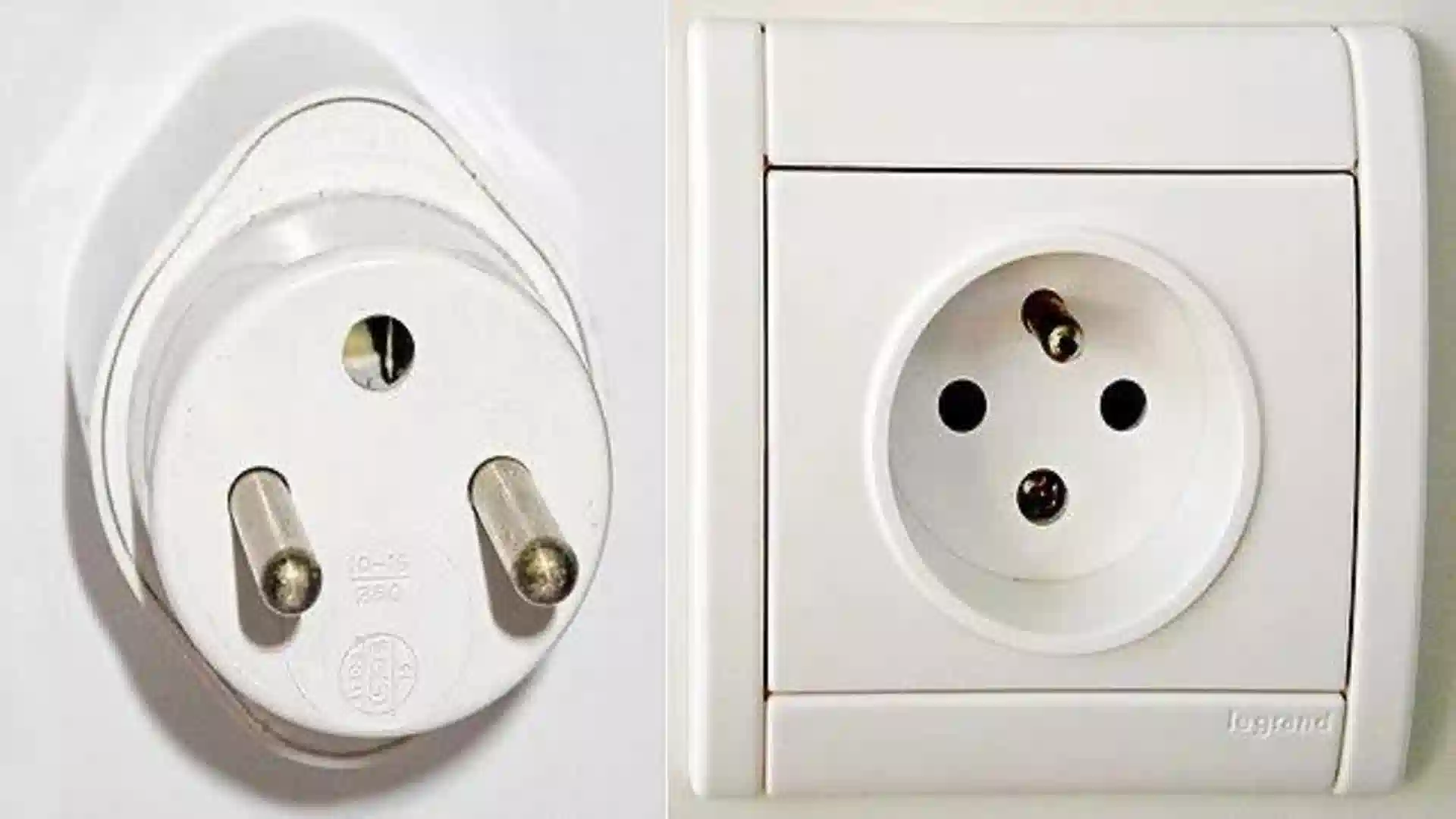
- Bring the right adapter: Morocco runs on Type C/E plugs at 220V. See our Morocco plug type and outlet guide before you pack.
- Dress modestly outside beach and pool areas: Covering shoulders and knees is appreciated in medinas, mosques (exterior viewing only for non-Muslims), and rural villages.
Getting Around: How to Actually Reach These Places
Knowing what to see and do in Morocco is only half the planning; getting between regions efficiently is what makes or breaks a short trip. Morocco offers several transport options, each suited to a different kind of itinerary.
| Transport Option | Best For | Notes |
|---|---|---|
| Train (ONCF) | Casablanca–Rabat–Fes–Tangier corridor | Fast, comfortable, and the most reliable way to move between the northern imperial cities |
| Private driver | Atlas Mountains, Sahara Desert loop | The standard way to cross mountain passes safely and stop at kasbahs and gorges along the way |
| Domestic flights | Long distances (Marrakech–Tangier, Casablanca–Dakhla) | Worth it when time is limited and two regions are far apart |
| CTM / Supratours buses | Budget travel between most towns | Reliable intercity network reaching towns the train doesn’t |
| Self-drive rental car | Confident drivers wanting full flexibility | Mountain roads are winding, and signage can be inconsistent, better suited to experienced travelers |
For the Marrakech–Atlas–Sahara route specifically, a private driver or organized tour is by far the most common choice, since public transport doesn’t easily cover the kasbah and gorge stops along the way.
What to Do in Morocco at Every Budget
Morocco works well for backpackers and luxury travelers alike, largely because the same must-see places can be experienced at very different price points depending on how you stay and travel.
| Budget Level | Accommodation Style | Typical Experience |
|---|---|---|
| Budget | Hostels, basic riads, shared desert camps | CTM buses between cities, group desert tours, street food, and local cafés |
| Mid-range | Boutique riads, 3–4 star hotels | Private or small-group day trips, a private driver for the desert loop, sit-down restaurants |
| Luxury | 5-star riads, luxury desert camps with private bathrooms | Private guides throughout, tailor-made routes, and spa and hammam experiences included |
The single biggest cost lever for most itineraries is the Sahara leg: a shared desert camp with a group tour costs a fraction of a private luxury camp with individual tents and en-suite bathrooms, even though both deliver the same core experience of a camel trek and a night under the stars. Food is generally affordable across all budget levels; even mid-range and upscale travelers can eat very well at local cafés and family-run restaurants for a fraction of what a similar meal would cost in a European capital.
Etiquette Tips While Sightseeing
- Ask before photographing people: Especially in souks and rural villages, a quick gesture or word of permission goes a long way.
- Expect to bargain in souks: Haggling is normal and expected for handicrafts, textiles, and souvenirs; fixed-price shops will say so clearly.
- Greet before you transact: A simple greeting before asking a price or directions is considered polite and often improves the interaction.
- Remove shoes when instructed: Some riads, mosque courtyards, and traditional homes expect shoes off at the entrance.
- Fridays are quieter: Many shops and some businesses close or reduce hours around midday Friday prayers, particularly in smaller towns.
Common Mistakes When Deciding Where to Go in Morocco
A few recurring planning mistakes show up again and again in traveler feedback, and most are easy to avoid once you know about them in advance.
- Underestimating driving times: The Marrakech–Merzouga route looks short on a map but takes two to three full driving days because of the mountain passes don’t try to compress it into one long day.
- Skipping the Atlas Mountains entirely to save time: Since the mountains sit directly on the route to the Sahara, cutting them out rarely saves meaningful time and means missing some of the most scenic parts of the trip.
- Booking too few nights in Fes: A rushed half-day in Fes barely scratches the surface of the medina; two full days is a more realistic minimum.
- Not booking desert camps early enough: Popular Merzouga camps sell out well in advance during peak season, especially around holidays and full-moon dates.
- Trying to combine the north and the south in a short trip: Chefchaouen and Tangier sit far from the Atlas–Sahara route, so squeezing both into a 6–7 day trip usually means too much time in transit and not enough time actually exploring.
Frequently Asked Questions About What to Do in Morocco
What is the number one thing to do in Morocco?
For most first-time visitors, an overnight camel trek and desert camp stay in the Merzouga dunes is the single most memorable experience, followed closely by exploring the Marrakech medina and Jemaa el-Fnaa square.
Where should a first-time visitor go in Morocco?
Marrakech is the most common starting point thanks to its international airport and easy access to the Atlas Mountains and Sahara. Fes is a strong alternative for travelers who want a deeper imperial-city experience first.
How many days do you need to see the must-see places in Morocco?
A minimum of 6 days covers Marrakech, the Atlas Mountains, and the Sahara. 10–14 days allows time to add the imperial cities of Fes and Meknes, the northern blue city of Chefchaouen, and the Atlantic coast.
Is it better to visit the desert or the mountains in Morocco?
They’re not really a trade-off most itineraries pass through the Atlas Mountains on the way to the Sahara, so a well-planned route lets you experience both in a single multi-day trip.
What’s a good off-the-beaten-path place to visit in Morocco?
Tafraoute in the Anti-Atlas, the Todra Gorges, and the smaller coastal town of Sidi Ifni all offer a quieter alternative to the more heavily visited imperial cities and main desert routes.
Can you see Morocco’s imperial cities and the desert in one trip?
Yes, though it requires at least 10 days to do comfortably. A common route links Marrakech, the Sahara, Fes, and Meknes without excessive backtracking.
Is Marrakech or Fes better for a first visit?
Marrakech offers easier flight access and a shorter drive to the mountains and desert, making it the more practical base for a first trip. Fes offers a deeper, less tourist-oriented medina experience for travelers prioritizing culture and craftsmanship over convenience.
What should I see in Morocco if I only have one day?
With a single day, focus entirely on one city’s medina. Marrakech’s Jemaa el-Fnaa, Bahia Palace, and souks make for a full, satisfying day without needing to leave the city.
Do I need a guide to see the must-see places in Morocco?
A guide isn’t required everywhere, but it’s genuinely useful in the Fes medina given its maze-like layout, and a private driver is the standard way to cover the Atlas Mountains and Sahara route safely and efficiently.
Is it safe to travel around Morocco to see these places?
Morocco is generally considered safe for travelers, including solo and family travel, with the usual precautions around petty theft in busy medinas and standard road safety awareness on mountain routes.
How do I get from Marrakech to the desert without a car?
Most travelers without their own vehicle join a small-group or private tour that includes transport, stops at Ait Ben Haddou and the gorges, and the desert camp itself, since public buses don’t easily cover this scenic route.
What’s the difference between visiting Merzouga and Zagora for the desert?
Merzouga’s Erg Chebbi dunes are taller, more famous, and more developed for tourism, while Zagora’s Erg Chigaga dunes are more remote and require a longer drive but offer a quieter desert experience with fewer other visitors.
Should I visit Morocco’s imperial cities or focus on nature and adventure?
Most well-rounded itineraries include both rather than choosing one, the imperial cities anchor the trip with culture and history, while the Atlas Mountains and Sahara provide the landscape-driven experiences most travelers remember longest.
What’s the best way to combine Marrakech and Fes in one trip?
Rather than flying directly between them, many travelers link Marrakech and Fes via the desert route through Ouarzazate, Merzouga, and the Middle Atlas, turning the connection itself into several of the trip’s best days rather than a simple transfer.
Related Guides & Itineraries To What To Do In Morocco
Planning your itinerary? Explore these detailed regional guides and practical planning resources to help build your trip to Morocco:
Atlas Mountains to Merzouga Desert Itinerary & Map
A complete turn-by-turn breakdown of driving through the Tizi n’Tichka pass, Ait Ben Haddou, and Dades Gorge toward the Erg Chebbi dunes.
What to Do in Marrakech: The Ultimate 3-Day Medina Guide
How to spend 3 days in Marrakech without feeling overwhelmed—souks, secret rooftops, historic palaces, and local dining spots.
When is the Best Time to Visit Morocco? Month-by-Month Breakdown
Weather, crowd levels, festival dates, and desert heat considerations to help you choose the ideal month for your travel style.
Turn This Guide Into Your Own Morocco Itinerary
Now that you know what to do in Morocco, where to go, and which must-see places are worth your time, let our local guides build the exact route for you from the Marrakech medina to the Sahara dunes.
Browse our guided tours from Marrakech, Fes, and Casablanca, or ask us to tailor a private route around your must-see places, your budget, and however many days you have to explore.