Semester at Sea Sahara Desert Overnight: The Real Guide 2026/2027
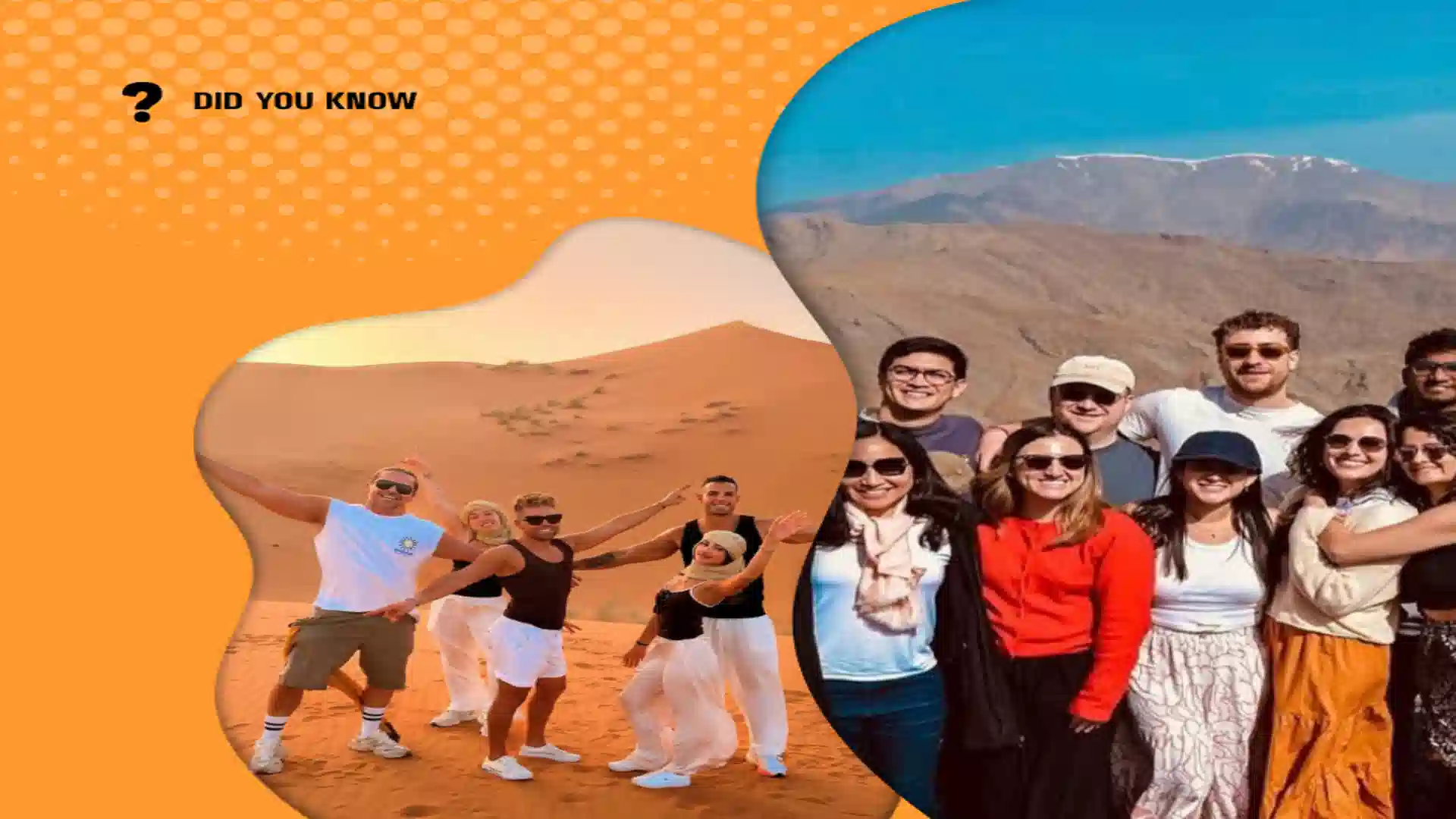
The Semester at Sea Sahara desert overnight tour is the single most talked-about experience on the Morocco port stop — a camel trek into the Erg Chebbi dunes near Merzouga, a night in a Berber-style desert camp with dinner and music around a fire, and a sunrise ride back out the next morning. Semester at Sea’s own field program materials describe riding camels to a desert campsite and sleeping under the stars, and it’s consistently the moment alumni bring up first when they talk about the whole voyage. It’s also colder, sandier, and more logistically involved than the Instagram photos suggest — this guide covers what actually happens, hour by hour, and how to book it, whether you go through the ship or a private operator like Over Morocco Tours.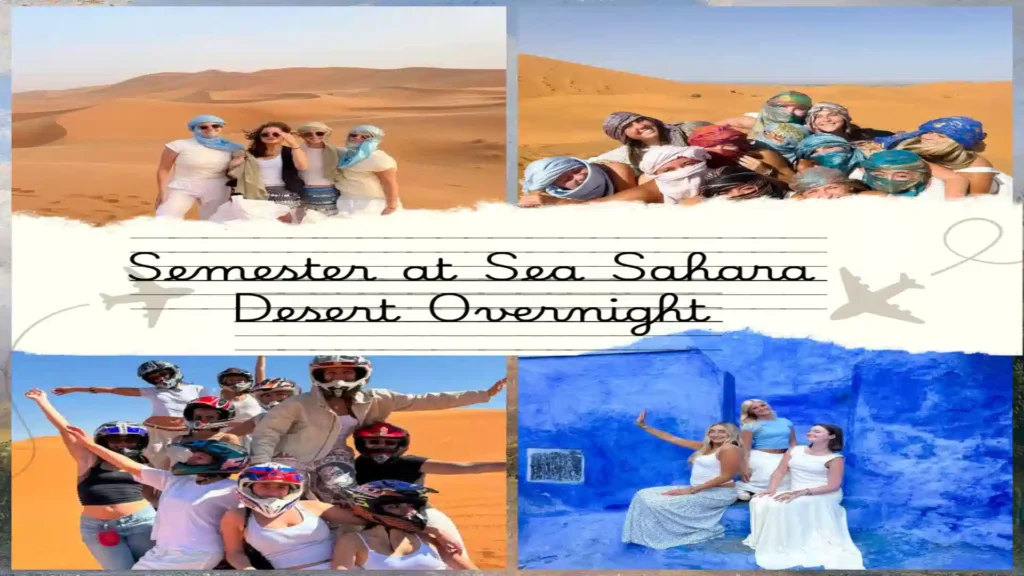
I wrote the itinerary-planning guide for this same port stop a little while back, mapping the full Tangier-to-Marrakech loop. This piece zooms into the one night inside that loop that everyone actually asks about because “sleep under the stars in the Sahara” sounds simple until you’re the one packing for it, and most of what’s written about it online is either a marketing paragraph or a two-line TikTok caption. Neither tells you what you need to know.
Table of Contents
What the Semester at Sea Sahara Desert Overnight Tour Actually Is
Strip away the marketing language and the Semester at Sea Sahara Desert overnight tour breaks into three concrete parts: a camel trek in, a night at a fixed desert camp, and a camel trek (or 4×4) back out.
Semester at Sea’s Morocco field program has long included multi-day trips to the Sahara Desert built around exactly this structure: camel transport to a campsite, an overnight stay, and the sky as the main event. It’s not a wilderness survival trip. The camps are established, semi-permanent operations with tents, mattresses, dinner service, and (at the nicer ones) actual plumbing. What makes it feel wild is everything around the camp: no light pollution, no cell signal most of the time, and dune formations that genuinely don’t look real until you’re standing on top of one.
A Typical Semester at Sea Desert Camp Morocco Morocco Day:
A typical version of the day starts with an early-morning camel trek to watch sunrise over the golden dunes, followed by breakfast back at camp, then optional quad biking, dune buggy tours, or a longer camel trek for those who want more time in the landscape. The afternoon is usually left open — relaxing at camp, spending time with the Berber staff who run it, or just sitting with the desert ecosystem — before a second evening built around dinner and traditional music around the campfire, for itineraries that include two desert nights instead of one.
For a single-night version, which is what most Semester at Sea time constraints actually allow, compress that into: arrive by camel at golden hour, dinner and music that night, sleep, sunrise camel ride out the next morning.
Ready to book your own semester at sea Sahara desert overnight tour? Over Morocco Tours builds this exact trip around your ship’s Tangier port schedule camel trek, camp, sunrise ride, and transport, all handled. Check availability and get a quote →
Two Deserts, Not One: Merzouga vs. Zagora Desert Camp Morocco
This is the detail almost nobody explains clearly, and it matters because it changes your entire drive time.
Why Merzouga Is the Standard Erg Chebbi Camel Trek for Students
For students working from the Tangier port confirmed for both 2026 voyages, Merzouga is the far more common choice, since the standard route runs south from Fes through the Middle Atlas Mountains, cedar forests, and the Ziz Valley before reaching Merzouga. If your itinerary runs through Marrakech first instead, Zagora becomes the practical option purely because of drive time — but you’ll trade some of the scale and drama of Erg Chebbi’s dunes for a shorter bus ride.
Nearly everything you’ll see marketed simply as “the Sahara Desert overnight” for Semester at Sea groups is a Merzouga trip. If an operator doesn’t specify which desert region you’re headed to, ask — it’s a meaningfully different day.
How Students Describe Their Semester at Sea Morocco Desert Experience:
This is the one field program moment that shows up in nearly every Merzouga desert overnight SAS alumni review, unprompted, regardless of what country or class the review is actually about.
One alumna, describing her semester across ten-plus countries and three continents, named spending a night under the stars in the Western Sahara Desert in Morocco alongside visiting the Taj Mahal and seeing penguins in South Africa as the standout travel memories of the entire voyage. Another student, reflecting on the same program more broadly, listed riding camels in the Sahara Desert directly next to the Taj Mahal as one of the unforgettable moments that made the semester what it was.
Beyond the ship’s own alumni, this is consistent with how independent student-tour operators describe it too — one operator’s review from a group tour mentioned the Sahara Desert leg specifically as the most unforgettable part of the trip, highlighting the overnight camp stay and stargazing under a vast, clear sky as the moment that stuck. Even that same review is honest about the realities of ground logistics a vehicle breakdown before pickup was handled by quickly arranging a replacement transfer, with guides stepping in to keep the trip moving without further disruption a useful reminder that private desert logistics, while usually smooth, aren’t always frictionless.
The throughline across every account: it’s not the medina, the mosque, or the mountain pass that people remember years later. It’s the one night with no signal, no schedule, and a sky that looks nothing like home.
Hour by Hour: What a Night on Your Merzouga Desert Overnight SAS Trip Looks Like
Here’s the realistic single-night version, based on how these trips actually run for SAS groups going through Merzouga.
- Late afternoon (arrival window): Your vehicle drops the group at a staging point outside Merzouga — not directly at camp, since camps sit inside the dune field itself, inaccessible by road. Bags typically go by 4×4 or support vehicle; you go by camel.
- Golden hour: The camel trek in, roughly 45 minutes to 1.5 hours depending on how deep into the dunes your specific camp sits. This is timed deliberately for sunset — the dune color shift from gold to orange to deep red as the sun drops is the reason the timing exists at all.
- Arrival at camp: Berber staff greet you with mint tea. Tents are assigned — usually shared, 2–4 people per tent, with mattresses and blankets rather than sleeping bags on sand.
- Dinner: A meal followed by mint tea, dinner, and local music around the campfire is the standard camp evening for groups arriving via camel trek into Erg Chebbi. Expect tagine, bread,
 and a drum circle that students end up joining whether they planned to or not.
 - Night sky: This is the part with no fixed schedule and the one nobody rushes. Away from every light source, the Milky Way is visible without any equipment on a clear night. Temperatures drop fast once the sun is gone — more on that below.
- Sleep: Tents, shared mattresses, real blankets. Not glamorous, not rough — somewhere in between, closer to “basic hotel with sand” than “wilderness camping.”
- Pre-dawn wake-up: This is non-negotiable if you want the sunrise camel ride, and it’s genuinely worth the early alarm. The morning typically begins with an early camel trek to watch the sunrise over the golden dunes, before returning to camp for breakfast.
- Departure: Camel or 4×4 back to the staging point, then the drive continues toward your next stop — commonly north back through the Ziz Valley toward Fes, or west through Ouarzazate toward Marrakech, depending on which direction your itinerary runs.
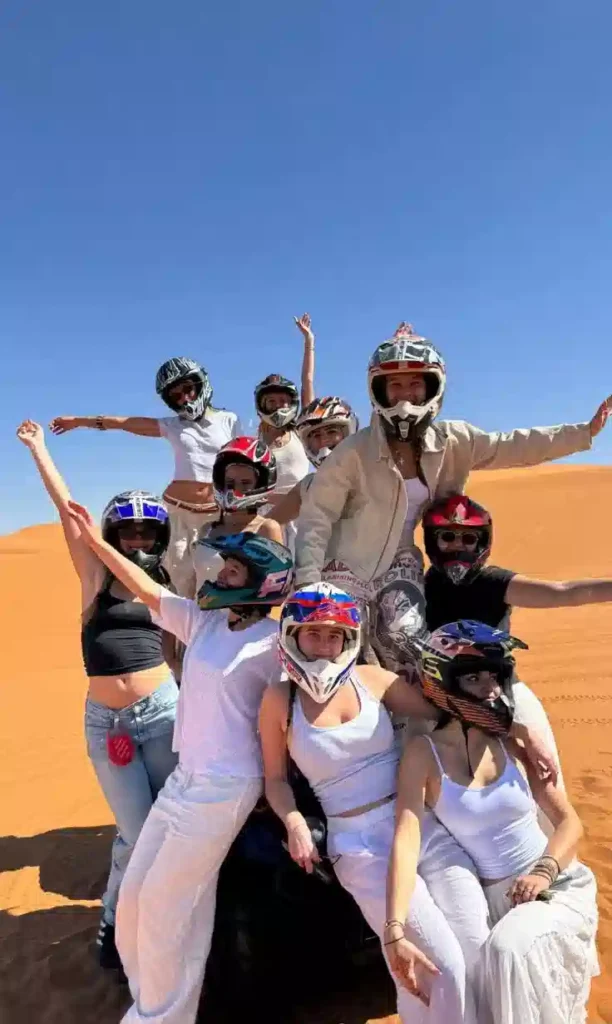
How the Sahara Sleepover Fits Your Morocco Study Abroad Schedule
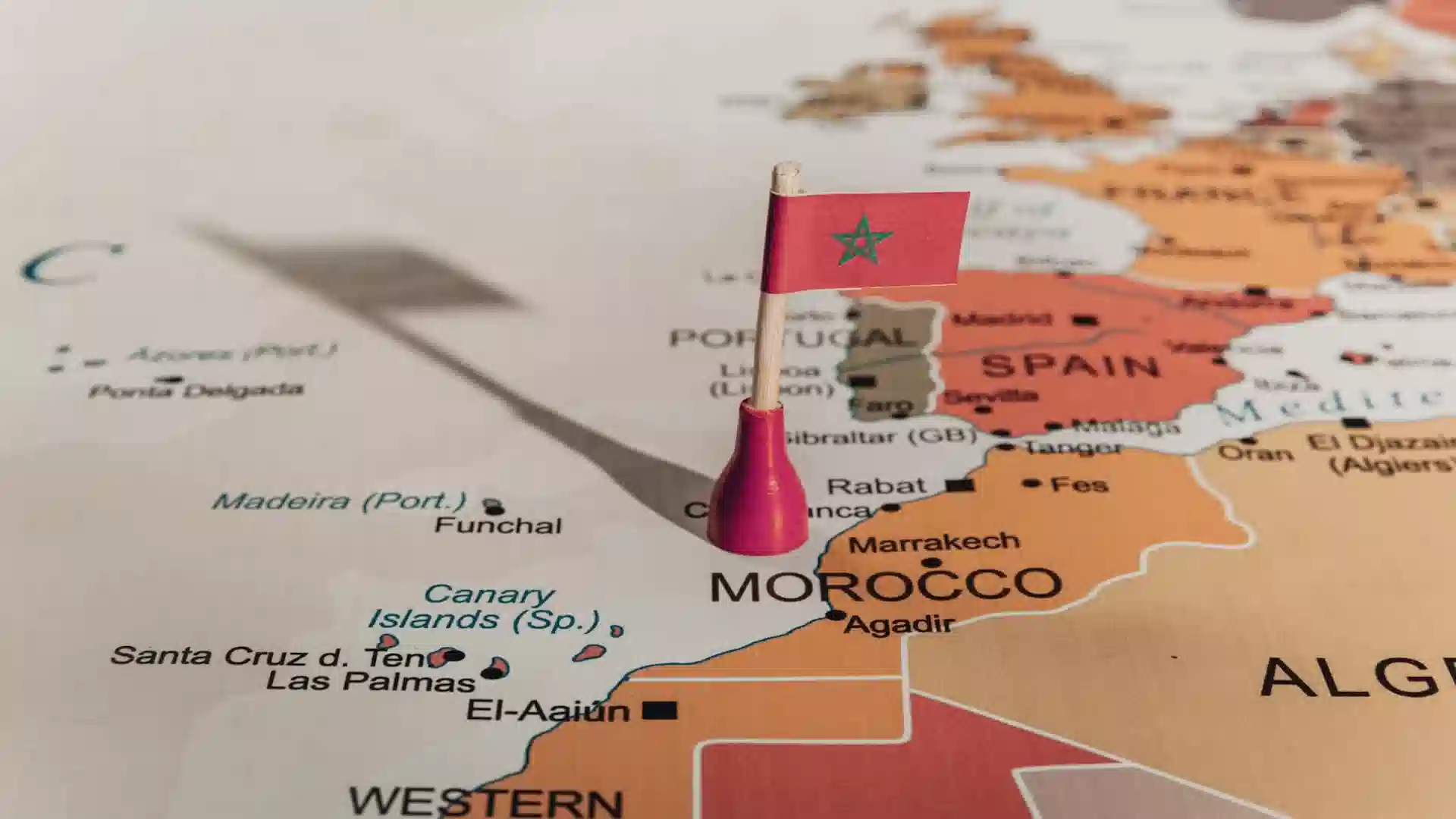
Given that Semester at Sea’s Fall 2026 Tangier stop runs a five-day window, September 22–27, and Spring 2026 runs April 2–7, the Sahara desert sleepover for Morocco study abroad students is realistically only compatible with the longer, multi-city custom itineraries — not a standalone day trip, since Merzouga sits roughly 9–10 hours of total driving from Tangier by any route.
Two Workable Patterns
Full 5-day loop: Tangier → Chefchaouen → Fes → Sahara overnight → Marrakech → return. This is the version covered in full in the main custom itinerary guide, and it’s the one that gets the desert night without cutting corners elsewhere.
4-day desert-focused loop: Skip Chefchaouen, go Tangier → Fes direct → Sahara overnight → Marrakech → return, trading the Blue City for more breathing room around the desert leg.
What doesn’t work well: trying to squeeze the desert night into a 3-day port stop. The math doesn’t hold up once you account for the drive in both directions plus the return buffer to the ship — something several private operators will still sell you if you don’t ask pointed questions about total drive hours first.
Booking It: Merzouga Desert Overnight SAS Field Program vs. a Private Erg Chebbi Camel Trek for Students
Both paths exist, and both have shown up consistently in Semester at Sea’s own materials and in independent operator itineraries.
Through the SAS Field Program: Semester at Sea’s official field program listings for Morocco have included multi-day Sahara Desert trips as a bookable option, run with SAS oversight, insurance, and staff. This is the lower-effort, lower-flexibility path you go on the schedule SAS sets, with the group SAS assembles.
Through a private, Morocco-based operator: Several operators run Sahara desert trips explicitly built for student groups including Semester at Sea, departing from multiple cities — Marrakech, Fes, Casablanca, Tangier, and Errachidia — with flexible 3-day and 4-day options depending on starting point. This is the route that lets you control group size, exact departure city, and how the desert night slots into a broader custom Morocco itinerary rather than standing alone.
Over Morocco Tours runs exactly this kind of trip for Semester at Sea students — custom pickup from your Tangier port date, a proper Erg Chebbi camel trek for students timed for sunset, an overnight Sahara sleepover camp, and drop-off back on schedule for reboarding.
What to Ask Before Booking Either Way Your Semester At Sea Desert Camp Morocco:
Which desert — Merzouga or Zagora — and how many total driving hours each direction?
Is the camel trek included, or is it 4×4 transfer only?
How many people per tent, and is there a private-tent upgrade option?
What’s the cancellation policy if the ship’s port schedule shifts? (Worth remembering that more than half of all Semester at Sea voyages have required some itinerary adjustment historically, so land-tour flexibility matters.)
Is dinner and the return sunrise trek included in the base price, or add-ons?
Get all five questions answered in one message. Over Morocco Tours puts departure city, drive time, camel trek inclusion, tent setup, and cancellation terms in writing before you pay a deposit. Request your custom Sahara overnight quote →
What to Actually Pack for Your Sahara Desert Camp Night
This list is shorter than most desert-camp packing guides because most of what’s on those lists you won’t need for one night. What you will need:
A warm layer you wouldn’t expect to need in the Sahara. Desert nights drop sharply once the sun is down — often into the 40s°F (single digits °C) even when the daytime hits 90°F+. A packable jacket or fleece is not optional.
A headlamp or phone flashlight. Camp lighting is minimal by design, and paths between tents are sand, not sidewalk.
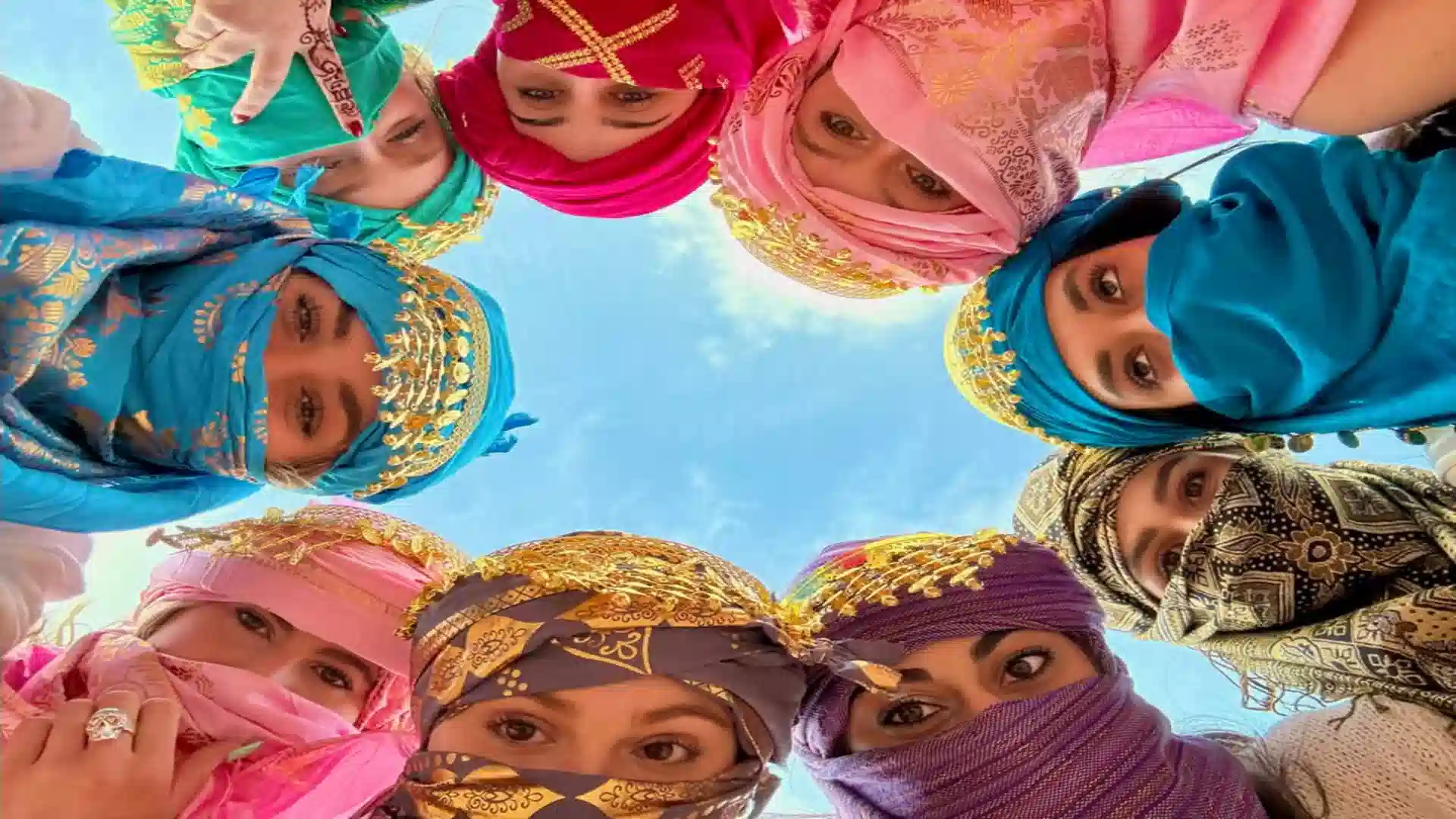
A scarf or buff. Doubles as sun protection during the camel trek and windproofing at night; also useful if the wind kicks up sand.
Sunscreen and sunglasses, even for a single afternoon — desert sun reflecting off pale sand is stronger than it feels.
A portable charger. No power outlets at camp; if you want your phone alive for sunrise photos, bring it charged and back it up.
Closed shoes you don’t mind filling with sand, not sandals — the camel trek and dune walking both put sand everywhere regardless.
Cash (dirham). Camps are not set up for cards, and tips for camel handlers and camp staff are customary and appreciated.
Wet wipes or a small towel. Shower access varies by camp tier, and it’s genuinely nice to have your own solution rather than assume.
Leave behind: anything valuable you’re not willing to carry on a swaying camel, and any expectation of reliable signal — treat it as the one deliberately disconnected night of your entire voyage.
The Parts Nobody Warns You About Semester At Sea Morocco Desert Experience:
Most write-ups sell the sunset and skip the logistics. Here’s the honest version.
It’s colder than you think, both directions. Daytime desert heat and nighttime desert cold are both more extreme than most students pack for on their first Morocco stop, since the same dry air that lets the sun bake you at noon lets heat radiate straight back out after dark.
The camel trek is not glamorous the whole way. It’s genuinely fun, but also bumpier and slower than it looks in photos, and dismounting/mounting technique takes most people one awkward try to figure out. Guides handle this fine; just don’t expect grace on your first attempt.
Sand gets everywhere, including in your bag. Zip everything you can. It’s not a big deal, just an expected one.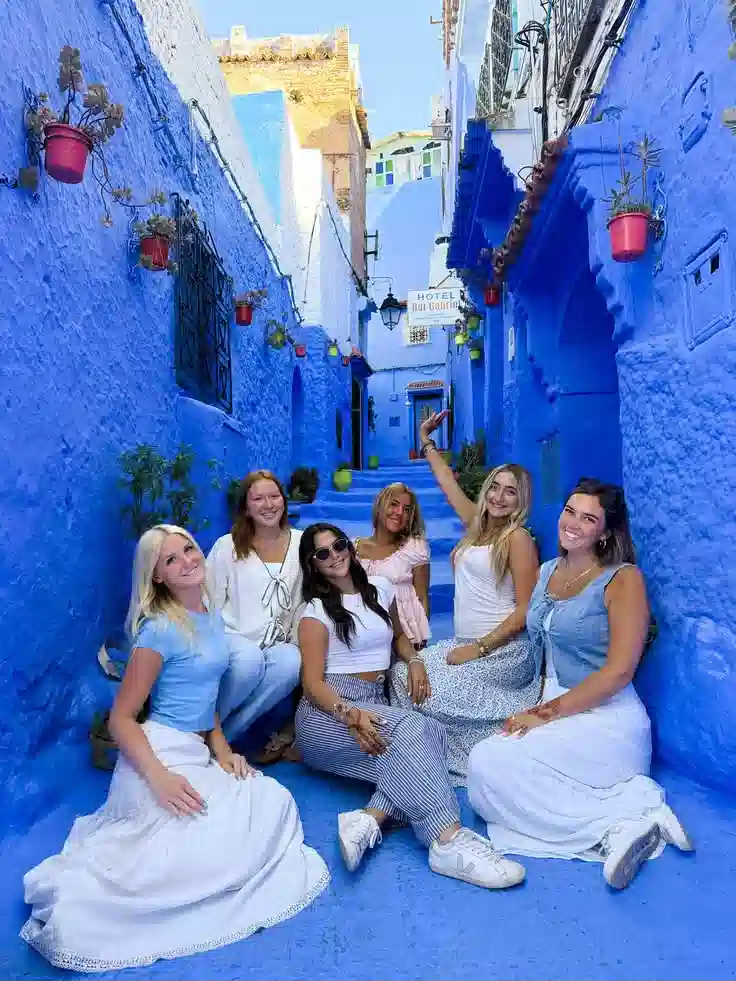
Third-party camps vary a lot. “Luxury desert camp” is used loosely across the industry some camps genuinely mean tents and real beds, others mean slightly nicer shared tents with the same mattress-on-sand setup as a mid-tier camp. Ask for photos of the specific camp, not just the operator’s general marketing gallery, before you book.
It’s the one leg of the itinerary where things occasionally go sideways logistically as one group’s tour experience shows, a vehicle breakdown before pickup is a real possibility on remote desert routes, though well-run operators handle it with a quick replacement transfer rather than derailing the trip. Build slack into your schedule around this leg more than any other.
It’s still, by a wide margin, the thing people remember. Every honest caveat above sits next to the same consistent pattern in alumni accounts: the night under the stars in the Sahara gets named as a standout memory alongside the Taj Mahal and penguins in South Africa not despite the cold and the sand, but somehow because of the whole unfiltered package.
Frequently Asked Questions For Erg Chebbi Camel Trek Students:
How cold does it actually get in the Sahara at night?
Cold enough to genuinely need a real jacket, even after a hot afternoon — temperatures commonly swing 40–50°F (about 20–28°C) from daytime highs to nighttime lows in the desert, since dry air holds almost no heat once the sun sets.
Is the camel trek required, or can I skip it During semester at sea Morocco desert experience?
Most camps offer a 4×4 transfer alternative for anyone who can’t or doesn’t want to ride, but the camel trek is genuinely the most traditional and scenic way in, timed at the sunset.
Which desert do most Semester at Sea Morocco itineraries use — Merzouga or Zagora?
Merzouga’s Erg Chebbi dunes are the standard for the Fes-based route out of Tangier, since that’s the confirmed 2026 port. Zagora shows up more often on Marrakech-first itineraries because it’s a shorter drive from there.
Do I need a visa or special permit for the desert region?
No — it’s part of standard Moroccan territory, not a restricted zone. Standard Morocco entry requirements for your nationality apply to the whole trip.
Is there phone signal at the desert camp?
Rarely, and it’s usually weak where it exists. Treat it as a deliberately disconnected night rather than something to troubleshoot.
Can I book just the Sahara overnight without the rest of the Morocco itinerary?
Technically yes through some operators, but given the drive distance from Tangier, it only makes sense as part of a multi-day loop. Over Morocco Tours can build the Sahara desert overnight into a full custom Morocco itinerary around your port dates — see the full custom itinerary guide for how it fits into a complete port-stop plan.
Is one night enough, or should I try for two?
Some itineraries do offer a second desert night with additional activities like quad biking or a longer camel trek, but a single night captures the core experience — sunset trek in, camp, sunrise trek out — without eating further into the rest of your limited port time.
What happens if the ship’s schedule changes and I miss the trip?
This is exactly why a written, flexible cancellation policy with your land operator matters — itinerary shifts have affected more than half of all Semester at Sea voyages historically, so treat any non-refundable desert-tour booking as a real risk, not a formality.
Book Your Semester at Sea Sahara Desert Overnight Tour
Nearly every other stop on a Semester at Sea Morocco port day is a version of something you could see, at least in outline, somewhere else on the voyage another medina, another mountain drive, another old city. The Sahara night isn’t. It’s the one leg of the whole itinerary built entirely around silence, cold air, and a sky with nothing between you and it.
Pack the warm layer, ask specific questions before you book, build slack into the schedule around it, and go in expecting sand in your bag and no signal on your phone. That combination is exactly why it’s the thing people are still talking about years after the ship docks back home.
Ready to lock in your dates? Over Morocco Tours specializes in the semester at sea Sahara desert overnight tour and the wider Morocco desert experience custom pickup and drop-off timed to your ship’s Tangier port schedule, a real Erg Chebbi camel trek for students, an authentic desert camp Morocco stay with dinner and music, and a sunrise ride out before you need to be back onboard.
Get your free custom Morocco desert itinerary and quote at Over Morocco Tours→
This guide draws on Semester at Sea’s official field program materials, alumni accounts, and route details from Morocco-based operators who run Sahara Desert trips specifically for SAS student groups. It’s a companion piece to our Semester at Sea Custom Morocco Itinerary guide — read that first if you’re still mapping out your full port-stop plan, and link back here from that guide for the full topical cluster. Last updated: July 2026.