Berber Homestays & Regenerative Trekking in the High Atlas 2026
For the conscious traveler, the true magic of Morocco isn’t found in the marble halls of luxury hotels, but in the stone-and-mud-brick villages clinging to the slopes of the Atlas Mountains. In 2026, travel has shifted toward “Regenerative Tourism”—a way of visiting that doesn’t just leave no trace, but actively improves the local community. At the heart of this movement are Berber Homestays.
At Over Morocco Tours, we believe that the High Atlas is more than a trekking destination; it is a living, breathing culture. In this 3,000-word guide, we explore how choosing Berber Homestays and regenerative trekking paths can transform your Moroccan adventure from a simple holiday into a soulful connection.
Table of Contents
What are Berber Homestays? Authentic Morocco Travel (The 2026 Experience)
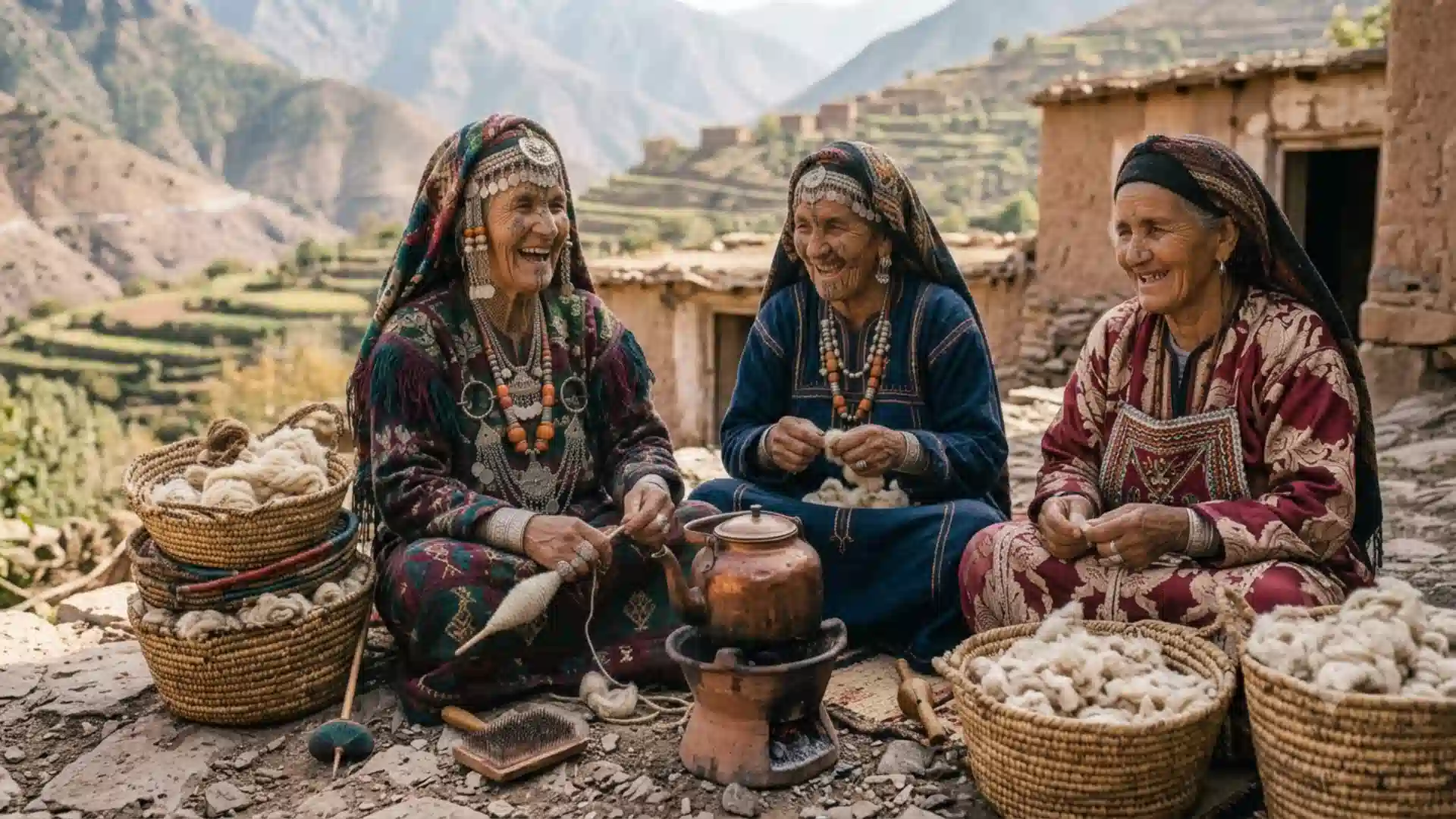
Berber Homestays are more than just “budget accommodation.” They are an invitation into the “Amazigh” (Berber) way of life. When you choose a homestay, you are staying in a traditional house, eating meals prepared by the family, and contributing directly to the village economy.
In 2026, many Berber Homestays in the Imlil and Azzaden Valleys have upgraded their facilities to include solar-powered showers and organic gardens, ensuring your stay is as comfortable as it is sustainable. However, the core remains the same: the warm hospitality, the endless mint tea, and the smell of fresh bread baking in the tannourt oven.
Regenerative Trekking Morocco: Why it Matters in 2026
Regenerative trekking goes a step beyond “Eco-friendly.” It is about restoring the landscape and the community. When you book a trek through the High Atlas with a local guide, you are:
- Supporting Soil Health: We use ancient mule paths that prevent erosion.
- Reforestation: Many of our 2026 trekking routes include a stop to plant almond or walnut trees.
- Cultural Preservation: By staying in Berber Homestays, you provide the financial incentive for young people to stay in their ancestral villages rather than moving to the cities.
The Ecosystem of Mountain Travel
To understand the value of Berber Homestays, one must look at the entire ecosystem of sustainable trekking in Morocco. These Atlas mountain villages rely on a delicate balance of agriculture and village tourism. By choosing an authentic Morocco travel path, you are supporting Amazigh hospitality and ensuring the survival of the Imlil trekking routes. This form of ethical travel in the High Atlas provides a direct financial injection into rural families, funding everything from solar energy to local schools. When you engage in regenerative trekking, you aren’t just a tourist; you are a participant in the preservation of a culture.
Top 3 Regions for Authentic Berber Homestays
1. The Azzaden Valley (The Red Valley)
Known for its stunning red soil and juniper forests, this is the best place for a truly quiet experience.
- The Homestay Experience: Expect simple, beautiful rooms with hand-woven carpets.
- The Trek: A moderate 3-day loop that avoids the crowds of Toubkal.
2. The Ait Bouguemez Valley (The Happy Valley)
This high-altitude valley is famous for its lush green fields and ancient dinosaur footprints.
- The Homestay Experience: Many families here are also farmers; you might help harvest walnuts in the afternoon.
- Regenerative Tip: Purchase local saffron directly from the village cooperatives.
3. Imlil and the Toubkal Massif
The gateway to North Africa’s highest peak. While busy, it still offers incredible Berber Homestays in the surrounding sub-villages like Aroumd.
-
The Experience: High-altitude air and views of the snow-capped peaks.
A Day in the Life: Trekking & Staying with a Berber Culture guide:
- 08:00 AM: Wake up to the sound of a rooster and the smell of fresh Msemmen (Moroccan pancakes).
- 09:30 AM: Begin your trek with a local guide and a mule. Your guide won’t just show you the path; he will explain the medicinal uses of the wild thyme and lavender.
- 01:00 PM: A picnic lunch prepared by your muleteer—usually a fresh salad with sardines, olives, and local bread, eaten by a mountain stream.
- 04:00 PM: Arrive at your Berber Homestay. Join the “Lalla” (mother of the house) in the kitchen to learn the secret to a perfect Atlas mountain tagine.
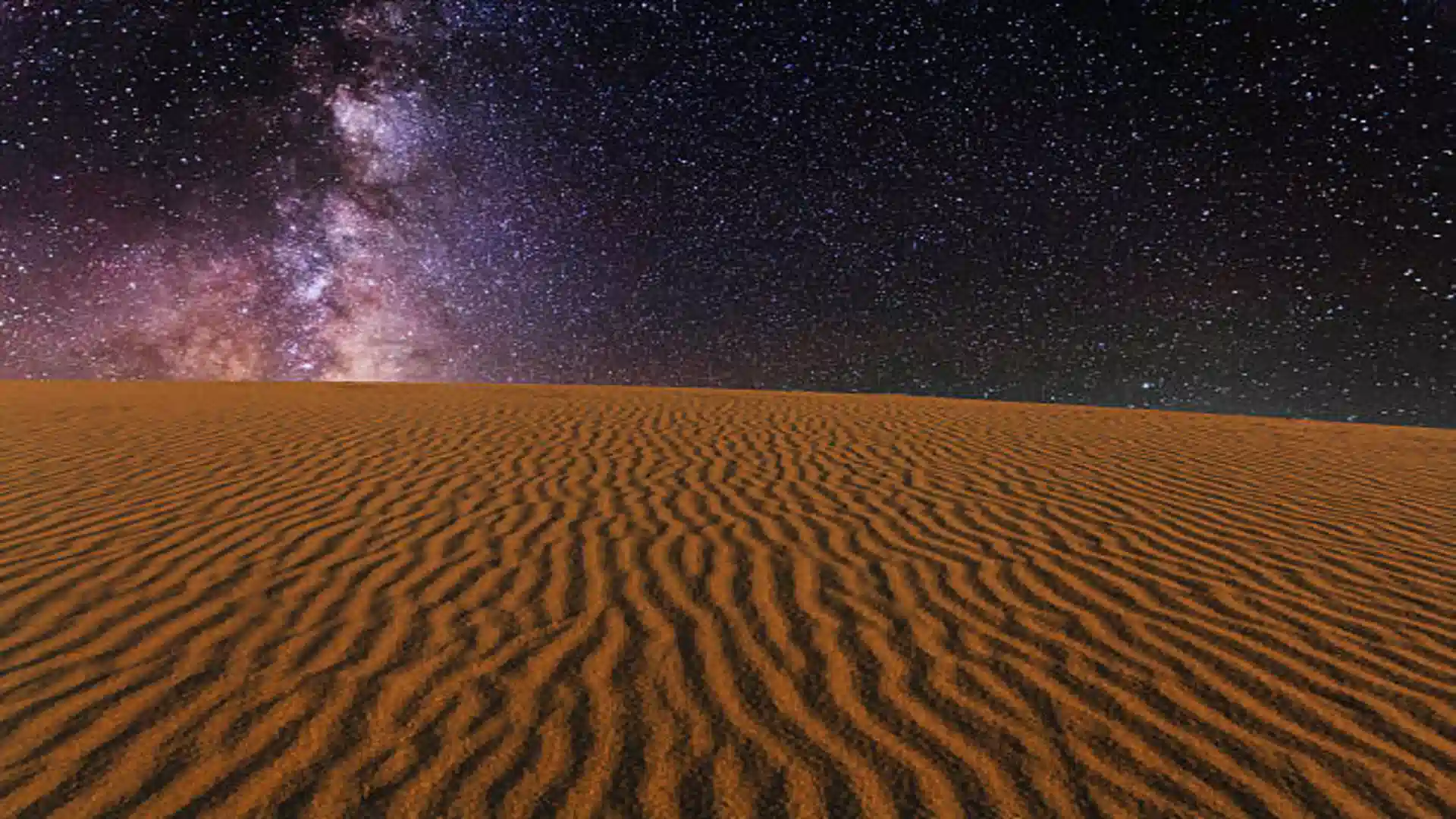
- 07:00 PM: Dinner by the fireplace, followed by stargazing. With zero light pollution, the High Atlas sky is a galaxy of stars.
Budgeting for Your High Atlas Trekking 2026
| Service | Estimated Cost (MAD) | Why it supports the community? |
| Berber Homestay (Night/Half-Board) | 400 – 600 MAD | 100% of profit stays with the family. |
| Licensed Local Mountain Guide | 500 – 800 MAD | Supports local education and families. |
| Mule & Muleteer (Per Day) | 250 – 350 MAD | Vital income for families owning livestock. |
FAQ: Berber Homestays & Trekking
Q: Do I need a guide for the High Atlas in 2026?
A: Yes. Since 2019, it is legally required and highly recommended for safety to have a licensed guide for high-altitude trekking. Furthermore, a guide acts as your translator and cultural bridge during Berber Homestays.
Q: Are Berber Homestays cold in the winter?
A: Traditional houses are built with thick walls to regulate temperature. However, in winter (Dec–Feb), they can be chilly. Most homestays provide plenty of heavy wool blankets, but we recommend a good sleeping bag for the high-altitude stops.
Q: Is it appropriate to bring gifts for the family?
A: While not expected, small gifts like school supplies for children or fruit from the lower valleys are always appreciated. Avoid giving sweets or money directly to children.
Conclusion: Leave Morocco Better Than You Found It
Choosing Berber Homestays isn’t just about finding a place to sleep; it’s about choosing to be part of the solution. By trekking with intention and living with the locals, you ensure that the High Atlas remains vibrant and preserved for generations to come.
At Over Morocco Tours, we specialize in these deep cultural connections. Whether you want to summit Toubkal or walk the quiet paths of the Azzaden Valley, we have the local expertise to guide you.
Start Planning Your 2026 High Atlas Trek Today or View our Sustainable Tour Itineraries.