The Ultimate Morocco Packing List & Style Guide for 2026
The challenge of a Morocco packing list is a unique travel puzzle: how to respect a deep culture and simultaneously prepare for extreme climate shifts. You can be in the sweltering, maze-like souks of Marrakech and then in freezing sub-zero night air in the Sahara and gusty passes in the High Atlas Mountains, all within a 48-hour window.
Whether you are searching for exact details on what to wear in Morocco to navigate local expectations comfortably, looking for an expert Morocco packing list for women, or trying to figure out what to pack for Sahara Desert overnight treks, this comprehensive 2026 guide covers every angle. Below, you will find our deep dive into Morocco clothing culture, region-by-region breakdowns, footwear safety, electronics, and a complete Morocco packing checklist 2026 you can copy before you head to the airport.
Table of Contents
Quick Summary: Essential Morocco Packing List
- Clothing: Loose, breathable, lightweight layers that cover shoulders, chest, and knees for medinas. Pack one heavy insulating thermal layer for mountain passes and desert nights.
- Footwear: Sturdy, supportive walking shoes or trainers for uneven medina cobblestones; closed hiking boots for Atlas treks and sand dunes.
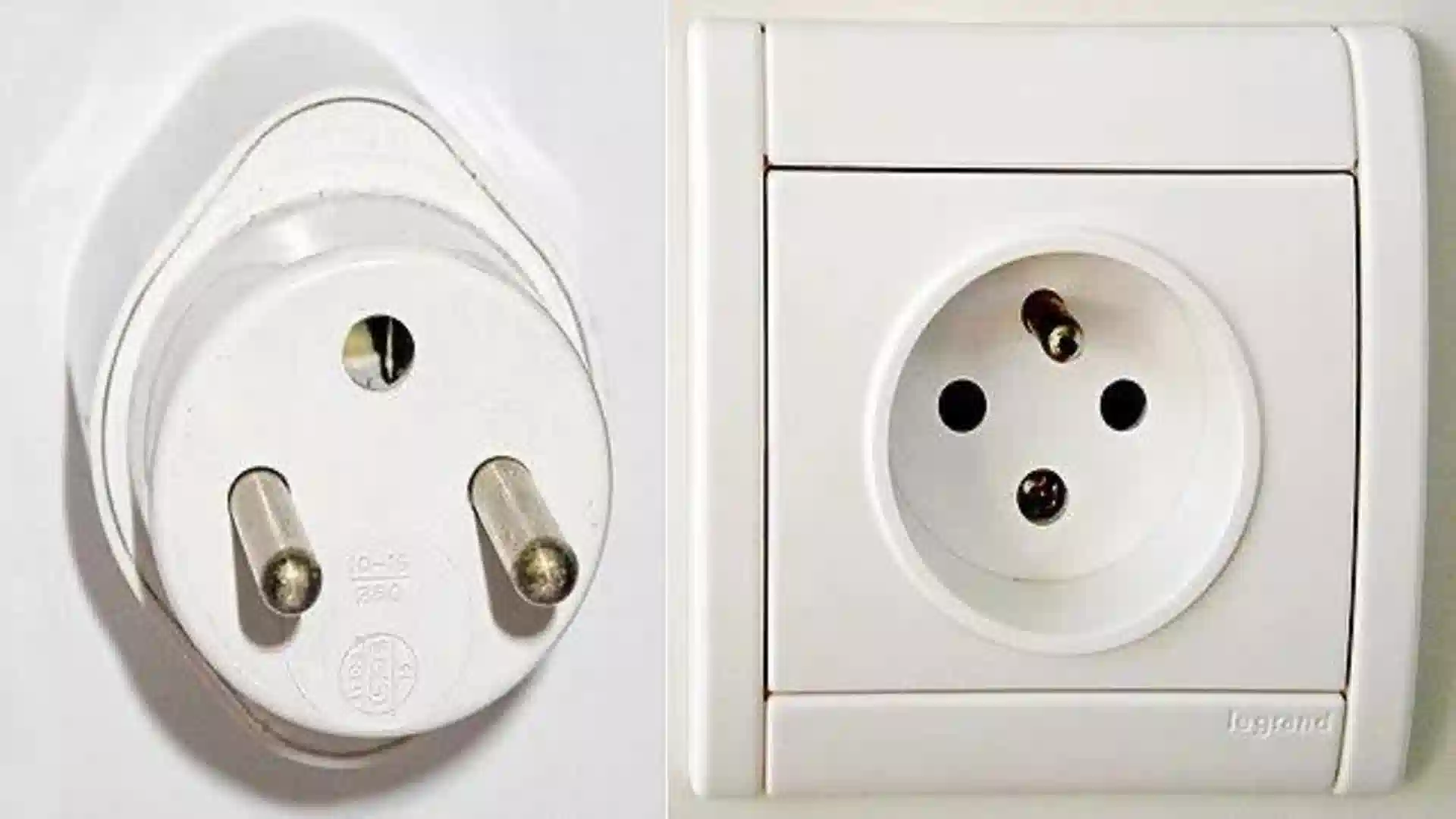
- Electronics: Type C and Type E plug adapters with a power bank for remote desert camps. See our Morocco plug type guide.
- Health & Skincare: High-SPF sunscreen, electrolyte rehydration powder, hand sanitizer, wet wipes, and prescription medicine.
- Money & Admin: Moroccan Dirham (MAD) cash for cash-first souks, low-fee credit cards, passports, and printed booking confirmations.
- Versatile Extras: A lightweight scarf or pashmina (for dust, sun, warmth, and modesty), dark sunglasses, and a secure daypack.
Understanding Morocco Clothing Culture & Dress Expectations
To understand what to wear in Morocco, it helps to understand the underlying values of Morocco clothing culture. Morocco is a Muslim-majority country that balances traditional North African Islamic heritage with modern Mediterranean life. While major metropolitan hubs like Casablanca, Rabat, and parts of modern Marrakech (like Guéliz) see plenty of contemporary Western styles, modesty remains the universal baseline across the nation.
Respectful dressing isn’t just about adhering to local customs; it’s about transforming your travel experience. Visitors who cover their shoulders, chest and knees tend to experience less unwanted stares, warmer hospitality, smoother interactions in traditional markets and easier haggling in local souks.
| Location / Setting | Cultural Expectation | Recommended Clothing |
|---|---|---|
| Urban Medinas (Marrakech, Fes) | Moderate modesty. High tourist density, but historic surroundings. | Loose linen trousers, midi or maxi dresses covering knees, and short or long-sleeve tops covering shoulders. |
| Rural Villages & Atlas Mountains | High modesty. Conservative Amazigh (Berber) communities. | Loose hiking trousers, non-revealing tops, long sleeves, and full coverage down to wrists and ankles are preferred. |
| Coastal Resorts (Taghazout, Agadir) | Relaxed, beach-centric norms. Surf culture hub. | Standard swimsuits, shorts, and tank tops on the sand. Throw on a kimono, tunic, or kaftan when stepping off the beach. |
| Private Riads & Luxury Hotels | Western resort norms apply within private grounds. | Bikinis, swimwear, sun dresses, and sleeveless loungewear around private courtyards and swimming pools. |
| Mosque Exteriors & Sacred Sites | Strict religious modesty requirements. | Ankle-length trousers/skirts, full arm coverage. Women should carry a headscarf for sites that allow entry (e.g., Hassan II Mosque). |
Morocco Packing List for Women: Style, Comfort & Modesty
Creating a dedicated Morocco packing list for women does not mean sacrificing style or sweltering in heavy blankets. The secret to dressing well in Morocco is flowing, loose-fitting silhouette garments made from natural fibers like linen, 100% breathable cotton, rayon, or bamboo. Loose clothing actually traps less heat against your skin than tight shorts or crop tops while offering natural shade from intense UV rays.
Core Capsule Wardrobe for Female Travelers
- 3x Wide-Leg Linen Trousers or Culottes: Unbeatably cool, flattering, and completely Medina-appropriate.
- 2x Flowing Maxi or Midi Dresses: Choose options with high necklines and short sleeves (or pair them with a light throw-over shirt/cardigan).
- 3-4x Loose Cotton Tunics / Button-Down Shirts: Oversized linen button-downs serve as lightweight sun shields over tank tops or camisoles.
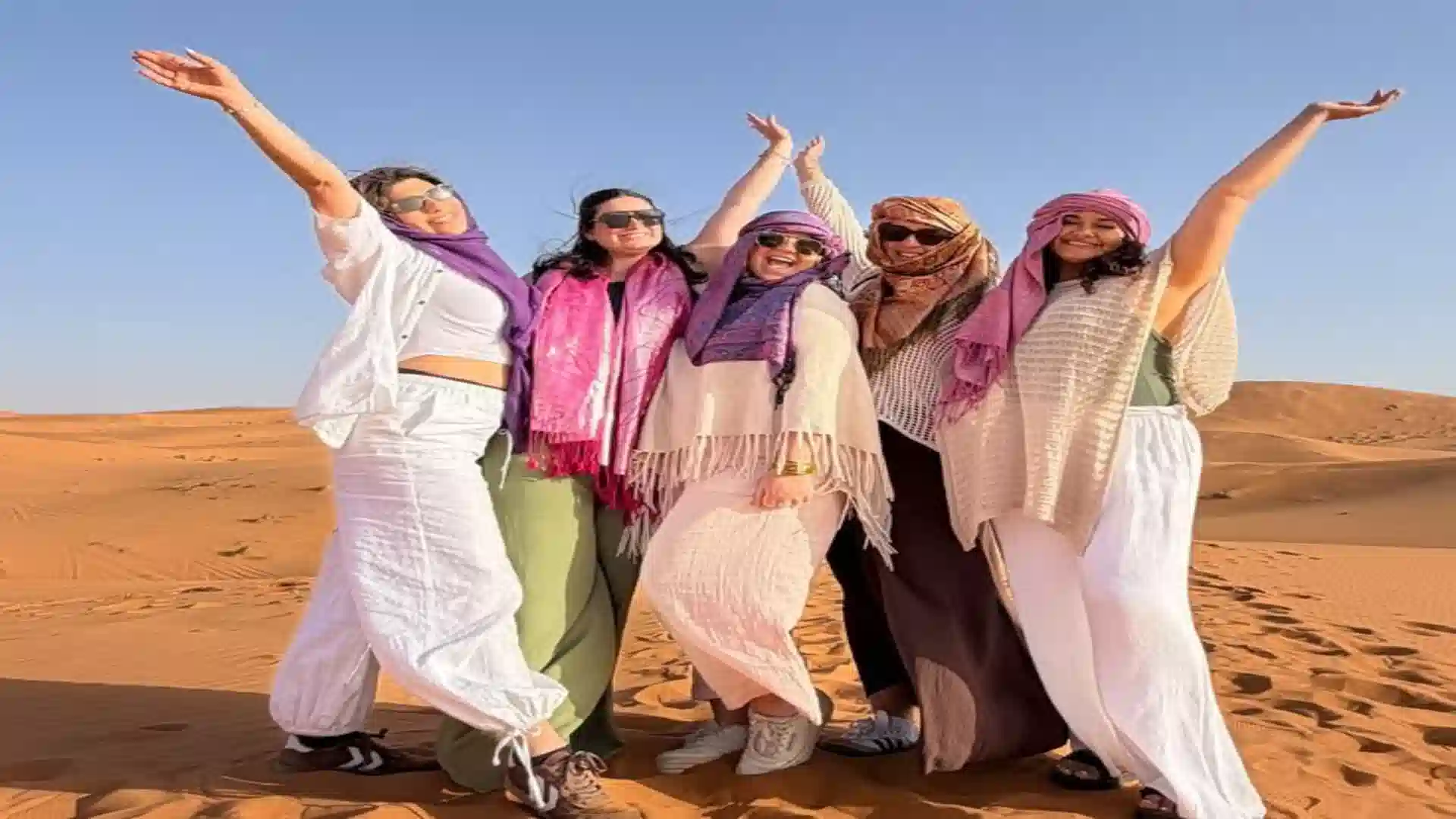
- 2x Lightweight Pashminas or Large Cotton Scarves: The ultimate multi-tool. Protects your neck from the sun, wraps over shoulders near religious sites, shields your face from desert sandstorms, and adds warmth at dinner.
- 1x Denim Jacket or Heavy Cardigan: Perfect layer for cool evening walks in medinas and dinner at rooftop restaurants.
- 1x Pair of Opaque Leggings: Great for layering under sheer dresses or wearing during camel treks to prevent skin chafing against coarse saddles.
- 1x Modest Swimsuit & Cover-Up: A one-piece or tankini for riad pools, plus a stylish kaftan for moving through public halls.
Headscarf etiquette note: Contrary to popular myth, female foreign tourists are not required by law or custom to cover their hair in daily public life in Morocco. You only need to cover your hair when entering designated active religious shrines or mosques that permit non-Muslim visitors (such as the Hassan II Mosque in Casablanca). Keep a scarf in your daypack so you’re ready for every situation.
Special Focus: What to Pack for Sahara Desert Treks
The Sahara Desert (Erg Chebbi in Merzouga or Erg Chigaga near Zagora) presents extreme physical conditions. Daytime dunes reflect blinding sunlight and scorching heat, while nighttime conditions can drop to freezing cold due to the lack of cloud cover and sand’s low thermal retention. Knowing exactly what to pack for Sahara desert excursions means preparing for both thermal extremes in a single 24-hour cycle.
Sahara Survival Gear Checklist
- A Traditional Cheche (Tagelmust / Desert Turban): While you can bring a standard scarf, purchasing a 2-to-3-meter cotton Berber turban in Ouarzazate or Erfoud is ideal. Your desert guide will wrap it to cover your entire head, ears, and neck while keeping blowing sand out of your nose and mouth.
- Heavy Thermal Sleepwear: From November through March, overnight desert camp temperatures frequently dip down to 0°C–5°C (32°F–41°F). Pack thermal base layers (merino wool or fleece), thick wool socks, and a knit beanie for sleeping in canvas desert tents.
- Closed-Toe Shoes / Light Hiking Boots: Never attempt camel riding or dune climbing in flip-flops. Deep sand quickly fills open sandals, becomes abrasive, and burns skin during high noon.
- High-Lumen Headlamp or Flashlight: Desert camps use minimal solar lighting late at night. A headlamp is essential for walking between your tent and the dining area or finding bathroom facilities safely.
- High-Capacity Power Bank (20,000mAh+): Electricity in luxury or standard desert camps can be limited to generator hours. A portable battery bank ensures your phone, camera, and headlamp stay charged for sunrise dune shots.
- Camera Dust & Sand Protection: Fine Saharan sand gets everywhere. Pack ziplock plastic bags, camera dry-bags, and lens cleaning kits to prevent abrasive dust from ruining electronic gears.
Seasonal Breakdown: What to Wear in Morocco Year-Round
When planning your Morocco packing list, the time of year dictates your technical outer layers. Below is what to expect across all four distinct Moroccan travel seasons:
| Season | Weather Profile | Seasonal Packing Priority |
|---|---|---|
| Spring (March – May) | Ideal travel window. Warm, sunny days (20°C–28°C / 68°F–82°F) with cool evenings. High Atlas snow melts. | Breathable day layers, a mid-weight sweater or denim jacket for evenings, a sun hat, and a rain shell for occasional northern showers. |
| Summer (June – August) | Extreme heat inland (38°C–45°C+ / 100°F–113°F+ in Marrakech & Sahara). Coastal regions remain pleasant (25°C / 77°F). | Ultra-light linen clothing, electrolyte powders, high-SPF sunblock, UV-blocking sunglasses, and a handheld mini fan. |
| Autumn (September – November) | Second prime travel window. Hot September, mellowing to warm October days with rapid nighttime temperature drops. | Versatile clothing layers, warm fleece for mountain pass crossings, and sturdy hiking shoes for desert excursions. |
| Winter (December – February) | Mild, crisp, sunny days (12°C–18°C / 53°F–64°F) but bitter cold nights (0°C–5°C / 32°F–41°F). Snowfall in the Atlas Mountains. | Heavy down coat or packable puffer jacket, thermal base layers, wool socks, waterproof jacket, and warm indoor slippers (unheated riads). |
The Master Morocco Packing Checklist 2026
Use this master, copy-pasteable Morocco packing checklist 2026 to ensure nothing critical gets left behind in your bedroom closet:
1. Clothing & Outerwear Essentials
- 4-5 lightweight, non-revealing tops (short-sleeve cotton tees, linen blouses, collared shirts)
- 3 loose trousers (linen pants, wide-leg trousers, chinos)
- 2 Midi/maxi dresses or skirts (for women)
- 1-2 Lightweight long-sleeve layering shirts
- 1 fleece jacket, heavy cardigan, or packable puffer coat
- 1-2 Pashminas, large cotton scarves, or desert shawls
- 5-7 sets of breathable underwear & moisture-wicking socks
- 1 modest swimsuit & lightweight pool cover-up
- 1 sun hat or wide-brimmed cap
- Nightwear / thermal pajamas (unheated mountain guesthouses can get chilly)
2. Footwear
- 1 pair of of broken-in, comfortable walking sneakers/trainers for city medinas
- 1 pair of sturdy, closed-light hiking shoes or boots for Atlas treks & Sahara dunes
- 1 pair of flat, supportive leather sandals or slip-on shoes for casual evenings
- 1 pair of flip-flops or shower slides (strictly for Riad pool decks or shared bathrooms)
3. Health, Toiletries & Personal Care
- High-SPF broad-spectrum sunscreen (SPF 30+ minimum)
- Lip balm with built-in SPF protection
- Travel-sized hand sanitizer and alcohol wet wipes (essential for public stalls)
- First-aid kit: Anti-diarrheal medication (Imodium), rehydration salts (liquid IV), pain relievers, motion sickness pills, adhesive plasters, and blister pads
- Insect repellent (DEET or Picaridin-based) for river valleys and desert oases
- Reusable insulated water bottle (fill only with bottled, boiled, or filtered water)
- Compact travel toilet paper/tissue packs (many public toilets lack tissue paper)
- Feminine hygiene products (tampons can be difficult to locate in rural shops)
4. Electronics & Travel Accessories
- European Type C / Type E plug adapters (220V, 50Hz)
- Dual-voltage travel power strip or multi-USB wall charger
- Heavy-duty portable battery power bank (10,000 to 20,000 mAh)
- LED headlamp or small flashlight with extra batteries
- Crossbody anti-theft daypack or secure bag for Medina walks
- TSA-approved luggage padlocks (useful for luggage left in drivers’ vans or riad storage)
- Foldable nylon tote bag for market souvenirs, ceramics, and leather goods
- Earplugs and eye mask (helps block out early morning call to prayer / Adhan)
5. Essential Documents & Money Matters
- Valid passport (must have at least 6 months remaining validity beyond departure)
- Printed copies of passport, travel insurance policy, and accommodation vouchers
- Debit & Credit Cards (notify banks of travel to prevent card blocks)
- Cash stash in EUR, USD, or GBP (easily exchanged at airport or local exchange bureaus)
- International Driving Permit (if renting a car to drive through Atlas passes)
What NOT to Pack for Morocco
Saving space in your luggage is just as important as filling it. Leave these items off your Morocco packing list to prevent travel headaches, damaged gear, or customs confiscation:
- High Heels and Stilettos: Medina streets consist of uneven cobblestones, slick tiles, open drainage gutters, and dirt alleys. Heels are a quick path to a sprained ankle. Stick to flat, supportive footwear.
- Drones (STRICTLY PROHIBITED): Unmanned Aerial Vehicles (UAVs/Drones) are illegal to bring into Morocco without advance government military permits. Customs officials will confiscate unpermitted drones at airport security checkpoints.
- Single-Voltage American Hair Appliances: North American hair dryers and straighteners run on 110V. Plugging a 110V tool into Morocco’s 220V outlet will blow the fuse or destroy the appliance. Rely on RAID amenities or use dual-voltage (100-240V) travel styling tools.
- Expensive Flashy Jewelry & Designer Handbags: Flashing high-end luxury items in crowded market stalls draws unwanted attention from pickpockets and hustlers. Leave expensive gold, diamonds, and designer totes at home.
- Hard-Shell Giant Suitcases: Traditional Moroccan riads are located deep within pedestrian-only medinas where vehicles cannot go. You will have to walk with your luggage or pay a porter with a handcart. Furthermore, ridged staircases are narrow and lack elevators. A flexible duffel bag or medium rolling suitcase is far easier to manage.
- Overly Sheer, Tight, or Micro Clothing: Save crop tops, micro-shorts, skin-tight bodycon dresses, and sheer mesh tops for private hotel pools or beach clubs. Wearing them in historic medinas or rural towns often leads to uncomfortable attention and cultural friction.
Recommended Morocco Itineraries & Tours
Now that your wardrobe and gear are organized, match your Morocco packing checklist 2026 with one of our hand-crafted, locally guided Moroccan itineraries:
| Tour Package | Duration | Highlights & Regions Covered |
|---|---|---|
| 3-Day Marrakech to Merzouga Sahara Tour | 3 Days / 2 Nights | High Atlas Tizi n’Tichka Pass, Ait Benhaddou Kasbah, Todra Gorge, camel trekking in Erg Chebbi, and sleeping under desert stars. |
| 7-Day Imperial Cities & Blue City Tour | 7 Days / 6 Nights | Explore Casablanca, Rabat, Chefchaouen’s blue alleyways, the ancient city of Fes, and vibrant Marrakech medinas. |
| 10-Day Grand Morocco Highlights Circuit | 10 Days / 9 Nights | The ultimate country loop: Imperial cities, Chefchaouen, Sahara luxury camp, High Atlas valleys, and coastal Essaouira. |
Frequently Asked Questions About Packing for Morocco
Do female tourists need to wear a headscarf in Morocco?
No, women do not need to cover their hair during daily tourist activities, sightseeing, dining, or traveling. A headscarf is only required when entering active religious sites or specific mosques that welcome non-Muslim visitors (such as the Hassan II Mosque in Casablanca). Keeping a light scarf in your daypack is recommended.
Is it acceptable to wear shorts and tank tops in Marrakech?
While you will see tourists wearing shorts and tank tops in high-density tourist areas of Marrakech and inside private riads, it is generally discouraged for old medina walks and rural travel. Wearing shorts or revealing tops attracts unwanted staring and hassle. Opt for knee-length shorts, linen trousers, or midi skirts for a smoother, more comfortable experience.
What are the electrical plug types and voltages used in Morocco?
Morocco uses Type C and Type E electrical outlets operating at a standard voltage of 220V and 50Hz frequency. Travelers from Europe will find their standard two-round-pin plugs fit easily. Travelers from North America or the UK will need a travel adapter plug, as well as dual-voltage appliances (100V-240V) to avoid blowing fuses.
How cold does the Sahara Desert get at night?
Desert temperatures fluctuate dramatically. During winter nights (December to February), temperatures in Erg Chebbi frequently drop to between 0°C and 5°C (32°F–41°F). Even during spring and autumn, night temperatures hover between 10°C and 15°C (50°F–59°F). Packing thermal base layers, a fleece jacket, and warm socks is vital for overnight desert tent stays.
Can I do laundry during my trip to Morocco?
Yes! Most traditional riads, hotels, and guesthouses offer laundry services for a reasonable fee per item or bag. Alternatively, local dry cleaners and laundromats (pressing) are widely available in major cities like Marrakech, Fes, and Rabat, allowing you to travel light with a smaller suitcase.
What shoes are best for walking around Moroccan medinas?
The best shoes for Moroccan medinas are supportive, closed-toe sneakers or broken-in leather walking shoes. Medina alleyways are made of uneven cobblestones, slick tiles, and dirt paths where dust, grime, and uneven surfaces are common. Avoid thin flip-flops or high heels for daily walking.
Related Morocco Travel Guides
Continue planning your North African adventure with our expert travel guides:
Bags Packed? Let’s Plan Your Dream Morocco Adventure
Now that your Morocco packing list is finalized, let our local travel experts handle the rest of your trip logistics. From private 4×4 desert transport to authentic riad bookings and expert local medina guides, we craft seamless Moroccan journeys tailored to your budget and travel style.
Skip the stress of navigating transport and itinerary planning alone. Explore our top-rated tour packages today!