15 Best Things to Do in Essaouira, Morocco (2026 Travel Guide)
Essaouira is the coastal haven that almost every traveler to Marrakech wishes they had spent more time exploring. Perched along the wind-swept Atlantic shoreline behind majestic 18th-century sea walls, this fortified harbor city swaps the hectic energy of inland medinas for bright blue fishing boats, fresh grilled sardines, bohemian art galleries, and an easygoing pace that instantly relaxes you.
Whether you are actively mapping out top things to do in Essaouira, curating a list of essential things to see in Essaouira, or simply wondering what to do in Essaouira Morocco during a quick coastal excursion from Marrakech, this guide covers every detail. Discover the top historic landmarks, secret local haunts, pristine Atlantic beaches, day trips through argan forests, and an expert breakdown of what to see in Essaouira Morocco no matter your travel schedule.
Table of Contents
Quick Summary: Essential Essaouira Morocco Things to Do
- Iconic Highlights: Scale the Skala de la Kasbah sea ramparts and photograph the iconic blue fishing boats at the port harbor.
- Best Area to Explore: The pedestrian-only walled Medina, a UNESCO World Heritage site filled with artisan shops.
- Top Outdoor Activity: Kitesurfing, windsurfing, or camel rides along the windy Atlantic sands of Plage d’Essaouira.
- Unmissable Food Experience: Savoring fresh ocean catches grilled right in front of you at the harbor fish stalls.
- Distance from Marrakech: Approximately 175 km (108 miles) — roughly a 2.5 to 3-hour drive by car, grand taxi, or Supratours bus.
- Ideal Stay Length: 1 full day for key highlights; 2 to 3 days to fully absorb the artistic vibe, relax on the beach, and take local day trips.
The Top Things to Do in Essaouira
From ancient Portuguese fortifications to world-class watersports, the sheer range of things to do in Essaouira Morocco makes it one of North Africa’s most versatile coastal towns. Here are the top activities to add to your itinerary:
1. Walk the Historic Skala de la Kasbah Ramparts
If you ask any local what to see in Essaouira Morocco first, they will point you toward the Skala de la Kasbah. Constructed in the 1760s by French architect Théodore Cornut to defend the port, these thick stone sea walls feature a dramatic lineup of brass European cannons pointing directly across the crashing waves of the Atlantic. Walking along the ramparts at golden hour offers sweeping panoramic views of the ocean, the rocky shores below, and the whitewashed city walls. Pop-culture fans will also recognize this fortified wall as the set for Astapor in Game of Thrones.
2. Experience the Energy of the Active Fishing Port
The bustling harbor at the edge of town remains the pulsing heart of local life. Watching the fishermen bring in their daily catches of sardine, sea bass, and octopus is widely considered one of the absolute best things to see in Essaouira. Seagulls wheel overhead as woodworkers repair traditional cobalt-blue wooden trawlers on the slipways. Visit around mid-morning to witness the chaotic energy of the open-air fish auction inside the harbor gates.
3. Get Wonderfully Lost in the UNESCO Medina Souks
Unlike the maze-like medinas of Fes or Marrakech, Essaouira’s historic walled old town was built on a clean grid system, making it virtually impossible to get stressed or lost. Browsing these peaceful lanes is one of the most pleasurable things to do in Essaouira. The city is famous for its intricate Thuya wood carvings (a fragrant local burl wood), hand-woven wool blankets, silver Berber jewelry, organic argan oil cosmetics, and hand-painted ceramics. Shop owners here are noticeably more relaxed, making bargaining a pleasant conversation rather than a high-pressure ordeal.
4. Harness the Trade Winds with Kitesurfing & Windsurfing
Known across the globe as the “Wind City of Africa,” the coastal trade winds (known locally as the Alizés) blow consistently across Essaouira Bay year-round. This makes taking a windsurfing or kitesurfing lesson one of the most popular sport-focused things to do in Essaouira Morocco. The main beach features certified surf centers catering to absolute beginners as well as seasoned riders seeking big Atlantic swells.
5. Unwind with Tea on a Sunny Medina Rooftop
When wondering what to do in Essaouira during a lazy afternoon, make your way to one of the city’s charming rooftop cafés. Spaces like Cafe Taros, Salut Maroc, or Roof Cafe serve sweet mint tea, fresh fruit juices, and Mediterranean tapas paired with unobstructed elevated views over Place Moulay Hassan, the harbor, and the endless sea horizon.
6. Immerse Yourself in the Local Art Scene
Since the 1960s, when rock legends like Jimi Hendrix, Cat Stevens, and Mick Jagger visited the town, Essaouira has held a magnetic pull for bohemian artists, sculptors, and musicians. Exploring small indie art studios like Galerie d’Art Damgaard is a rewarding item for anyone deciding what to see in Essaouira. You can view raw outsider art, contemporary Moroccan paintings, and carved wooden sculptures directly from local creators.
7. Stroll, Ride, or Relax along Plage d’Essaouira
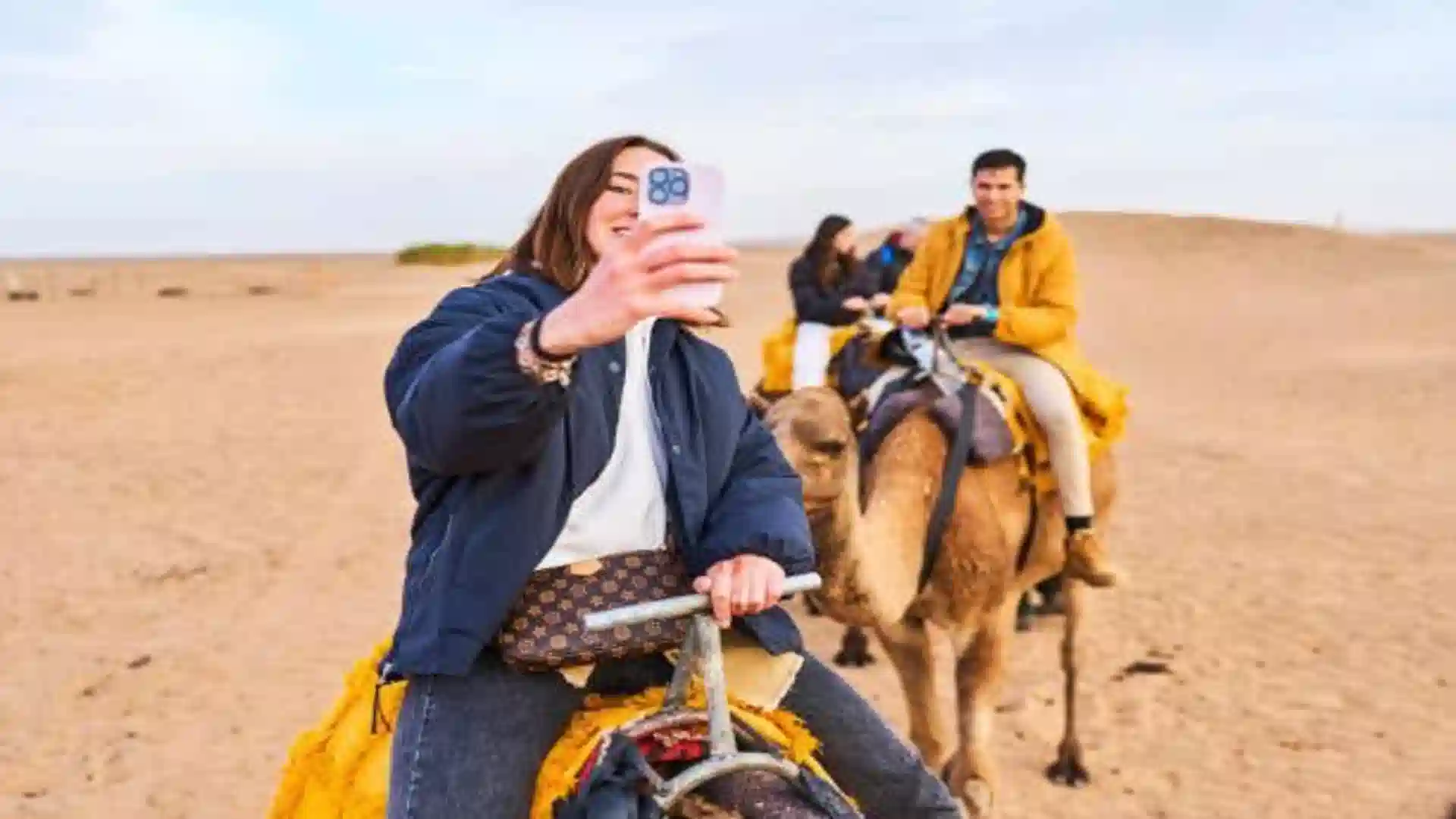
Extending south from the base of the medina walls, the wide golden sands of Plage d’Essaouira offer miles of open space. While cool water and breezy winds make it less suited for sunbathing, walking along the water’s edge, booking a sunset horse ride, or taking a camel trek along the dunes are staple Essaouira Morocco things to do for families and couples alike.
8. Attend the World-Famous Gnawa Music Festival
If you plan your trip for June, witnessing the Gnaoua World Music Festival is unmatched among things to do in Essaouira Morocco. This annual event brings hundreds of thousands of music fans together to celebrate spiritual Gnawa music (descended from enslaved sub-Saharan Africans), blending it with jazz, blues, reggae, and rock across open-air stages installed throughout the city.
Things to See in Essaouira: Key Historical & Cultural Landmarks
To help you organize your sightseeing map, here is a quick overview of the essential landmarks that should top your personal checklist of things to see in Essaouira:
| Landmark / Sight | Description & Cultural Significance | Visitor Tip |
|---|---|---|
| Skala de la Kasbah | 18th-century sea ramparts lined with historic Spanish brass cannons along the Atlantic edge. | Visit 45 minutes before sunset for the best lighting and photography. |
| Skala du Port | A defensive stone bastion tower standing right at the entrance of the fishing harbor. | Requires a small entrance fee (around 50 MAD) to climb to the top lookout platform. |
| Bab El Marse (Port Gate) | A majestic stone gate built in 1770 connecting the harbor directly to the main square. | Look closely at the classical carved inscriptions blending European and Islamic styles. |
| Place Moulay Hassan | The city’s grand open plaza lined with shade trees, outdoor café seating, and street performers. | The perfect central gathering spot to sit with a coffee and people-watch. |
| The Mellah (Old Jewish Quarter) | Historic neighborhood reflecting Essaouira’s rich Jewish history and heritage. | Visit the beautifully restored Saimon Attias Synagogue and museum space. |
| Sidi Mohamed Ben Abdallah Museum | A 19th-century pasha’s mansion turned local museum of ethnographic artifacts. | Great place to view ancient Berber jewelry, traditional musical instruments, and costumes. |
| Borj El Barmil | Massive round defensive artillery tower positioned at the southern corner of the ramparts. | Visible right as you walk toward the beach from the harbor area. |
Exploring Essaouira’s Rich History & Quaint Neighborhoods
To truly understand what to see in Essaouira Morocco, it helps to dive into the unique heritage that shapes its architecture. Originally known as Mogador (a name derived from the Phoenician word for “small stronghold”), the city has served as a trading post for Phoenicians, Romans, Portuguese occupiers, and French planners over two millennia.
In 1760, Sultan Sidi Mohamed ben Abdallah decided to build a modern port city to handle international commerce between West Africa, Morocco, and Europe. He renamed the town Essaouira, which translates literally to “The Well-Designed.” Because the Sultan hired a French military architect who was heavily influenced by the fortress architecture of St. Malo in France, Essaouira stands out as an intriguing hybrid of traditional Moroccan Islamic urban planning and 18th-century European military engineering.
The Kasbah District
Located in the western corner of the medina, the Kasbah is the oldest and most elegant quarter of the city. Originally built to house government officials, foreign diplomats, and wealthy merchants, its streets are wider and lined with grand stone doorways carved with decorative archways. Today, walking through the Kasbah is one of the top things to do in Essaouira if you are hunting for boutique riads, upscale restaurants, and high-end craft galleries.
The Mellah (Jewish Quarter)
In the 18th and 19th centuries, Jews comprised over forty percent of Essaouira’s total population, serving as the Sultan’s primary royal traders (Toujjar El-Sultan). The Mellah in the northern quarter of the medina preserves this unique legacy. While many buildings in this area underwent decades of wear due to sea air, recent urban restoration initiatives have brought new life to the area. Visiting the restored **Saimon Attias Synagogue** and learning about the city’s historic Jewish families provides incredible depth to your list of things to see in Essaouira.
The Chabanate Quarter
Situated along the eastern walls away from the main tourist thoroughly, the Chabanate district is where local artisans gather to weave thick wool carpets, tailor traditional djellabas, and process raw leather goods. If you are looking for authentic handicraft shopping without high retail markups, seeking out this local working quarter is one of the best kept secrets regarding what to do in Essaouira Morocco.
A Foodie’s Guide: What to Eat & Where to Drink in Essaouira
No travel guide regarding things to do in Essaouira Morocco would be complete without highlighting the city’s exceptional culinary scene. Driven by the daily ocean haul and regional argan oils, dining here is an absolute highlight.
1. The Outdoor Portside Seafood Grills
Right outside the port gates along Place Moulay Hassan, you will find rows of numbered blue wooden stalls displaying piles of fresh ocean catches on ice—sardines, sea bream, red mullet, jumbo prawns, squid, and lobster. You simply point at what you want, negotiate the price by weight, and sit at wooden picnic tables while the cooks grill everything over charcoal, serving it with warm bread, Moroccan tomato salad, and spicy harissa sauce.
2. Savoring Traditional Fish Tagine with Preserved Lemon
While meat tagines dominate inland cities like Marrakech or Fes, Essaouira is famous for its savory Tagine de Poisson (Fish Tagine). Fresh fish fillets are slow-cooked in a clay vessel with tomatoes, potatoes, bell peppers, carrots, olives, and a zesty garlic-herb marinade known as cherchouha. Pairing this dish with local sourdough bread is a must-try culinary activity when considering what to do in Essaouira.
3. Sampling Organic Argan Oil & Amlou
The region surrounding Essaouira is the natural heartland of the endemic Argan tree (Argania spinosa). Culinary argan oil—made from roasted argan kernels—has a rich, nutty flavor that elevated local dishes. Be sure to try Amlou, often referred to as “Moroccan Nutella.” It is a delicious spread made from roasted almonds, stone-ground argan oil, and pure wildflower honey, served alongside breakfast breads across local cafés.
Top Recommended Restaurants in Essaouira
- Le Coquillage: Great budget-friendly spot right near the port for fresh seafood plates.
- Silvestro: An authentic Italian eatery hidden inside the medina for when you want a break from tagines.
- La Table de Madada: Upscale dining housed inside a historic former French warehouse, specializing in refined seafood.
- Adwak: Cozy local restaurant offering some of the best traditional couscous and tagines in town.
- Caravane Café: An eclectic art-filled dining spot offering fusion dishes accompanied by fire-spinners and live music performance.
Day Trips: What to Do in Essaouira’s Surroundings
If you have more than a day or two in town, expanding your horizon beyond the city walls reveals an array of scenic rural destinations. Here are the top day trip ideas when deciding what to do in Essaouira Morocco:
- Women’s Argan Oil Cooperatives: The countryside surrounding Essaouira is dotted with UNESCO-protected argan forest groves. Visiting a legitimate women-run cooperative (such as Villa Maroc Argan or Marjana) lets you see the laborious process of cracking the hard nuts by hand using stones, cold-pressing the oil, and crafting pure cosmetic products. It supports fair women’s wages in rural Berber communities.
- Diabat & the Ruins of Dar Sultan: Located just 5 km south of Essaouira, the sleepy village of Diabat was a legendary hippie hangout in the late 1960s. Today, you can trek through sand dunes to see the windswept, sand-choked ruins of Dar Sultan—an 18th-century royal palace buried in the sand dunes that inspired Jimi Hendrix’s song “Castles Made of Sand.”
- Sidi Kaouki Beach: Located 25 km south along a coastal road, Sidi Kaouki is a chilled-out, rustic beach village centered around a white Marabout shrine overlooking the waves. It offers wilder beaches, great surf breaks, beachfront camel rides, and laid-back open-air cafes—a fantastic quiet escape from town.
- Val d’Argan Vineyard: Located 15 minutes inland near Ounagha, Val d’Argan is a unique vineyard founded by a French winemaker dedicated entirely to Rhone Valley grape varieties (Syrah, Grenache, Viognier). Taking a cellar tour and enjoying a relaxed wine-tasting lunch in the sun is a sophisticated addition to your list of things to do in Essaouira.
- Had Draa Sunday Market: If your trip lands on a Sunday morning, head inland to Had Draa. This is one of the largest authentic rural Berber markets in southern Morocco, complete with a bustling livestock auction (camels, cows, and donkeys), traditional barbers, and fresh produce stalls.
Essaouira What to Do: Suggested Itineraries By Duration
Depending on your overall Moroccan travel itinerary, here is how you should structure your time to ensure you hit all essential things to see in Essaouira without feeling rushed:
| Trip Duration | Recommended Activity Schedule |
|---|---|
| Day Trip from Marrakech (6–8 Hours in Town) | Focus purely on core highlights: Arrive at mid-morning, walk through the fishing port, enjoy a grilled seafood lunch at Place Moulay Hassan, walk the Skala de la Kasbah ramparts, and spend 2 hours shopping in the central medina souks before your return transfer. |
| 2 Days / 1 Night (The Sweet Spot) | Day 1: Port harbor, seafood lunch, ramparts walk, and sunset drinks on a medina rooftop. Day 2: Explore the Jewish Mellah, visit local art galleries, take a afternoon walk or horse ride along Plage d’Essaouira, and enjoy a traditional fish tagine dinner in a cozy riad. |
| 3 Days / 2+ Nights (Relaxed Coastal Retreat) | Days 1 & 2: Full exploration of city sights, photography, shopping, and dining. Day 3: Book a morning kitesurfing lesson or traditional hammam spa treatment, followed by an afternoon day trip to an argan oil cooperative and Sidi Kaouki beach. |
Planning a broader trip across North Africa? Check out our complete guide on what to do in Morocco and where to go to learn how to seamless connect Essaouira with Marrakech, the High Atlas Mountains, and the Sahara Desert.
Practical Visitor Tips for Essaouira
- Dress in Wind-Proof Layers: Due to the persistent Atlantic breeze, Essaouira is significantly cooler than Marrakech year-round. Even in peak summer months (July/August), daytime temperatures hover around 22°C–25°C (71°F–77°F), and evenings get chilly. Always pack a windbreaker or warm cardigan.
- Selecting Fresh Seafood at the Port: When dining at the portside fish grills, verify whether prices are calculated per fish or by total weight (per kilo) before agreeing to have them cook your selection to avoid miscommunication on the final bill.
- Medina Navigation is Easy: Unlike Fes or Marrakech, you do not need to hire a street guide to navigate Essaouira’s medina. The main thoroughfares (Avenue Istiqlal and Avenue Mohamed Zerktouni) run straight through town from east to west.
- Transportation Options from Marrakech: The most popular budget transport is the official state-run Supratours bus, which drops passengers right outside the main medina gates (Bab Sbaa). Alternatively, booking a private driver or organized day tour gives you flexibility to stop at argan tree groves (where goats climb trees!) along the route. For more details, consult our Getting Around Morocco guide.
- Protect Your Camera Gear: Fine blowing beach sand and salt spray from the crashing Atlantic sea walls can scratch camera lenses or damage sensitive electronics. Keep your phone or camera stored safely in a zip bag when walking the ramparts during high winds. Review our full Morocco packing list guide for gear recommendations.
Frequently Asked Questions About Things to Do in Essaouira
What is Essaouira best known for?
Essaouira is best known for its UNESCO World Heritage-listed 18th-century sea ramparts, historic working blue-boat fishing port, fresh grilled seafood stalls, bohemian art scene, and strong trade winds that make it a premier global destination for windsurfing and kitesurfing.
Is a day trip from Marrakech to Essaouira worth it?
Yes! Taking a day trip from Marrakech to Essaouira is very popular and highly rewarding. The drive takes about 2.5 to 3 hours each way, giving you 5 to 6 hours in town to walk the ramparts, tour the port, eat fresh seafood, and explore the souks. However, staying overnight is recommended if you prefer a slower, more relaxing pace.
How many days do you need in Essaouira?
1 to 2 days is ideal for covering all the major sights in town. If you want to take watersports lessons, enjoy relaxing beach days, or venture on day trips to Sidi Kaouki and regional argan cooperatives, plan to stay 3 full days.
Can you swim at the beach in Essaouira?
You can swim, but the Atlantic ocean water here remains quite cold year-round and strong winds can create large swells and currents. Most visitors use the beach for walks, camel rides, horse riding, kitesurfing, or lounging at beachfront cafés rather than swimming.
Is Essaouira safer or easier to visit than Marrakech?
Yes, Essaouira is widely regarded as one of Morocco’s most relaxed and safest cities for travelers. The medina is small, flat, laid out on a grid, and far less crowded. Shopkeepers and touts are significantly less pushy than those in Marrakech or Fes.
What movie or TV shows were filmed in Essaouira?
Most notably, the ramparts and sea walls of Essaouira stood in as the fictional slave city of Astapor in HBO’s hit series Game of Thrones (where Daenerys Targaryen acquires her Unsullied army). It was also the filming location for Orson Welles’ 1951 classic cinematic masterpiece Othello.
What is the best time of year to visit Essaouira?
Spring (April to June) and Autumn (September to November) offer warm, pleasant weather with manageable winds. Summer (July and August) is popular for escaping the scorching heat of Marrakech, though coastal trade winds are at their strongest during these months.
Related Morocco Travel Guides
- What to Do in Morocco: The Complete Guide to Where to Go & What to See
- Is Marrakech Worth Visiting? An Honest Travel Guide
- Cities in Morocco: The Complete Guide to Where to Go, City by City
- Getting Around Morocco: The Complete Transportation Guide
- Where to Stay in Morocco: Riad vs Hotel & Best Areas by City
- The Best Time to Visit Morocco: A Month-by-Month Guide
- The Complete Morocco Packing List for 2026
Ready to Experience Essaouira for Yourself?
From seamless day trips starting in Marrakech to multi-day coastal tour itineraries, our licensed local drivers and expert guides ensure you experience the absolute best of Essaouira without any logistical stress.
Explore our small-group and private day excursions to Essaouira, complete with comfortable air-conditioned vehicle transfers!