Is Morocco a Rich or a Poor Country? The Breathtaking Truth About its Wealth
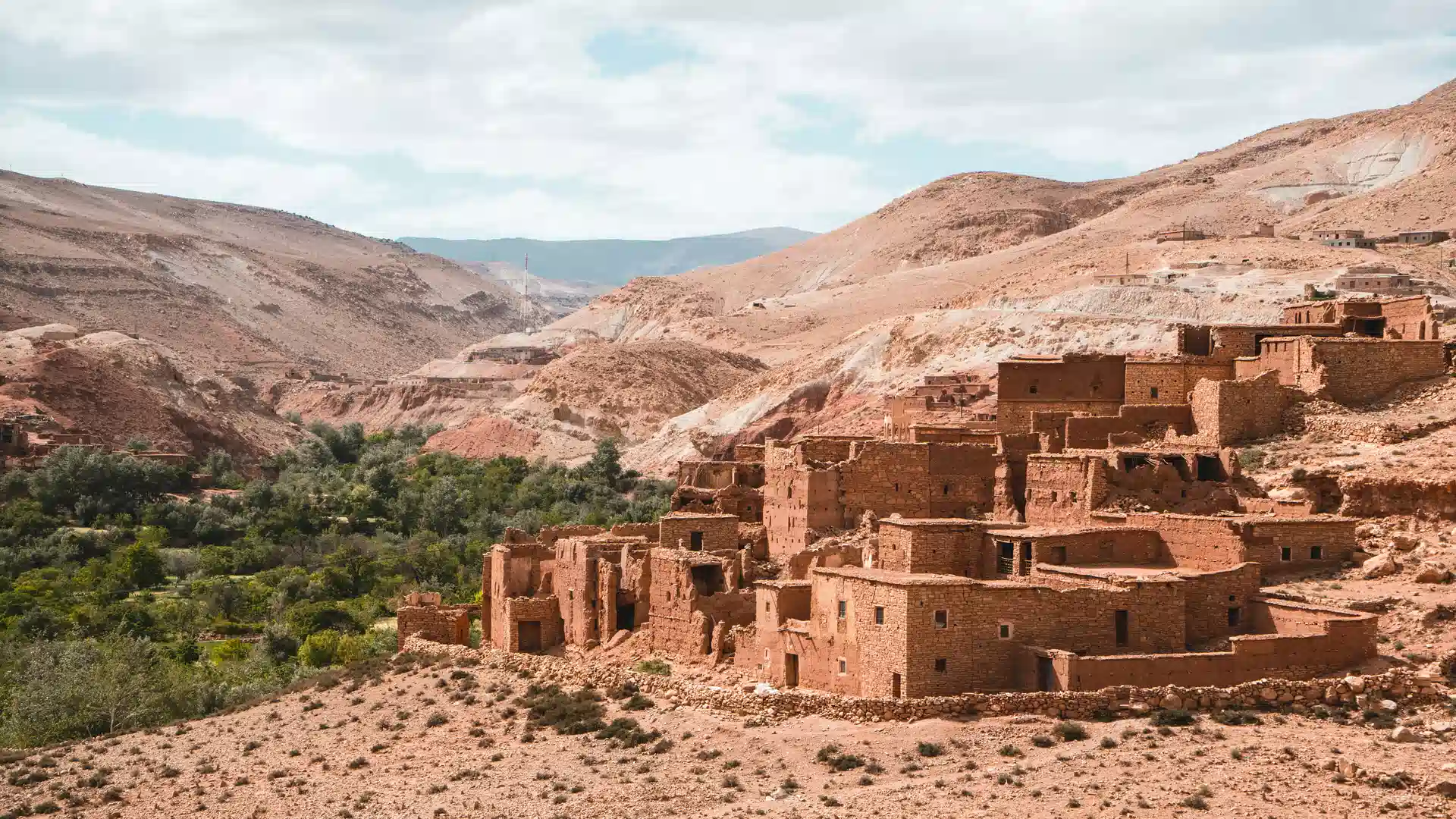
When you step off the plane in Casablanca, you are greeted by gleaming skyscrapers and a brand-new high-speed rail system. But just a few hours away, in the deep folds of the Atlas Mountains, you might see a shepherd tending his flock exactly as his ancestors did a thousand years ago. This contrast leads every traveler to ask: Is Morocco a rich or a poor country?
The answer is as layered as a traditional Moroccan pastry. Morocco is a nation that refuses to be defined by a single economic bracket. It is a “Middle-Income” country that is currently undergoing one of the most ambitious transformations in Africa. To understand the wealth of this Kingdom, we have to look beyond the bank accounts and into the heart of its industry, its culture, and its people.
Table of Contents
Quick Answer: The Reality of the Morocco Economy Today: Classification at a Glance
Before we dive into the practical budgeting details on the ground, here is how international financial institutions officially view Morocco’s economy using the most recent IMF and World Bank classifications.
Is Morocco a Rich or Poor Country?
Morocco is neither a wealthy nation by global standards nor among the world’s poorest — it’s accurately described as a developing, lower-middle-income country with a growing, diversified economy and meaningful internal inequality between its cities and rural regions. This middle position is exactly why a simple “rich” or “poor” binary doesn’t capture the real picture.
A few ways to understand where Morocco genuinely sits:
- Compared to wealthy nations (the US, Western Europe, the Gulf states): Morocco’s GDP per capita is significantly lower, and average household income reflects a more constrained economic reality for most citizens.
- Compared to the world’s poorest nations: Morocco is considerably more developed, with stronger infrastructure, a more diversified economy, and a lower poverty rate than countries facing extreme isolation or conflict.
- Compared to regional neighbors: Morocco performs competitively with countries like Tunisia and Egypt, and is generally considered one of the most stable, diversified markets in North Africa.
- Internally: There’s a real and visible gap between Morocco’s economically dynamic cities — Casablanca, Rabat, Marrakech, Tangier — and many rural regions, particularly in the Atlas Mountains and southern provinces, where infrastructure and income levels lag noticeably behind.
What Drives Morocco’s Economy?
To the casual observer, the infrastructure in the north might make you wonder, why is Morocco so wealthy? If you look at the big picture, Morocco’s wealth isn’t coming from oil—it’s coming from strategic vision, manufacturing dominance, and natural resources.
The economy is genuinely diversified rather than dependent on a single resource, which provides stable long-term resilience, International Monetary Fund (IMF) outlook data.
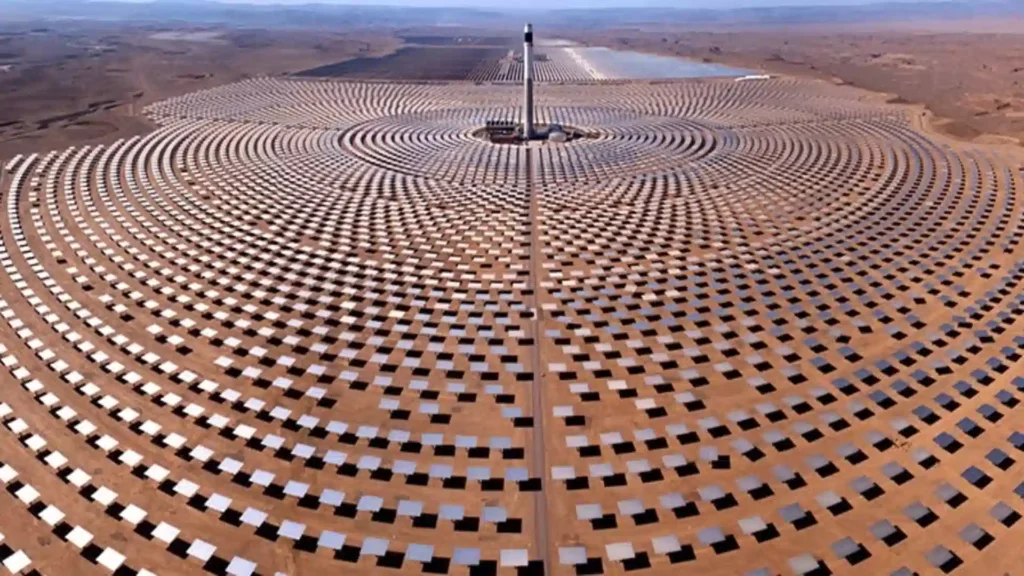
Leading Africa’s Green Transition The Noor Ouarzazate Solar Complex.
How Has Morocco’s Economy Changed Over Time?
Morocco’s economic trajectory has grown substantially since the mid-20th century, moving through distinct phases to build the modern infrastructure visitors experience today.
- 1960s–1970s: Rapid early growth following independence, including a major infrastructure push.
- 1980s–1990s: Structural economic reforms supported by the IMF and World Bank to scale back deficits and open the markets.
- 1990s–2010s: Gradual privatization, financial sector reform, and major trade agreements, with the Moroccan dirham becoming fully convertible for current account transactions.
- 2020s: Demonstrated immense economic resilience through pandemic-era disruption and regional challenges. Driven by manufacturing exports and record-breaking tourism revenue, the IMF forecasts Morocco’s growth to outpace many neighboring markets significantly.
Is it Safe for Americans to go to Morocco Right Now?
Safety is the first priority for any traveler. Specifically, is it safe for Americans to go to Morocco right now? The answer is a resounding yes. Morocco remains one of the most stable and pro-Western countries in the Middle East and North Africa (MENA) region.
The US State Department traditionally maintains Morocco at a “Level 1” or “Level 2” (Exercise Normal to Increased Caution), which is the same rating given to most Western European countries like France or the UK.
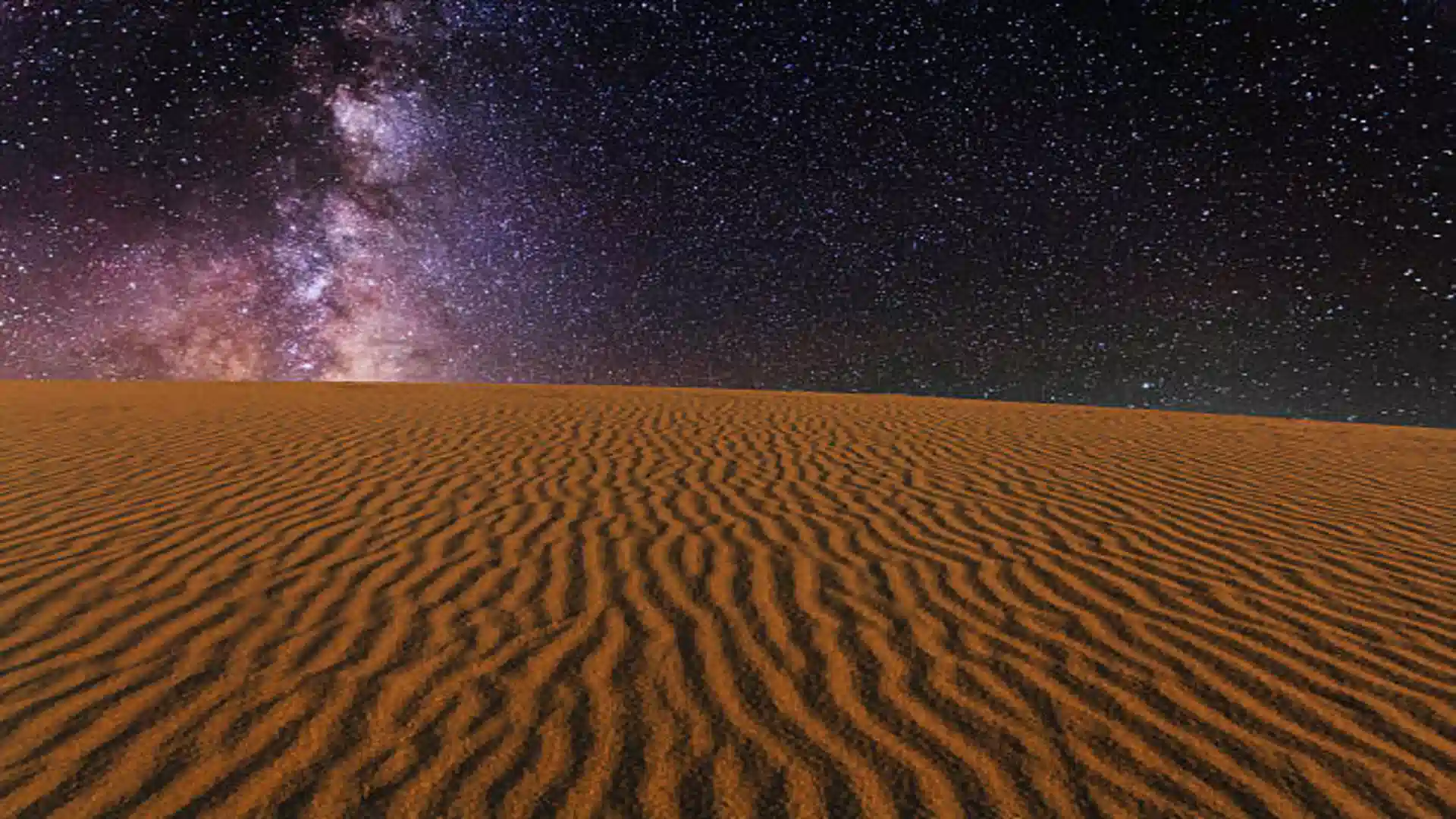
Plan your Morocco desert tours now: We organize tailor-made, professional journeys from Casablanca, Fes, and Marrakech straight to the stunning Sahara desert.
Why Americans feel welcome:
- Historic Ties: Morocco was the first country to recognize the independence of the United States in 1777. That 250-year-old friendship is still deeply felt on the streets today.
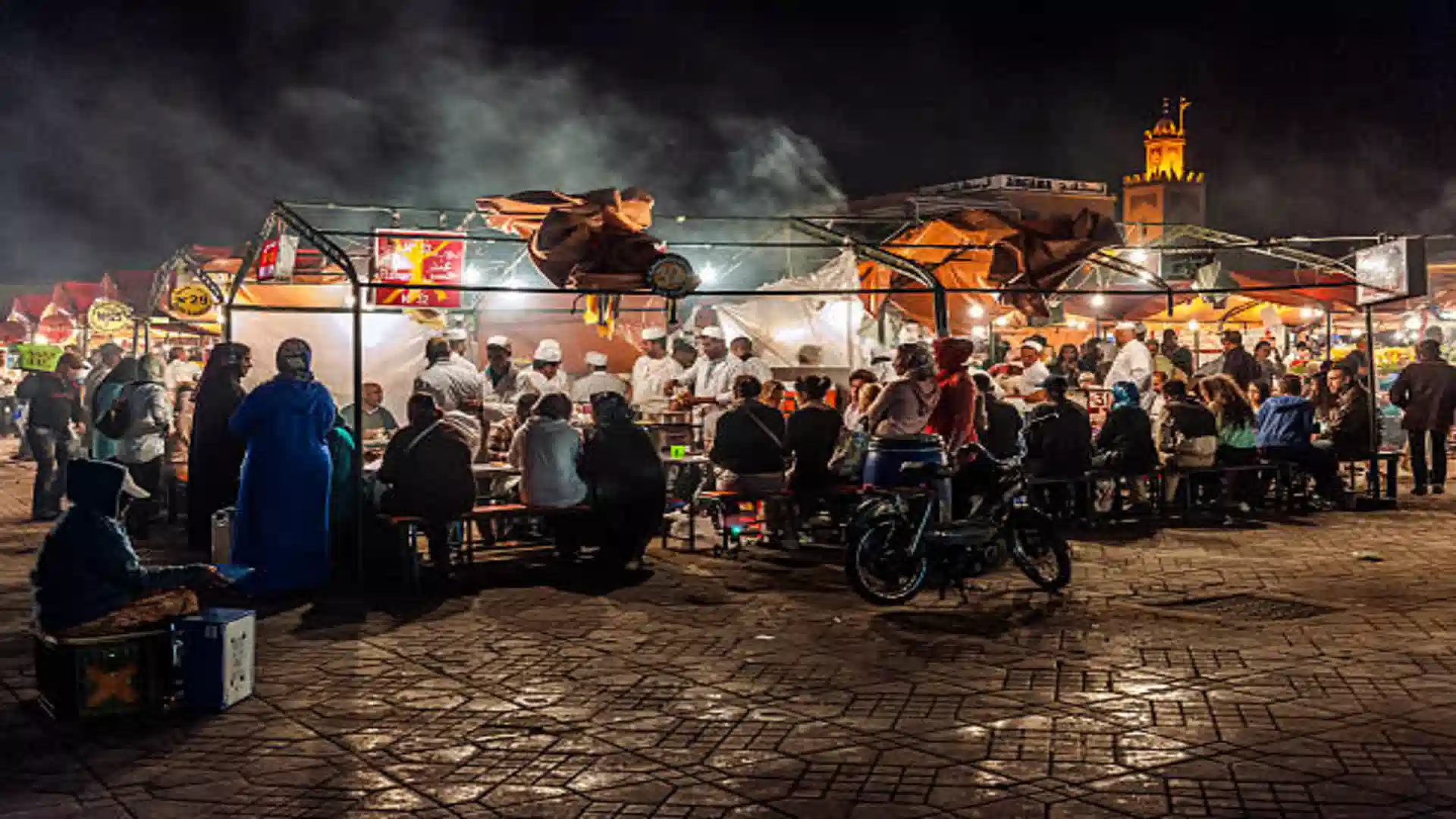
- Security Infrastructure: The Moroccan government invests heavily in tourism security. You will often see the dedicated “Brigade Touristique” (Tourist Police) in major squares like Jemaa el-Fnaa, ensuring that international guests feel entirely comfortable and unbothered.
What is the No. 1 Poorest Country?
To truly answer is Morocco a rich or a poor country, we need global context. While Morocco faces clear structural challenges with rural infrastructure and unemployment, it is nowhere near the bottom of the global economic scale.
When people ask, what is the no. 1 poorest country?, global data usually points to nations struggling with long-term internal conflict or extreme geographic isolation, such as Burundi or South Sudan, where the GDP per capita is often less than $300 per year. In contrast, Morocco’s nominal GDP per capita sits comfortably above $5,000, with a significantly higher purchasing power parity ($12,340). Morocco is a land of massive opportunity compared to the world’s most struggling economies.
Money Talk: Is 200$ a Lot in Morocco?
Budgeting is where the “rich vs. poor” question becomes highly practical for you. Is 200$ a lot in Morocco?
In the context of a single day, $200 (roughly 2,000 Moroccan Dirhams) is a luxury budget. With $200, you could easily:
- Stay in a high-end, stunning boutique Riad in the heart of the Medina.
- Enjoy a premier three-course dinner at a luxury rooftop restaurant overlooking the Koutoubia Mosque.
- Secure a private guided historical tour and a premium, traditional hammam spa treatment.
However, if you are looking at it from a weekly perspective, $200 is a very comfortable budget for a backpacker or a mid-range traveler, covering excellent local food, daily transit, and modest accommodation.
What about smaller amounts? Is 50$ a lot in Morocco?
To a local university student or a rural worker, $50 is a significant amount of money (roughly 500 Dirhams). In a local neighborhood, $50 can buy:
- About 25–30 traditional street food meals (like hot Harira soup and fresh bread).
- A week’s worth of fresh produce and groceries for a small family at a local rural souk.
- A comfortable train ticket across half the country on the standard rail lines.
For a tourist, $50 is a fantastic, solid “daily allowance” for excellent meals, souvenirs, and activities, assuming your accommodation is already booked.
Can Females Wear Shorts in Morocco?
This is one of the most searched questions for a reason. Can females wear shorts in Morocco? The human, practical answer is: You can, but you might not want to.
Morocco is a moderate Muslim country. While there is absolutely no law against wearing shorts, the local culture highly values modesty.
- In Modern Cities (Casablanca, Rabat, Marrakech): You will see plenty of locals and tourists in Western clothing. Shorts are completely acceptable around tourist areas, beach resorts, and high-end hotel pools.
- In Rural Areas and Ancient Medinas: Wearing short-shorts can draw unwanted, lingering attention. It is seen as a bit disrespectful in traditional, conservative neighborhoods.
Pro Tip: Most experienced female travelers opt for “linen chic”—loose-fitting trousers, maxi dresses, or light skirts that cover the knees. This keeps you perfectly cool in the Moroccan heat while earning you a high level of respect from the locals.
The Reality of Rural Poverty vs. Urban Wealth
While we’ve discussed why Morocco’s industries are thriving, it would be unfair to ignore the daily struggle. The financial wealth in Morocco is heavily concentrated in the economic “Golden Triangle” (Rabat, Casablanca, Tangier).
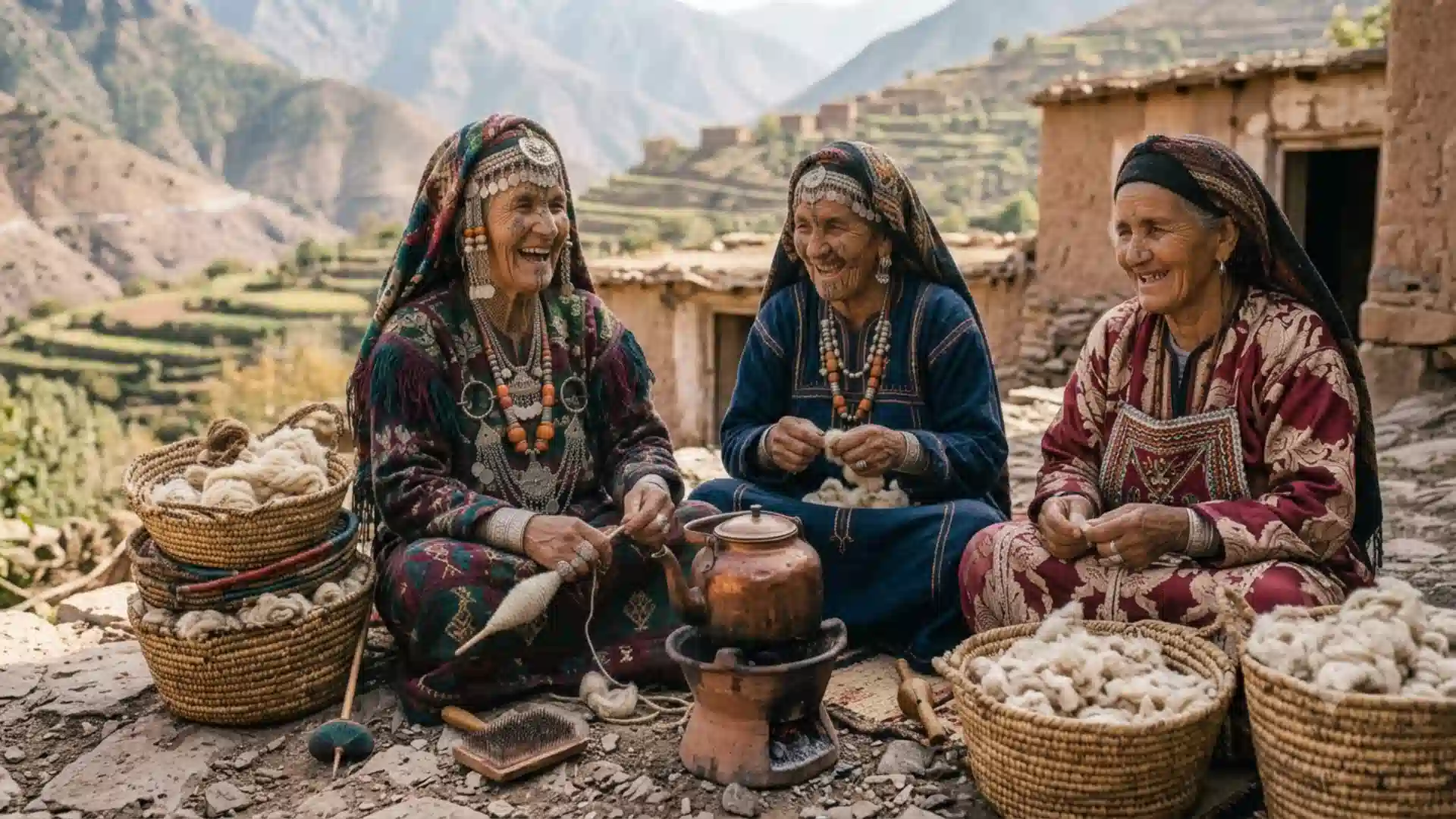
In the High Atlas or the deep desert regions, “wealth” is measured entirely differently. It is measured in livestock, arable land, and deep family connections. While these areas might look modest or “poor” by Western financial standards, the social safety net of the family and the community is incredibly powerful. No one goes hungry because the “Jama’a” (the local village community) naturally takes care of its own.
How Does Tourism Specifically Shape Morocco’s Economic Story?
Tourism plays an outsized role in Morocco’s economy, contributing significantly to both direct GDP and broad employment across hospitality, private transport, artisan crafts, and food services.
When managing logistics on the ground for our own tours, this economic connection is tangible and immediate — every single booking supports a real chain of local employment stretching from a Marrakech-based driver to a local Berber family running a traditional desert camp near Merzouga, illustrating exactly how tourism functions as a meaningful economic engine.
Unlike heavy manufacturing which stays centralized in industrial ports, tourism income reaches rural and desert communities directly, providing vital financial stability to the beautiful regions that guidebooks love to feature.
Frequently Asked Questions About Morocco a rich or a poor country
Is Morocco poorer than other countries around?
Not really – Morocco’s economic indicators are broadly similar to Tunisia and Egypt, although it lags behind oil-rich Algeria in raw GDP per capita due to its lack of significant hydrocarbon reserves.
What is it that makes Morocco seem more developed than its GDP figures to many travelers?
Infrastructure, services and quality of life in major cities and tourist areas can seem more developed in person than raw GDP-per-capita comparisons to wealthier nations might initially suggest. Morocco’s relatively low cost of living.
Is Morocco a Third World country?
By modern economic standards, the term “third-world” is an artifact of Cold War geopolitical alignment, not any real economic measurement, and thus is both inaccurate and outdated. Morocco is better characterized in current World Bank terminology as a lower-middle-income developing country.
Does Morocco export oil as much as some of the neighbouring countries?
No. Morocco is not a major oil/gas producer, its economy is based on a diversified mix of phosphates, manufacturing (particularly automotive), agriculture and tourism.
Can tourists visiting Morocco see poverty?
There is a visible economic contrast, particularly between modern city districts and more rural areas along mountain and desert routes. Nevertheless, the overall national poverty rate in Morocco (about 4.9 percent) is lower than many developing nations.
Is the economy of Morocco growing or shrinking?
Expansion — Real GDP growth is expected to average 3–4% over 2023–2025, supported by a rebound in tourism, growth in manufacturing exports, and significant investments in infrastructure and renewable energy.
How does tourism contribute to Morocco’s economy?
Tourism is a major and increasing contributor to GDP and employment, with Morocco expecting to receive close to 20 million visitors in 2025, making it one of Africa’s leading tourism destinations and a major contributor to both direct and indirect economic activity.
Is Morocco a member of the African Union or any other regional economic group?
Yes – Morocco is a member of the African Union and has sought deeper economic integration throughout African trade networks in recent years as well as long-held trade ties to the European Union, its largest trading partner.
How has Morocco’s currency performed compared to other developing countries?
The Moroccan dirham has been more stable than currencies in a number of comparable developing economies, largely because of its managed exchange rate system and the country’s broader macroeconomic stability over the past decade.
Does Morocco receive a lot of foreign assistance or does it depend on foreign investment?
Over the past few decades Morocco’s growth model has relied more on attracting foreign direct investment – especially in automotive manufacturing and renewable energy – than on foreign aid, in line with its broader strategy to build a diversified, investment-led economy.
Final Takeaway: A Country of “Rich” Potential
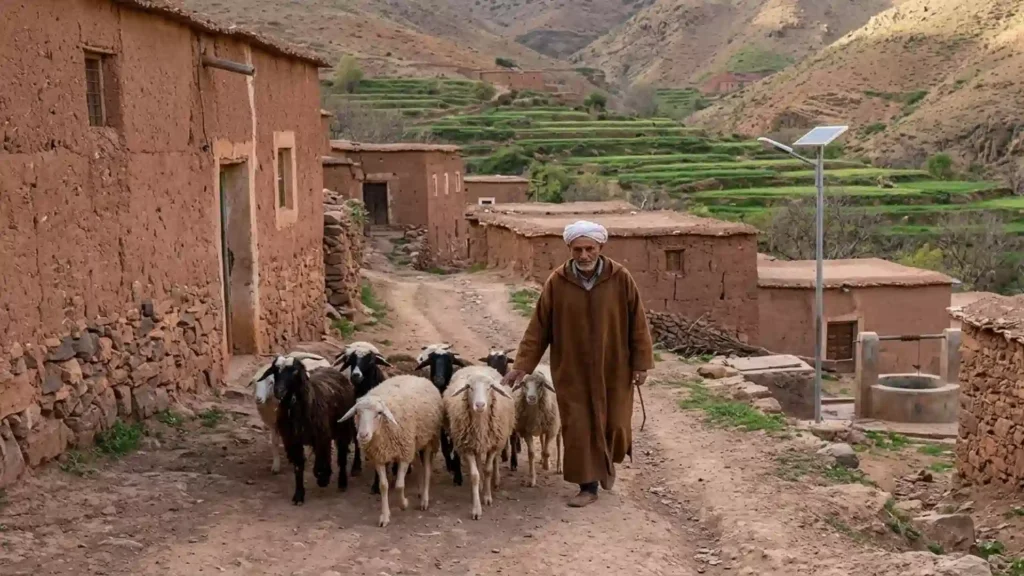
So, is Morocco a rich or a poor country? It is a country that is rich in resources, rich in history, and rich in ambition, even while it actively works to lift its rural populations out of poverty. It is a unique place where you can spend $5 or $500 in a single day and have an equally authentic, breathtaking experience.
A country’s raw economic chart says very little about the generations of artisan skill behind a hand-knotted Berber rug, the warmth of a host pouring fresh mint tea on a desert evening, or the quiet pride visible in a family-run riad.
For anyone planning a trip, the practical takeaway is straightforward: Morocco’s developing-economy status translates into incredible value for travelers—a destination where your money goes significantly further than in Europe, while still delivering world-class hospitality, magnificent infrastructure, and an extraordinarily rich cultural journey.
Expand Your Journey: Recommended Reading
Planning a trip to Morocco involves more than just understanding the local economy. To help you fully prepare for the cultural, logistical, and culinary adventures ahead, explore our latest 2026 and 2027 insider guides:
- Morocco Visa Requirements 2026: Do You Need a Visa? A complete breakdown by nationality to ensure a smooth entry before you book your flights.
- Visiting Morocco During Ramadan: The Complete Traveler’s Guide (2027 Dates & Tips) Essential cultural etiquette, timing modifications, and tips for experiencing the magic of the holy month on the ground.
- Traveling During Eid al-Adha 2026: What’s Open & How to Plan How to navigate holiday closures, transport schedules, and unique festival highlights during one of Morocco’s biggest celebrations.
- Moroccan Food Guide: 20+ Traditional Dishes You Must Try From street-side harira soup to festive lamb tagines, discover what to eat and how much it costs to dine like a local.
Ready to experience the richness of Morocco for yourself? Whether you are traveling on a modest budget or planning a luxury desert safari, our local team is ready to welcome you. Contact Over Morocco Tours today to customize your 2026/2027 itinerary!